
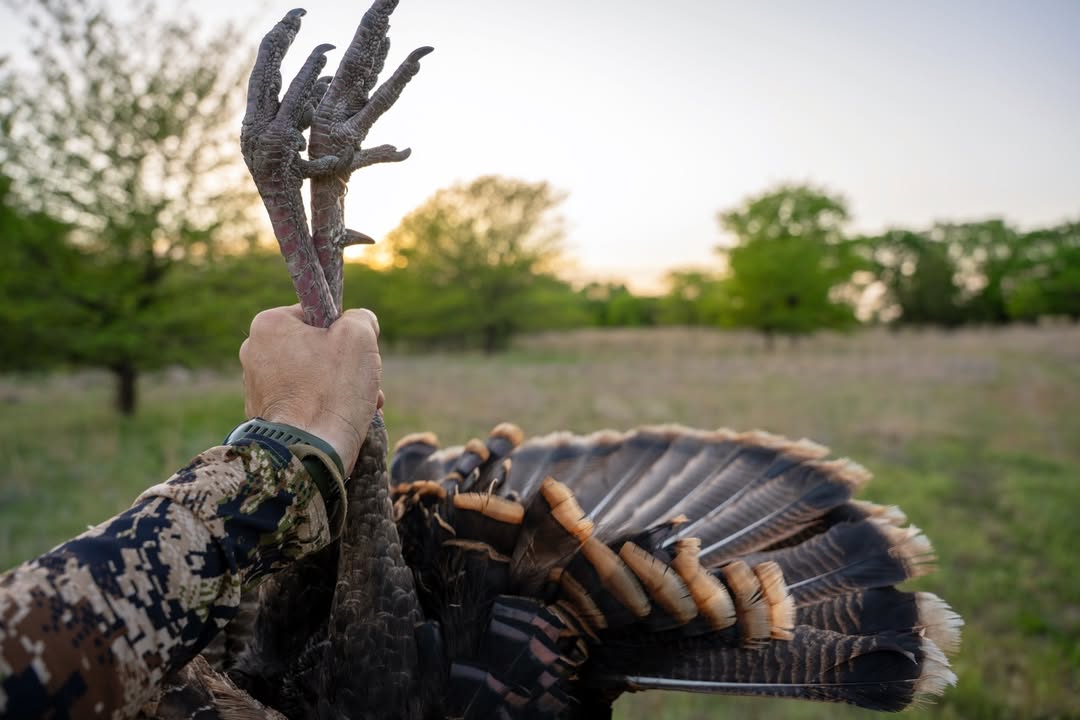
Summer hunting in the United States often feels unpredictable and slow. Long daylight hours, thick vegetation, high temperatures, and heavy hunting pressure combine to compress animal movement into short, inconsistent windows. Many hunters describe this period as “dead time,” but in reality, game is still active—it’s just far more selective about when and where it moves.
The key to success is not chasing random sightings. It’s building a repeatable summer hunting strategy that works even when overall movement is low. Once you understand the patterns behind heat-driven behavior, you can turn quiet days into consistently productive hunts.
Understanding Low-Movement Summer Conditions
Before building a strategy, you need to understand what changes in summer.
1. Heat Compresses Activity Windows
As temperatures rise:
- Animals avoid midday movement
- Activity is pushed into early morning and late evening
- Feeding and travel windows become short and precise
Instead of moving throughout the day, game animals operate in tight timing blocks.
2. Thick Vegetation Changes Visibility and Behavior
By early summer:
- Forests and fields become fully leafed out
- Sightlines shrink dramatically
- Animals rely more on cover than distance
This leads to:
- More hidden movement
- Less predictable visual sightings
- Heavier use of interior cover zones
3. Pressure Pushes Game Into Stable Patterns
Hunting pressure creates:
- Reduced daylight exposure
- More cautious travel routes
- Increased use of consistent bedding zones
Over time, movement becomes structured, not random.
Step 1: Focus on Core Areas, Not Wide Coverage
In low-movement conditions, covering more ground does not improve success.
Instead, focus on:
- Bedding areas
- Water access points
- Transition zones between cover types
These are the locations where movement must occur, even when activity is low.
Step 2: Build Around Predictable Timing Windows
Summer hunting success depends heavily on timing.
Primary movement windows:
- First light (returning to bedding)
- Last light (feeding movement)
- Occasional weather-triggered shifts
Strategy:
- Be set before movement begins
- Stay locked in during peak windows
- Avoid unnecessary movement during inactive periods
Key Insight: Success comes from being present when movement happens—not searching for it after it starts.
Step 3: Learn to Hunt “Micro-Movement Zones”
In summer, animals rarely travel far.
Instead, they operate within:
- 50–200 yard core zones
- Small bedding-to-water circuits
- Tight feeding loops
What this means for hunters:
- You don’t need large setups
- You need precise positioning inside those zones
- Small adjustments matter more than big relocations
Step 4: Prioritize Water-Centered Movement
When heat increases, water becomes a dominant factor in movement patterns.
Game animals:
- Visit water more frequently
- Travel predictable paths between bedding and water
- Reduce exposure time while moving
Strategy:
- Identify all water sources in your area
- Locate nearby bedding cover
- Focus on pinch points between the two
Step 5: Use Shade and Thermals to Predict Travel
In summer, shade is not just comfort—it’s structure.
Animals consistently use:
- Shadow lines along ridges
- Creek bottoms with canopy cover
- North-facing slopes for cooler travel
At the same time, thermals influence:
- Movement direction in the morning vs evening
- Entry and exit routes from bedding areas
Key Insight: Shade and air movement often matter more than terrain shape alone.
Step 6: Stay Longer in Fewer Places
A repeatable strategy requires discipline.
Instead of rotating spots constantly:
- Commit to fewer locations
- Hunt them multiple times
- Observe timing consistency
Low-movement conditions reward persistence, not exploration.
Step 7: Reduce Disturbance to Maintain Repeatability
If your goal is consistency, disturbance control is critical.
Avoid:
- Over-checking locations
- Entering too early or too late
- Excessive movement inside core zones
Even small disruptions can shift movement patterns entirely.
Step 8: Track Patterns, Not Just Sightings
Summer hunting success is pattern-based.
You should record:
- Time of first movement
- Direction of travel
- Weather conditions
- Temperature shifts
- Wind changes
Over time, these details reveal repeatable behavior cycles.
Step 9: Adapt to “Invisible Movement”
In thick summer cover, you may not see animals directly.
Instead, look for:
- Subtle vegetation movement
- Sound cues in bedding areas
- Fresh tracks in shaded zones
- Slight pattern shifts in travel corridors
Key Insight: Absence of sightings does not mean absence of movement.
Step 10: Commit to a System, Not a Single Hunt
The biggest mistake hunters make in summer is treating each outing as isolated.
A repeatable strategy is built over time:
- Same areas
- Similar timing
- Consistent observation
- Gradual pattern refinement
Success comes from system-building, not one-off results.
Common Mistakes in Low-Movement Hunting
1. Moving too often between locations
This breaks pattern recognition.
2. Hunting all day without timing focus
Most activity is concentrated into short windows.
3. Ignoring micro-zones
Big movement is rare in summer conditions.
4. Overreacting to one slow day
Summer hunting requires longer observation cycles.
Final Thoughts
Building a repeatable summer hunting strategy is not about finding more animals—it’s about understanding how limited movement becomes predictable under heat, pressure, and seasonal cover changes.
When conditions slow down, the most successful hunters do not increase effort randomly. Instead, they refine focus, tighten their setup, and commit to reading small but consistent patterns.
Because in low-movement summer conditions, consistency doesn’t come from luck—
it comes from strategy.
