
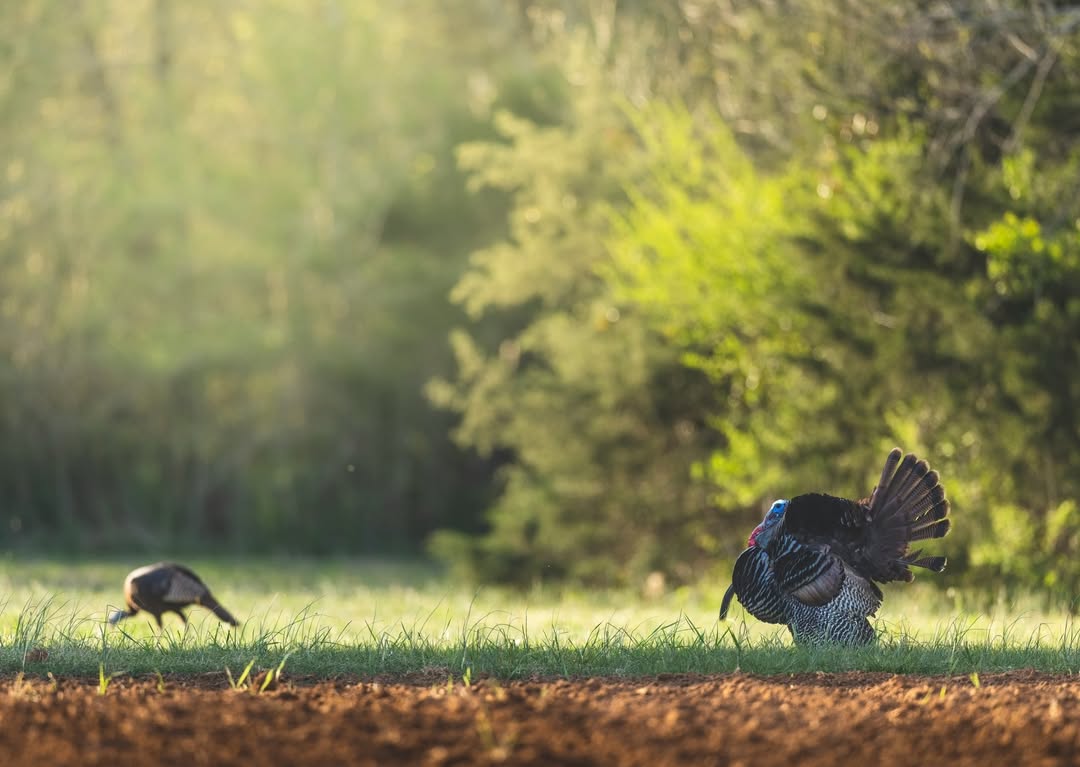
As early summer transitions toward peak heat across much of the United States, hunters often face one of the most frustrating realities of the season: huntable opportunities seem to disappear. You spend hours in the field with little to no movement, fewer sightings, and inconsistent patterns.
This isn’t random. It’s the result of two powerful forces working together—rising temperatures and increasing pressure. When combined, they dramatically reshape animal behavior, compress movement windows, and reduce your margin for error.
Understanding how these factors interact—and how to adapt—can turn a slow season into a strategic advantage.
What Do “Pressure” and “Heat” Really Mean?
Hunting Pressure
Pressure includes any human-related disturbance:
- Increased scouting activity
- Frequent entry and exit routes
- Noise, scent, and ground disturbance
- Other hunters in the area
Even outside of open seasons, human presence affects wildlife behavior.
Environmental Heat
Heat isn’t just about air temperature:
- High daytime temperatures
- Warm overnight conditions
- Humidity levels
- Lack of wind or airflow
These factors combine to create stressful conditions for game animals.
Key Insight: Pressure changes where animals feel safe. Heat changes when and how they move.
How Heat Alone Affects Game Movement
1. Reduced Daytime Activity
As temperatures rise:
- Animals avoid moving during midday
- Activity shifts to early morning and late evening
- Movement duration becomes shorter
2. Increased Need for Cover and Water
Animals prioritize:
- Thick, shaded bedding areas
- Cooler microclimates
- Nearby water sources
3. Energy Conservation
Heat forces animals to:
- Limit unnecessary movement
- Stay within smaller home ranges
- Travel shorter distances between resources
How Pressure Alone Affects Game Behavior
1. Shift Toward Safer Areas
Animals respond to pressure by:
- Moving into thicker cover
- Avoiding open terrain
- Using less obvious travel routes
2. Increased Nocturnal Movement
- Daytime movement decreases
- Feeding shifts to nighttime hours
- Daylight sightings become rare
3. Heightened Awareness
Animals become:
- More sensitive to scent
- More reactive to noise
- Less predictable in exposed areas
What Happens When Heat and Pressure Combine
This is where conditions become most challenging.
1. Movement Windows Shrink Dramatically
Instead of moving for hours, animals may only move:
- 30–90 minutes at dawn
- Briefly at dusk
Sometimes even less.
2. Movement Becomes Extremely Localized
Animals stop traveling long distances and instead:
- Stay within tight core areas
- Rotate between bedding, water, and nearby food
- Avoid crossing open ground
3. Visibility Drops—Even When Animals Are Nearby
You may be close to animals but:
- They stay hidden in dense cover
- Movement happens just out of sight
- Trails become harder to detect
4. Mistakes Are Punished More Quickly
With limited opportunities:
- One wrong move can end your chances for the day
- Scent or noise has a bigger impact
- Recovery time from disturbance is longer
How to Adapt and Find Huntable Opportunities
1. Focus on Micro-Locations
Instead of large areas, narrow your focus to:
- Small bedding zones
- Short travel corridors
- Water access points within cover
Key Strategy: Think smaller and more precise.
2. Hunt the First and Last Light Aggressively
Your best opportunities occur during:
- First legal light (morning return to bedding)
- Last light (evening movement out of cover)
Timing is critical—being late means missing the window entirely.
3. Get Closer Without Over-Penetrating
Because movement is limited:
- You need to be closer to core areas
- But not so close that you disturb them
Balance is key:
- Stay just outside bedding zones
- Use terrain and cover to stay hidden
4. Prioritize Water + Cover Combinations
Water alone is not enough under pressure.
Look for:
- Water sources inside or near thick cover
- Shaded approach routes
- Limited-access water points
These areas reduce exposure and increase predictability.
5. Control Entry and Exit Routes
Pressure often comes from poor access strategy.
Best practices:
- Enter quietly and early
- Avoid crossing major travel routes
- Exit without pushing animals out of the area
6. Slow Down and Stay Patient
When opportunities shrink:
- Movement becomes rare but meaningful
- Constant repositioning hurts more than it helps
Strategy shift:
- Sit longer
- Trust your setup
- Let the movement come to you
Common Mistakes Hunters Make
1. Hunting too aggressively
More movement creates more pressure.
2. Ignoring wind and scent control
In tight areas, scent spreads easily.
3. Staying in high-pressure zones
Animals adapt faster than hunters expect.
4. Expecting spring-like movement patterns
Summer behavior is completely different.
Advanced Strategy: Target “Low-Pressure Pockets”
Even in heavily pressured areas, small zones exist where:
- Human activity is minimal
- Access is difficult
- Terrain or cover discourages entry
These pockets often hold:
- More relaxed animals
- Slightly more daylight movement
- Higher-quality opportunities
Real-World Example
Instead of hunting a large, open feeding area:
- Identify a bedding area in thick cover
- Locate a nearby water source
- Find the short trail connecting them
Set up:
- Downwind
- Close to the route
- Before first light
You may only get one opportunity—but it’s a high-quality one.
Final Thoughts
When pressure and heat combine, hunting becomes less about covering ground and more about precision. Movement is limited, visibility is reduced, and mistakes are amplified. But at the same time, patterns become tighter and more predictable for those who know where to look.
Hunters who adapt to these conditions stop chasing random activity and start focusing on the few moments and places that truly matter.
Because in early summer hunting, success isn’t about finding more opportunities—
it’s about making the most of the few that remain.
