
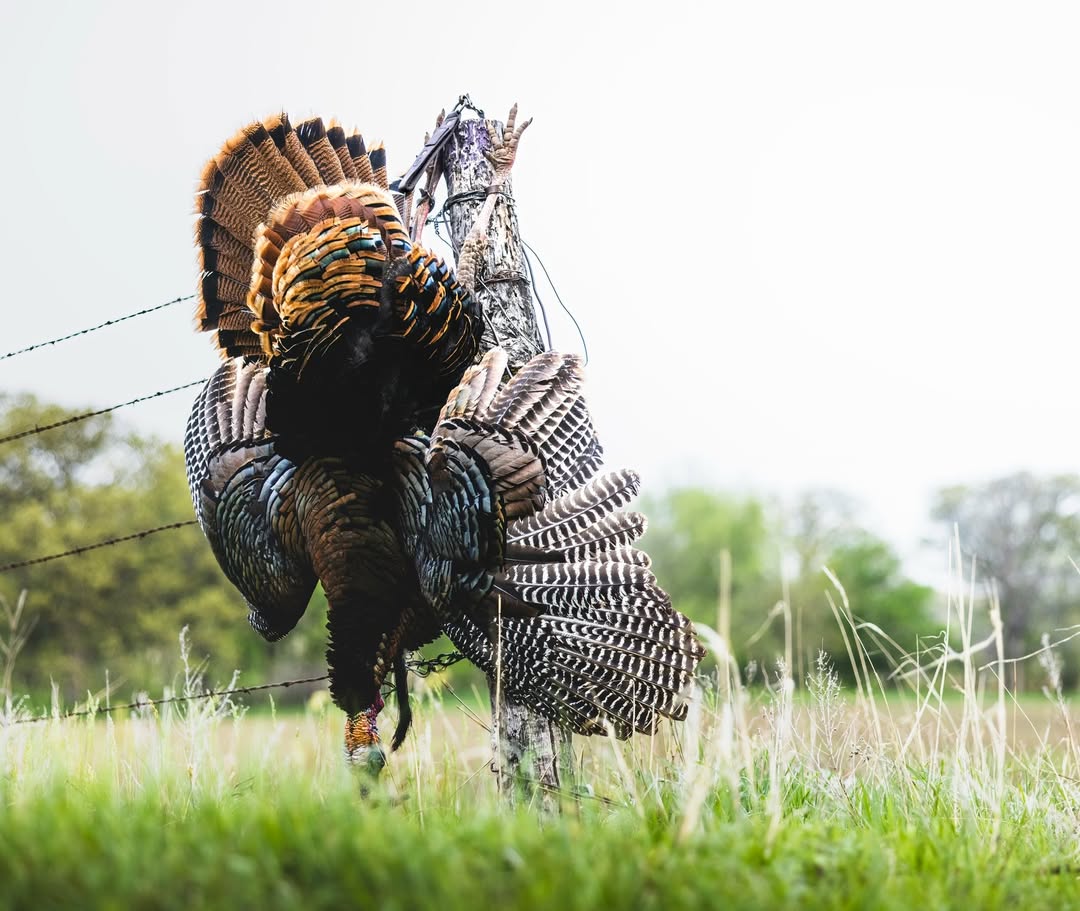
By the time the hunting season is in full swing, many birds—especially wild turkeys—have already encountered hunters, calls, and decoys. These “pressured birds” are no longer naïve. They’ve adapted, become cautious, and often change their daily routines. For many hunters, this is where success drops off.
But for those who understand how pressure changes behavior, this phase of the season can actually create predictable opportunities. Hunting pressured birds isn’t about doing more—it’s about doing things differently.
What “Pressured Birds” Really Means
A pressured bird is one that has:
- Heard multiple calling sequences
- Encountered decoys or hunters
- Been spooked from setups
- Adjusted its movement to avoid danger
These birds don’t stop moving—they just become smarter and more selective. They may gobble less, avoid open areas, and respond differently to traditional tactics.
How Pressure Changes Bird Behavior
Understanding behavior shifts is the foundation of success.
1. Reduced Vocalization
Pressured gobblers often stop responding to aggressive calling. They may still gobble on the roost but go silent once they hit the ground.
2. Increased Use of Cover
Birds start favoring thicker terrain, shadowed ridges, and less accessible areas where hunter presence is minimal.
3. Altered Travel Patterns
Instead of following obvious routes, pressured birds shift to secondary travel corridors—edges, low spots, or terrain features that provide security.
4. Delayed Movement
They may avoid early morning activity and instead move later in the day when hunting pressure drops.
Strategy #1: Hunt Where Others Won’t
The biggest mistake hunters make is staying in high-pressure zones.
To find less-pressured birds:
- Walk farther than the average hunter
- Target overlooked terrain like steep ridges, thick bottoms, or small pockets of timber
- Focus on areas without easy access points
Pressure creates opportunity—but only if you’re willing to leave the obvious spots behind.
Strategy #2: Call Less—and Smarter
When birds are pressured, less calling is almost always more effective.
- Use soft yelps, clucks, and purrs instead of aggressive sequences
- Call less frequently—let silence work in your favor
- Mimic natural hen behavior rather than trying to force a response
Often, pressured birds will approach quietly. If you’re expecting a gobble every time, you’ll miss them.
Strategy #3: Set Up for Movement, Not Reaction
Instead of trying to call birds in from a distance, focus on intercepting natural movement.
- Identify travel corridors between roosting and feeding areas
- Set up along terrain funnels, logging roads, or subtle ridgelines
- Stay patient and let the bird come to you
This approach turns the hunt from reactive to strategic.
Strategy #4: Adjust Your Timing
Most hunters focus heavily on the first few hours after sunrise. Pressured birds know this.
Try hunting:
- Mid-morning to early afternoon when pressure drops
- Late morning feeding transitions
- Quiet midday movement windows
These timeframes often produce encounters with birds that avoided the morning rush.
Strategy #5: Rethink Decoy Use
Decoys can help—or hurt—when birds are pressured.
- In heavily hunted areas, birds may associate decoys with danger
- Consider hunting without decoys or using a single, subtle setup
- If using decoys, place them in natural positions—not overly exposed
Sometimes, removing decoys entirely creates a more natural and less threatening setup.
Strategy #6: Focus on Stealth and Positioning
Pressured birds rely heavily on sight and sound to avoid danger.
- Move slowly and quietly when setting up
- Use terrain and shadows to stay concealed
- Always position yourself with the wind and visibility in mind
One mistake—like a noisy approach or poor positioning—can push a pressured bird out of the area completely.
Why Hunting Pressured Birds Can Make You Better
While challenging, hunting pressured birds sharpens every aspect of your skillset:
- You become better at reading terrain and sign
- You learn patience and discipline
- You rely less on luck and more on strategy
In many ways, these birds teach you more than easy early-season encounters ever could.
Final Thoughts
Hunting birds that have already been pressured this season isn’t about harder effort—it’s about smarter decisions. By understanding how pressure changes behavior and adapting your tactics accordingly, you can consistently find success even when others struggle.
The key takeaway is simple:
When birds get pressured, the hunters who adapt are the ones who keep filling tags.
