
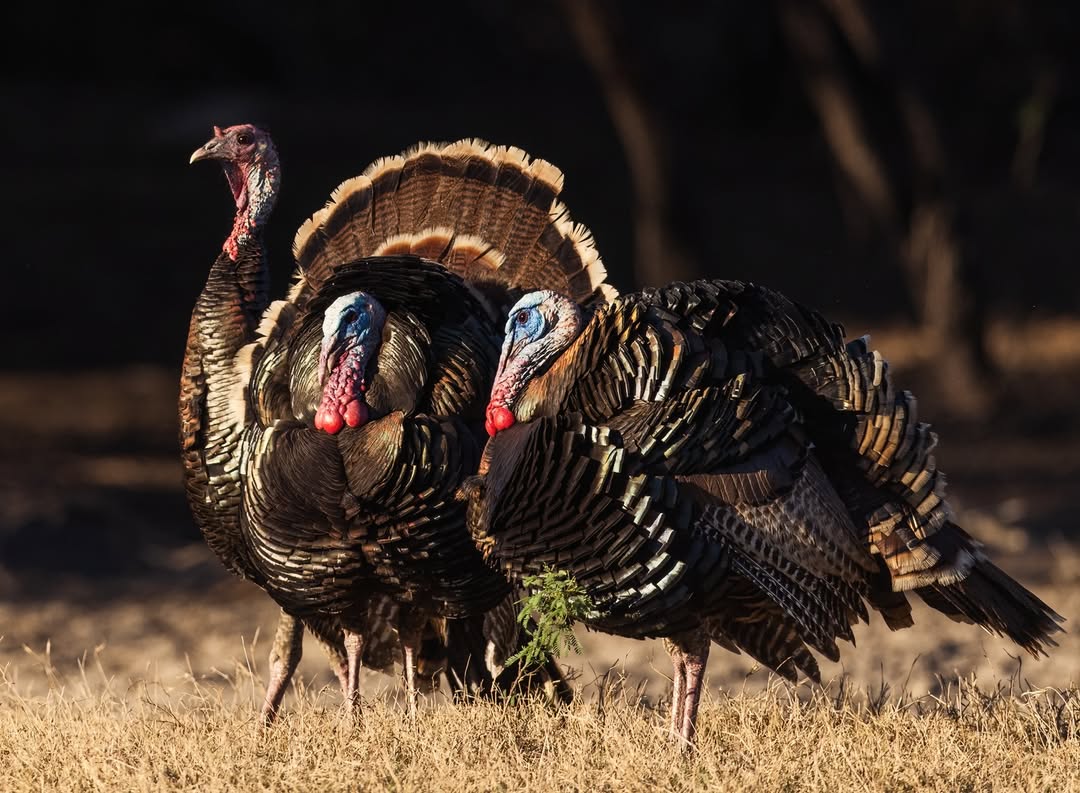
If you’ve hunted turkeys long enough, you’ve seen it happen.
One day, birds are predictable—roosting in the same trees, traveling the same routes, responding the same way. The next day, everything changes. They go quiet, shift locations, or move at completely different times.
Most hunters assume the birds are gone.
They’re not gone—they’ve just adjusted.
The key to consistent success isn’t finding birds once. It’s staying on them even when their daily patterns change. And that requires a different mindset, better observation, and more flexible tactics.
Why Turkey Patterns Change So Quickly
Turkeys are highly responsive to their environment. Even small changes can shift their behavior overnight.
1. Hunting Pressure
After just a few encounters with hunters:
- Gobblers become less vocal
- Travel routes tighten
- Movement becomes more cautious
They don’t leave the area—they just become harder to detect.
2. Hen Behavior
Hens control much of a gobbler’s movement.
- When hens are active → gobblers stay with them
- When hens go to nest → gobblers begin roaming
This creates daily variation in where and when birds move.
3. Weather Shifts
Changes in:
- Temperature
- Wind
- Rain
Can alter:
- Roost locations
- Feeding areas
- Travel timing
4. Food Availability
As spring progresses:
- New green growth appears
- Insect activity increases
Turkeys shift to follow these food sources, often subtly.
The Biggest Mistake Hunters Make
When birds change patterns, most hunters do one of two things:
- Keep hunting the same setup, hoping it works again
- Leave the area entirely
Both approaches fail because they assume the birds are either predictable or gone.
The real solution is to adapt as quickly as the birds do.
How to Stay on Birds When Patterns Shift
1. Focus on Core Areas, Not Exact Locations
Turkeys rarely abandon their home range.
Instead of focusing on:
- One roost tree
- One field edge
Focus on:
- Entire ridges
- Drainages
- Habitat zones
Birds move within areas—not away from them.
2. Pay Attention to Movement Direction
Even when timing changes, direction often doesn’t.
Watch for:
- Entry and exit routes
- Consistent travel corridors
- Terrain features birds prefer
Once you identify direction:
You can intercept birds instead of chasing them.
3. Adjust Your Timing
If your morning hunts go quiet, don’t assume the birds disappeared.
Try:
- Staying later into mid-morning
- Hunting midday movement
- Observing afternoon patterns
Many hunters miss birds simply because they’re hunting the wrong time window.
4. Read Fresh Sign Daily
When birds stop talking, sign becomes critical.
Look for:
- Fresh tracks
- Droppings
- Scratchings
- Feather drag marks
These tell you:
- Where birds were recently
- How they’re using the area now
Sign doesn’t lie—even when birds do.
5. Reduce Pressure on Your Spots
If patterns are changing, pressure may be the cause.
To fix this:
- Rotate hunting locations
- Avoid over-calling
- Limit movement through core areas
The less pressure you apply:
The more natural—and predictable—birds remain.
6. Use Observation Hunts
Sometimes the best move isn’t to hunt—it’s to watch.
From a distance:
- Glass fields and openings
- Track movement without interfering
- Identify new patterns forming
This allows you to:
Adjust without educating the birds.
7. Adapt Your Calling Strategy
What worked yesterday may not work today.
If birds aren’t responding:
- Call less
- Use softer tones
- Increase time between sequences
Or sometimes:
- Go silent and let the bird come searching
8. Set Up for Movement, Not Reaction
Instead of relying on calling birds in:
- Set up along travel routes
- Position where birds naturally pass
- Use terrain to your advantage
This turns unpredictable behavior into predictable encounters.
How Terrain Helps You Stay Consistent
Turkeys prefer certain terrain features regardless of daily changes:
- Ridge tops for travel
- Open timber for visibility
- Edges between cover types
Even when patterns shift:
Terrain remains consistent—and so does turkey preference for it.
Signs You’re Still Close to Birds
Even if things feel off, look for these indicators:
- Occasional distant gobbles
- Fresh scratching in new areas
- Tracks crossing different paths
- Visual sightings at unexpected times
These are signs you’re still in the game—you just need to adjust.
Common Mistakes to Avoid
- Overcommitting to yesterday’s setup
- Leaving an area too quickly
- Ignoring subtle movement clues
- Overcalling pressured birds
- Moving too aggressively and spooking them
The Advantage of Staying Adaptable
Most hunters lose confidence when patterns change.
But experienced hunters understand:
- Change is normal
- Birds are still there
- Small adjustments make a big difference
Consistency in turkey hunting comes from adaptability—not repetition.
Final Thoughts
Turkeys don’t follow a fixed schedule—and that’s what makes them challenging.
But they’re not random either.
If you:
- Focus on areas instead of exact spots
- Track movement instead of sound
- Adjust timing and pressure
- Let the birds tell you what changed
You’ll stay on them—even when their patterns shift daily.
Because in the end, success doesn’t come from hunting where birds were—
It comes from understanding where they are right now.
