
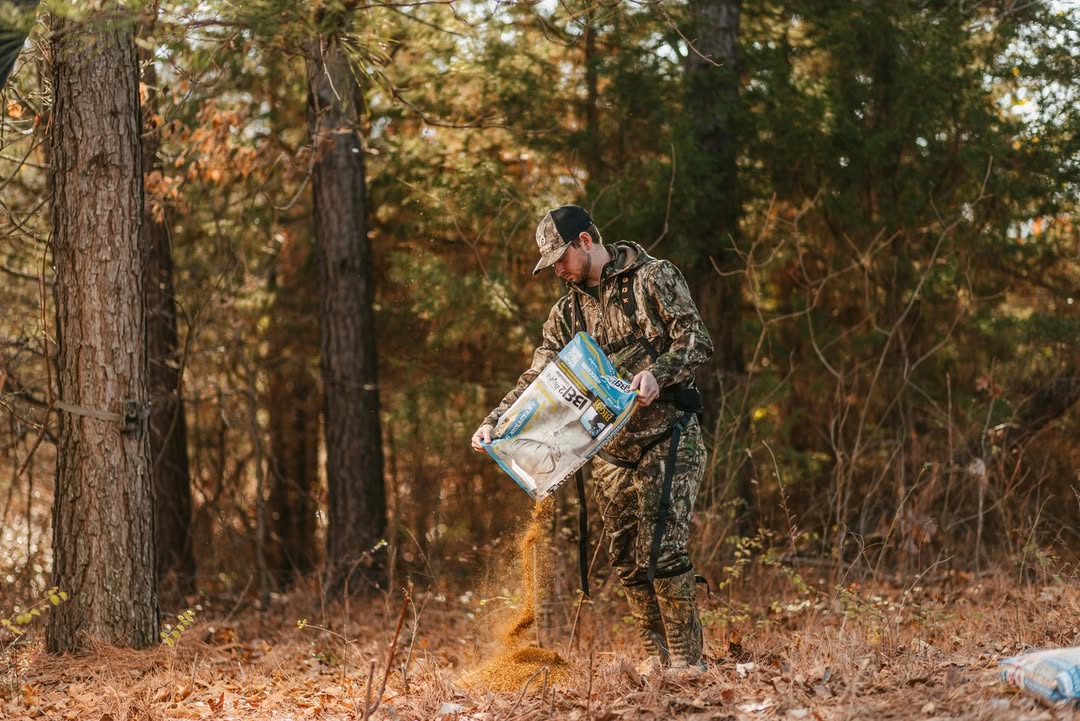
If your goal is tagging mature bucks—not just seeing deer—early spring is the most valuable scouting window of the entire year. While most hunters pack it in after late season, the smartest ones lace up boots as the snow melts. That’s because mature bucks leave behind a roadmap in spring that disappears once green-up and pressure return.
Early spring scouting isn’t about guessing where bucks might be. It’s about learning where they proved they could survive.
Mature Bucks Leave Different Clues Than Young Deer
One of the biggest mistakes hunters make is treating all deer sign the same. Mature bucks behave differently—especially during winter—and their sign reflects that.
In early spring, you can identify:
- Isolated travel routes, away from doe groups
- Single-entry bedding areas, not clusters
- Sign placed with purpose, not convenience
Young bucks and does leave obvious trails and heavy traffic areas. Mature bucks tend to move alone, travel tight to cover, and avoid predictable terrain. Spring makes those subtle patterns visible.
Zero Hunting Pressure Means Honest Movement
By early spring, hunting pressure is gone. No stands. No ground blinds. No human scent constantly pushing deer around. That means the sign you find reflects natural, unforced behavior.
Mature bucks are especially sensitive to pressure. In fall, they often shift movement to nighttime or relocate entirely. In winter and early spring, they settle into survival mode and move where they feel safest.
That’s what you’re scouting—not a pressured animal, but a confident survivor.
Bedding Locations Are Easier to Pinpoint
Early spring is hands-down the best time to locate true mature buck bedding. Without foliage, beds stand out clearly, and the surrounding terrain tells you why that buck chose that spot.
Look for bedding areas that offer:
- Wind advantage with downhill visibility
- Multiple escape routes
- Natural barriers like blowdowns, steep cuts, or thick edge cover
Mature bucks don’t bed randomly. They choose locations that give them control. Spring lets you study those setups without pushing deer out during season.
Travel Routes That Don’t Show Up on Maps
Mature bucks often avoid obvious trails. Instead, they create low-impact routes that follow terrain contours, edge lines, and subtle cover changes.
Early spring reveals:
- Sidehill trails tucked below ridges
- Routes skirting thick cover instead of cutting through it
- Travel lines that avoid crossings and open ground
These paths often disappear visually by summer, but bucks reuse them year after year. Mark them now, and you’ll understand fall movement far better than hunters relying only on trail cameras.
Old Sign Still Tells a New Story
Even weathered sign matters when you know how to read it. Early spring rubs, scrapes, and tracks aren’t about freshness—they’re about placement.
Mature buck sign is usually:
- Less frequent but more strategically located
- Tied closely to bedding or travel bottlenecks
- Positioned where the buck could check areas without exposing himself
You’re not asking “How old is this sign?” You’re asking, “Why is it here?”
Access Routes Become Clearer Than Ever
Scouting mature bucks isn’t just about where they are—it’s about how you can get close without being detected.
Early spring allows you to:
- Walk potential access routes without spooking deer
- Identify noisy ground, water crossings, and visibility issues
- Plan stand locations with realistic entry and exit paths
Mature bucks survive because they detect hunters long before hunters see them. Spring lets you fix that problem before it matters.
Spring Scouting Builds a Seasonal Strategy
The biggest advantage of early spring scouting is long-term clarity. Instead of reacting week to week in fall, you’re building a seasonal plan based on proven behavior.
Early spring intel helps you:
- Choose stand locations that work across multiple wind directions
- Predict early-season movement patterns
- Avoid wasting time in low-probability areas
Mature bucks don’t suddenly change who they are in October. They follow the same survival instincts—they just express them differently.
Why Waiting Until Fall Is Too Late
By the time season opens:
- Vegetation hides trails and beds
- Pressure alters movement
- Mistakes educate deer instantly
Early spring is forgiving. You can walk aggressively, study deeply, and make mistakes without consequences. That window closes fast once summer scouting and human activity ramp up.
Final Thoughts
Early spring is the one time of year when mature bucks can’t hide their past. The snow is gone, the woods are open, and the truth is written across the landscape.
If you want to hunt mature bucks with intention—not hope—spring scouting is where that process starts. The hunters who consistently kill older deer aren’t luckier. They’re better informed.
And early spring is when the best information is waiting.
