
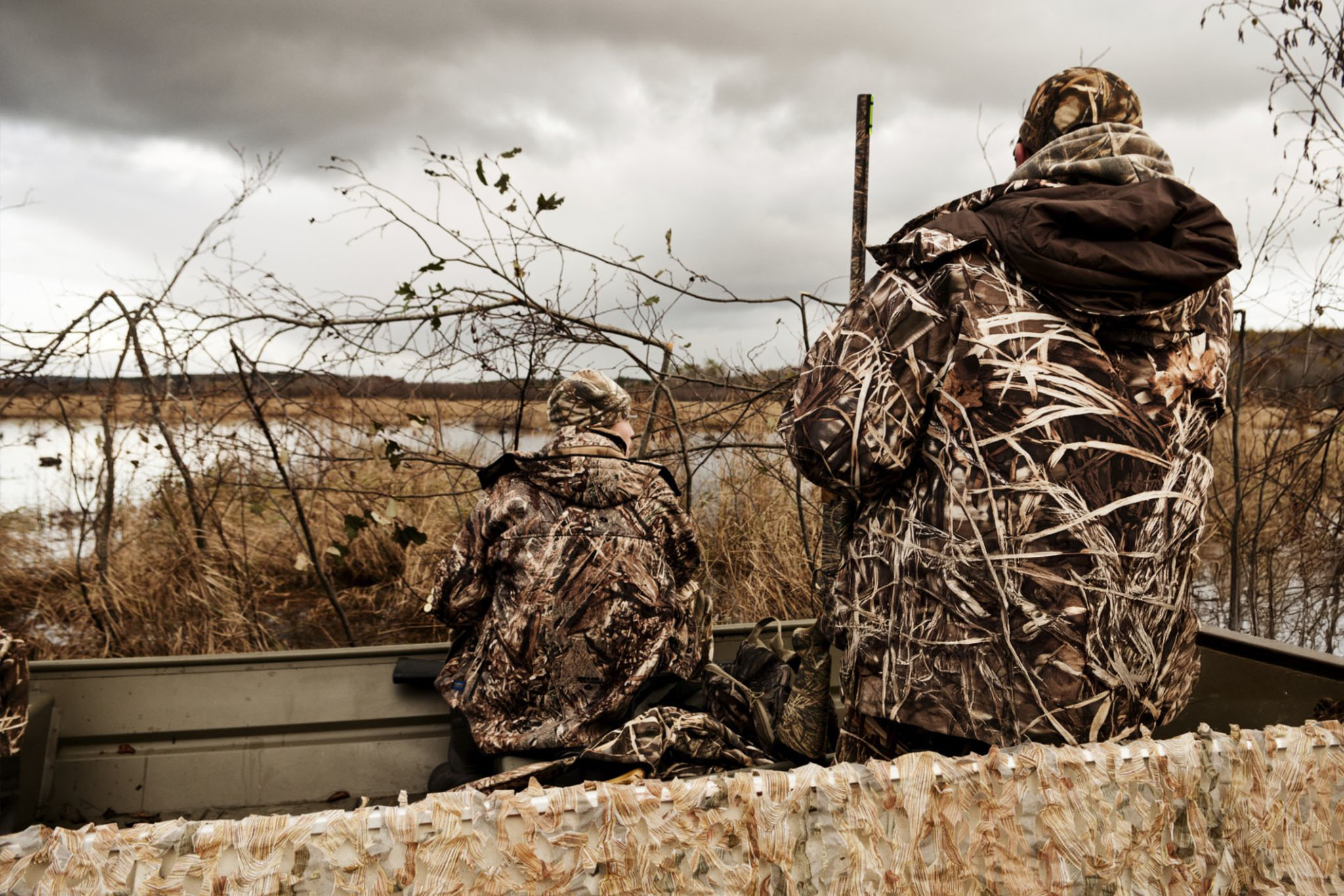
As fall fades into winter and the woods grow bare, hunters face one of the biggest challenges of the late season—finding where deer feed when nature’s pantry runs dry. Early in the season, deer gorge on acorns, soft mast, and green browse scattered across the forest floor. But once frost sets in and the last acorn is buried under a layer of snow, whitetails must shift their feeding habits fast to survive. Understanding where deer turn when natural food sources disappear is the difference between watching empty woods and filling a late-season tag.
The Autumn Feast: Acorns, Mast, and Natural Abundance
In early to mid-fall, deer live in luxury. White oaks, red oaks, beeches, and hickories drop an abundance of acorns and nuts that provide high-fat nutrition. These are the energy-packed fuels that drive the rut and prepare deer for the long winter ahead.
During this period, whitetails rarely need to move far. They can feed within their bedding cover, often spending entire days in small home ranges where mast crops are plentiful. Hunters targeting acorn flats during this window see heavy movement and consistent patterns.
But this feast doesn’t last. As November progresses, the forest floor becomes bare. The once-rich food supply dwindles, and deer behavior changes accordingly. To survive the lean months ahead, they must locate more dependable calories elsewhere.
The Shift to Agricultural Fields
When natural forage vanishes, agriculture becomes the heart of late-season feeding. Cornfields, soybean stubble, and winter wheat plots draw deer from miles around. These crops offer the energy and digestible carbohydrates that deer crave after burning through their fall reserves.
- Cornfields are the undisputed champions of winter food sources. Even after harvest, leftover kernels (known as “waste grain”) remain scattered across the ground. These golden nuggets are high in calories, easy to digest, and often remain accessible above snow. Deer will return to these fields daily, especially during freezing weather.
- Soybean fields are another key attractant. The pods that remain after harvest are protein-rich, helping deer rebuild muscle lost during the rut. Soybeans become particularly important when temperatures drop below freezing, as they offer both nutrition and consistent availability.
- Winter wheat and cover crops like clover or radish shoots provide a touch of green when everything else is dead. In regions without deep snow cover, deer graze these fields heavily through December and January.
If you’re hunting near farmland, the transition from acorns to agriculture is the prime opportunity to adjust your setup. Watch for trails connecting bedding cover to field edges and use wind direction to position yourself downwind of these travel corridors.
Woodland Leftovers: Secondary Food Sources in the Timber
Not every deer herd has access to agriculture. In forest-dominated regions, whitetails rely on woody browse—twigs, buds, and the remaining mast from understory plants.
Maple, sumac, and dogwood shoots become winter staples. Deer also target remaining acorns buried beneath snow, pawing through frozen ground to reach them. In areas with softwood cover, cedar and pine needles offer limited but vital sustenance when options are scarce.
These feeding patterns often pull deer into southern-facing slopes and thickets, where sunlight keeps ground cover more exposed. Hunters who learn to identify these microhabitats can find pockets of consistent movement even in areas devoid of crops.
Weather’s Role: How Cold Fronts Influence Feeding
As temperatures drop, deer behavior becomes increasingly predictable. Before and after a major cold front, feeding activity spikes dramatically. The biological drive to consume calories intensifies as deer prepare for extended cold spells or snowstorms.
The best hunts often happen 24 hours before a big front hits—when barometric pressure rises and deer feed aggressively before hunkering down. After the storm passes, they’ll return to feed again, but typically later in the afternoon once conditions stabilize.
Understanding this rhythm allows hunters to anticipate movement rather than react to it. When paired with knowledge of where the remaining food lies, it’s a powerful combination.
Finding the Balance: Food and Security
Even when food sources are obvious, pressure changes everything. Late-season deer are wary. They’ve been hunted for months, and open fields can feel like danger zones. Mature bucks especially prefer to stage just inside the timber before entering feeding areas under the cover of darkness.
Smart hunters capitalize on this by setting up along transition zones—the 50–100 yards between dense cover and open fields. Here, deer feel safe enough to stage during daylight, offering better shot opportunities without overexposing themselves.
Trail cameras can confirm this movement, but be cautious about intrusion. Too much human scent or disturbance can push deer nocturnal for days. In the late season, pressure management is as critical as food location.
Supplemental Feed and Food Plots: A Controlled Solution
In managed properties, supplemental feeding or food plots can bridge the gap between natural forage and agriculture. Brassicas, turnips, and winter rye offer reliable nutrition well into the cold months. In legal regions, small-scale corn or bean plots near cover can hold deer long after nearby fields are harvested.
However, success depends on placement and timing. Deer will only use these food sources if they feel secure. That means minimizing disturbance and locating plots near bedding areas or along natural travel corridors.
Gear and Groundwork: Hunting Smart in Lean Times
Cold-weather hunts demand both patience and preparation.
- Dress in layers—start with a moisture-wicking base, add insulation, and finish with a windproof shell.
- Boots matter more than ever—insulated, waterproof models like Trudave or Hisea boots keep your feet warm and quiet in frozen terrain.
- Gloves and facemasks help retain heat and hide movement during long sits in open areas.
Late-season success often means waiting out minimal daylight activity. Staying comfortable keeps you in the stand longer—and that’s when opportunity strikes.
Conclusion: Follow the Food, Find the Deer
When acorns disappear and frost grips the landscape, whitetails rely on instinct and calories to survive. Whether it’s a hidden cornfield, a soybean edge, or a brushy ridge lined with woody browse, their next meal dictates their next move.
For hunters who adapt, this season isn’t an ending—it’s an opportunity. The quiet woods and frosted fields hold the most deliberate deer of the year, and every track in the snow tells a story of survival, strategy, and timing.
When natural food sources vanish, don’t just follow the trails—follow the groceries. Because where the food is, the deer are never far behind.
