
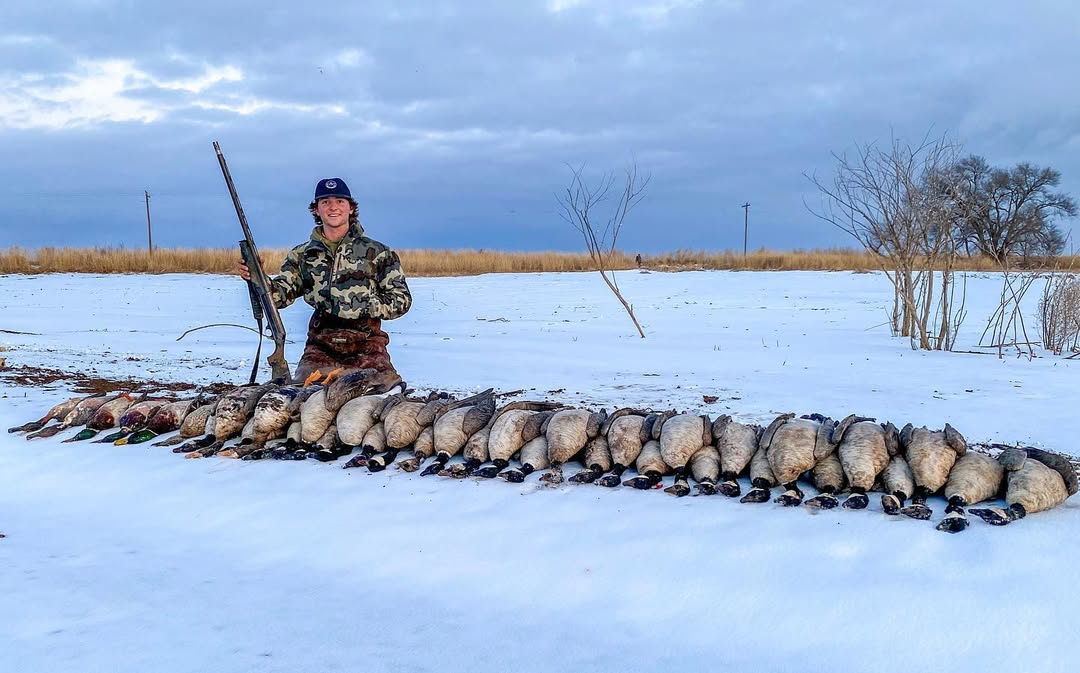
Early spring in the U.S. is a magical yet challenging time for hunters. As snow melts and temperatures gradually rise, the woods awaken. Streams swell with runoff, meadows soften into mud, and wildlife begins to move after months of winter dormancy. For hunters, this transitional period offers a unique opportunity: tracks and signs are more visible, and animals are actively feeding and moving in preparation for the growing season. But to capitalize on these conditions, you need strategy, observation, and careful tracking skills.
This guide explores how to read the woods, identify game movements, and plan your early spring hunts effectively.
Understanding Early Spring Wildlife Behavior
Winter scarcity leaves wildlife focused on survival rather than predictable patterns. As the thaw arrives:
- Deer move from thick winter cover toward nutrient-rich feeding areas.
- Turkeys begin strutting, establishing territories, and searching for food.
- Small game and predators become more active, taking advantage of melting snow and thawed ground.
Tip: Knowing the typical post-winter feeding and bedding shifts can give hunters a head start before wildlife becomes widely dispersed.
Step 1: Read the Tracks
After snow and mud, animal tracks are more visible than at any other time of the year:
- Deer tracks: Look for fresh hoof prints near early spring browse, along muddy trails, or crossing streams.
- Turkey tracks: Large, three-toed prints often appear in mud near feeding areas or forest edges.
- Predator signs: Coyote and fox prints are easy to spot in soft soil; tracks often lead to small game corridors.
Tips for tracking in early spring:
- Focus on muddy banks, shallow water crossings, and recently thawed soil.
- Track signs within 24–48 hours after precipitation for the most reliable fresh prints.
- Identify overlapping tracks to understand which species are active in the same areas.
Step 2: Interpret Game Sign Beyond Tracks
Early spring leaves many clues beyond footprints:
- Droppings (scat): Indicates recent feeding areas. Fresh droppings are darker and moist.
- Bark rubs and scrapes: Bucks may start to mark territory even before antlers fully develop.
- Broken branches and flattened vegetation: Signals bedding or resting sites.
- Water crossings: Look for compacted mud or flattened grass at creek edges.
Combining tracks and sign interpretation increases your chances of predicting game movement accurately.
Step 3: Adjust Your Hunting Strategies
Early spring hunting conditions differ from fall:
- Stand placement: Position stands or blinds near feeding corridors, creek crossings, or edge habitats rather than rut areas.
- Hunting times: Focus on morning and late afternoon, when wildlife is most active.
- Stealth: Muddy ground amplifies sound—consider slow, deliberate steps or soft-soled boots to avoid spooking game.
- Scent management: Wet conditions can carry human scent farther; layer clothing and use scent-eliminating sprays.
Step 4: Use Environmental Clues
Early spring offers environmental hints that help locate game:
- Sap flows and budding trees: Deer often feed near early buds and tender shoots.
- Melting snow patches: Small remaining snowbanks attract wildlife seeking moisture.
- Stream edges: Fresh runoff concentrates feeding activity along the banks.
Observing micro-habitats can make the difference between a successful hunt and wandering aimlessly.
Step 5: Safety Considerations
Hunting after the thaw introduces unique risks:
- Slippery mud and streams: Wear waterproof, traction-friendly boots and move carefully.
- Hidden holes and soft ground: Watch for sinking spots near streams or wet meadows.
- Rapid weather changes: Spring storms can arrive suddenly; check forecasts and prepare for wet, cold conditions.
Safety ensures that your early spring tracking experience is productive and enjoyable.
Common Mistakes to Avoid
- Ignoring mud and soft ground: Can lead to tracking errors or accidents.
- Overestimating animal movement: Wildlife may be slower or concentrate in small areas post-winter.
- Neglecting scent control: Wet conditions can carry human odor farther.
- Not interpreting old vs. fresh tracks: Misreading old prints wastes time.
- Failing to adapt to terrain changes: Thawing ground can obscure previous trails or create new ones.
Final Thoughts
Early spring is a prime time for tracking game, but it requires observation, patience, and adaptability. By reading tracks, droppings, and environmental signs, adjusting hunting strategies, and respecting the unique challenges of thawing woods, hunters can gain an advantage before wildlife disperses into the broader spring landscape.
The thaw signals movement, opportunity, and growth—both in the woods and in your hunting success. With careful preparation, spring woods awakening can become your most productive hunting season yet.
