
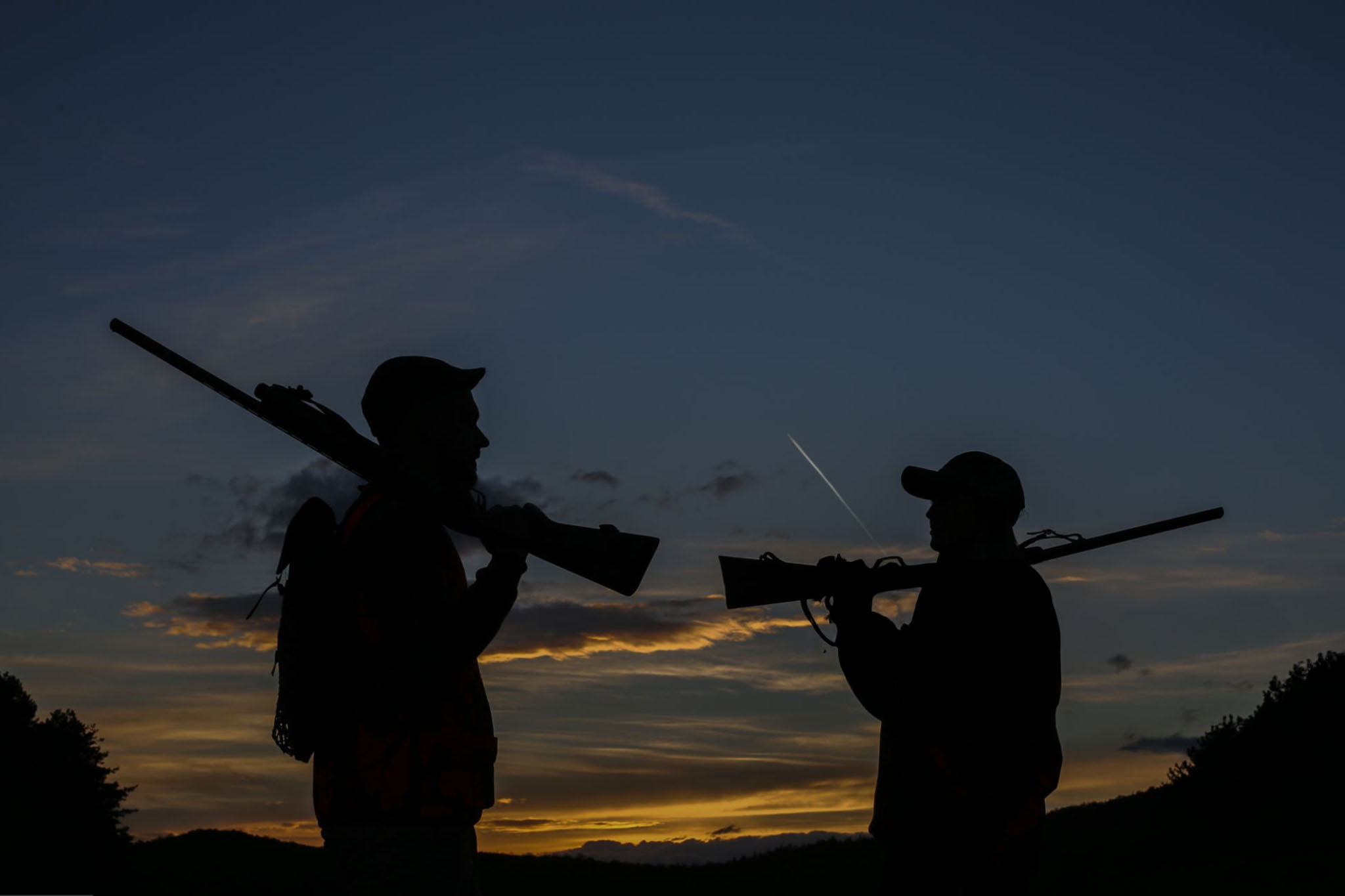
Early spring hunting is a season unlike any other. The air still bites, morning frost lingers, and your fingers may go numb faster than you’d like—but the woods are alive in a way that only happens once a year. The combination of cold conditions and fresh post-winter wildlife activity creates a hunting experience that feels sharper, quieter, and more rewarding than the bustle of fall.
Here’s why spring hunting “hits different” and how you can make the most of it.
The Unique Atmosphere of Early Spring
There’s a reason hunters speak of the “spring chill.” Even as temperatures climb, mornings remain crisp, dew covers the forest floor, and snowmelt runs through streams. This atmosphere does more than just make you layer up:
- Wildlife senses sharpen: Animals emerging from winter are cautious but curious. Tracks, scrapes, and feeding signs are easier to spot without dense foliage.
- Sounds carry differently: Frost and frozen ground can make movement echo, forcing hunters to move deliberately.
- Air quality is clear: Cold air holds scent closer to the ground, helping both hunters and prey detect subtle environmental cues.
These conditions create a hunting environment that rewards patience, awareness, and timing.
Clear Sign Means Honest Information
Post-winter wildlife activity leaves some of the most honest sign you’ll ever see. Unlike fall, where rut, pressure, and abundant cover can confuse patterns, spring shows reality:
- Fresh tracks and trails: Footprints in soft soil or thawed mud indicate where animals are moving, feeding, and resting.
- Natural bedding areas: With leaves and thick underbrush still sparse, preferred bedding spots are visible and predictable.
- Scrapes and rubs: Bucks begin testing territory, giving hunters insight into herd hierarchy and preferred routes.
This clarity is why hunters often say spring hunting feels “different.” The landscape is not masked; it’s revealing itself in real time.
Movement Patterns Are More Predictable
Animals in early spring are focused on energy conservation and recovery, not chasing mates or avoiding heavy human pressure. This creates condensed movement patterns:
- Short, purposeful trips between feeding and bedding areas.
- Consistent use of trails and waterways.
- Predictable travel corridors that change little from week to week.
By observing this activity, hunters can plan strategic stands and ambush points without guesswork.
Cold Fingers, But Clear Decisions
The physical challenge of early spring hunting is real. Cold fingers and chilly mornings may slow you down, but they also force deliberate movement:
- Every step counts: Frozen or muddy ground amplifies sound, so you must step softly and strategically.
- Gear discipline matters: Waterproof gloves, insulated clothing, and proper layering prevent distractions and help you focus.
- Observation over impulse: Cold conditions encourage patience—hunters learn to watch, listen, and wait for the right moment.
These constraints often produce a more focused, mentally sharp hunting experience.
Spring Weather Teaches Adaptability
Unpredictable weather is part of the package. Rain, wind, sun, or sudden frost create dynamic hunting conditions:
- Animals adjust daily, giving hunters new patterns to observe.
- Wind direction becomes critical, as scent travels differently in cool, moist air.
- Timing hunts around weather can produce encounters that fall hunting might not offer.
Learning to adapt in spring improves skill sets far beyond this season.
Why Spring Hunting Feels Rewarding
When the woods wake up and cold fingers are part of the process, hunters gain more than just game—they gain:
- Connection to the land: Tracks, fresh browse, and early wildlife sightings create intimacy with the ecosystem.
- Skill development: Patience, stealth, and reading subtle cues sharpen instincts.
- A mental reset: Spring hunting provides a calm, low-pressure environment to refine strategies before the busy fall season.
This combination of physical challenge and environmental clarity is what makes spring hunting “hit different.”
Final Thoughts
Early spring hunting is a season of honest sign, strategic movement, and sensory awareness. Cold mornings remind hunters to respect the environment, while thawing trails and fresh tracks reveal the truth about wildlife behavior. The woods feel alive in a way that’s quieter, more precise, and more rewarding than any other time of year.
For hunters willing to embrace the chill, plan around clear signs, and move deliberately, spring offers an unmatched hunting experience—one that sharpens skills, rewards observation, and deepens the connection to the land.
