
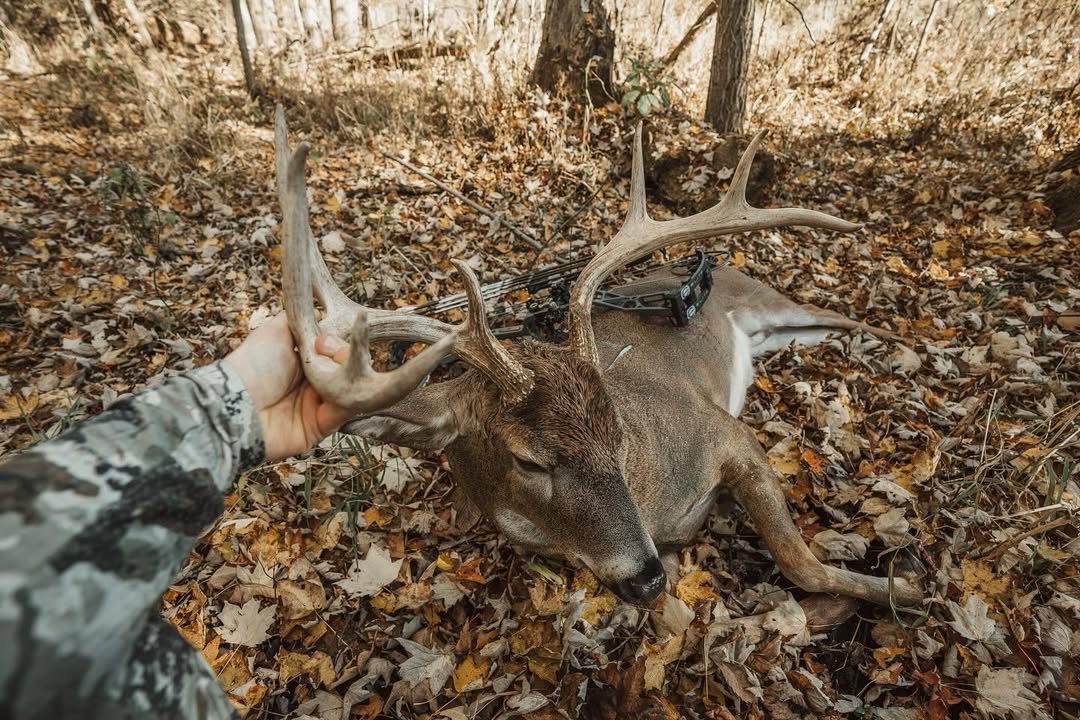
Early spring woods are unforgiving. Melting snow, saturated ground, and lingering debris turn every step into a potential mistake. For hunters, success during this season often has less to do with location and more to do with how quietly you can move through wet terrain.
Animals hear everything in spring. Learning how to move silently in wet woods is a skill—and one that separates consistent hunters from frustrated ones.
Why Wet Spring Woods Are So Loud
After winter, the forest floor is layered and unstable.
Early spring conditions create:
- Waterlogged leaves that suction underfoot
- Hidden sticks softened just enough to snap
- Mud that releases with a noise instead of crunching
Unlike dry fall ground or frozen winter soil, wet woods amplify mistakes. The key isn’t avoiding noise completely—it’s controlling the type and timing of sound.
Slow Is Quiet, But Methodical Is Quieter
Many hunters equate quiet movement with simply slowing down. In wet woods, that’s only half the answer.
Effective spring movement means:
- Testing ground before committing weight
- Rolling the foot instead of stepping flat
- Pausing between steps to let ambient noise reset
Animals tolerate natural forest sounds. They react to unnatural rhythm. Breaking that rhythm matters more than speed alone.
Reading the Ground Before You Step
Early spring demands visual discipline.
Quiet hunters scan for:
- Raised leaf mats instead of compacted mud
- Mossy patches that absorb sound
- Old root systems that stay firm despite moisture
Avoid:
- Dark, shiny mud
- Areas where water pools just beneath the surface
- Leaf piles trapped against logs or rocks
Choosing your path is often more important than choosing your destination.
Timing Your Movement With Environmental Noise
Wet woods aren’t silent—but they are predictable.
Use:
- Wind gusts
- Dripping meltwater
- Distant creek flow
- Passing birds or squirrels
Move during these moments. Stop when the woods go still. Early spring animals key in on silence as much as sound.
Foot Placement Matters More Than Footwear
While waterproof boots are essential, they don’t guarantee quiet movement.
Quiet steps rely on:
- Placing feet at slight angles
- Avoiding full heel strikes
- Letting the toe find balance before committing weight
Flat-footed steps create suction. Angled placement allows water and air to escape gradually—reducing noise.
Use Elevation to Your Advantage
Wet ground collects in low areas.
Whenever possible:
- Travel slight ridges
- Move along contour lines
- Cross wet zones at their narrowest point
Even a few inches of elevation can mean the difference between silent travel and repeated noise.
Short Moves Beat Continuous Walking
Early spring animals are alert but not pressured.
Instead of long, continuous walks:
- Move 10–20 yards
- Stop and listen
- Scan ahead
- Then move again
This start-stop approach mirrors natural movement patterns and gives animals less reason to lock onto your presence.
Managing Gear Noise in Wet Conditions
Wet gear creates its own problems.
Common spring mistakes include:
- Loose straps slapping rain gear
- Zippers clicking when damp
- Packs shifting with each step
Before entering the woods:
- Tighten everything
- Tape metal contact points
- Reduce unnecessary gear
In spring, gear noise carries farther than footsteps.
Choosing When Not to Move
Some spring conditions simply don’t allow quiet travel.
Avoid aggressive movement when:
- Ground is thawing but still frozen underneath
- Mud is adhesive rather than soft
- Temperature swings cause sudden ground noise
Knowing when to sit tight instead of pushing forward is part of hunting wet woods intelligently.
Animals Expect Sound—but Not Commitment
Early spring wildlife hears more than it sees.
They expect:
- Brief noise
- Inconsistent sound
- Non-direct movement
They react strongly to:
- Continuous approach
- Direct, closing noise
- Repetitive rhythm
The goal isn’t silence—it’s ambiguity.
Why Mastering Wet Woods Pays Off Later
Hunters who learn to move quietly in early spring:
- Improve fall stalking success
- Gain confidence in close-range situations
- Make better decisions under pressure
Spring exposes flaws. Fixing them now makes every other season easier.
Final Thoughts
Hunting wet woods in early spring isn’t about forcing movement—it’s about earning it. Every quiet step is a decision. Every pause is intentional.
Hunters who respect wet terrain don’t fight it. They work with it, learn from it, and use it to their advantage. In a season where animals hear everything, quiet movement becomes the ultimate edge.
