
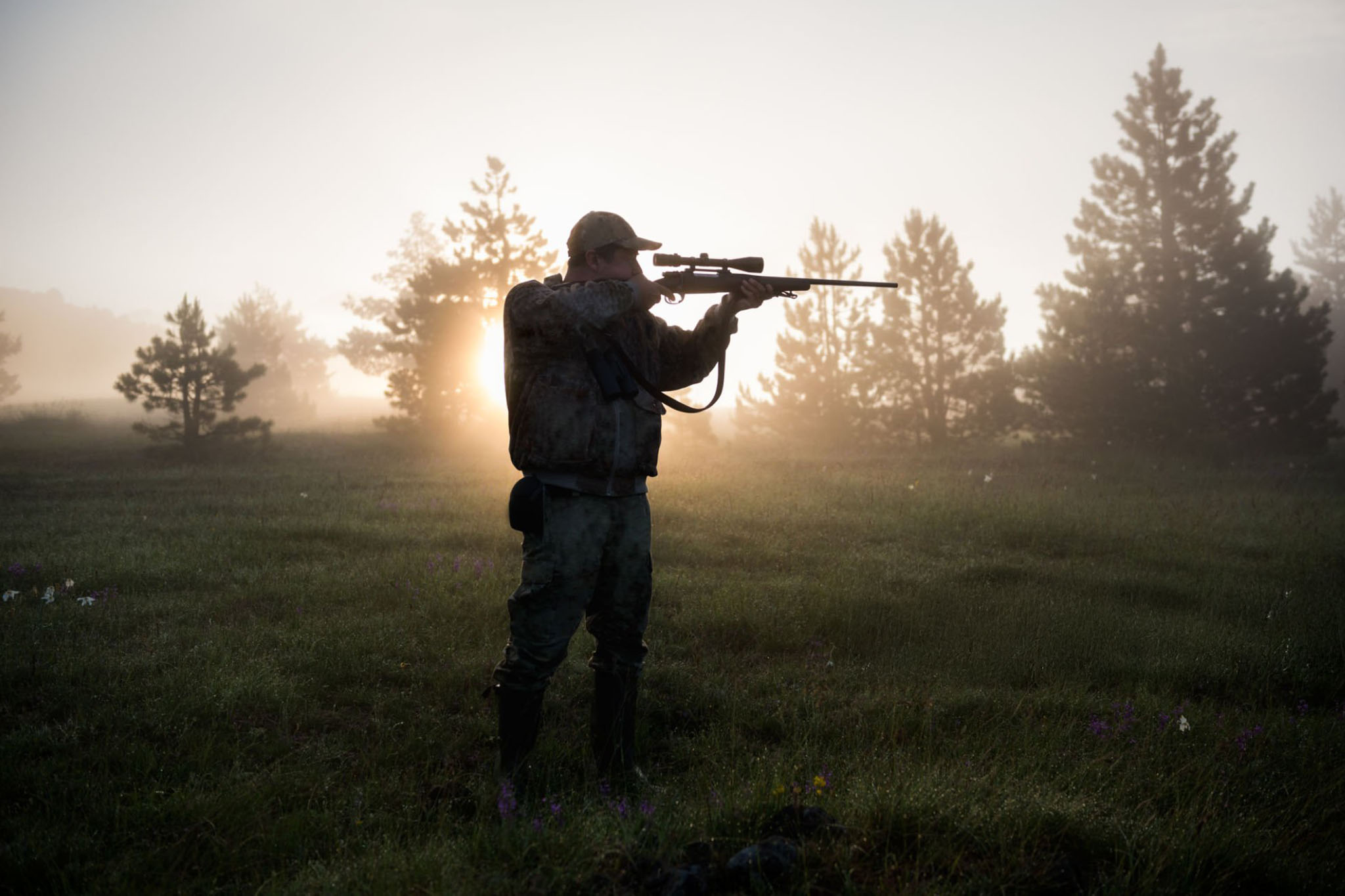
Ask most American hunters to name the best time of year, and you’ll hear the same answers: crisp fall mornings, the rut, opening weekend. Early spring rarely makes the list. For many, it’s seen as an awkward in-between season—too late for winter patterns, too early for fall-style action.
But that reputation is exactly why early spring remains one of the most overlooked—and quietly valuable—times to be in the field.
The “Off-Season” Label That Keeps Hunters Home
Early spring is often mislabeled as downtime. Seasons are closed in some states, weather feels unpredictable, and many hunters mentally shift into fishing or preparation mode.
That mindset creates two realities:
- Fewer hunters on public land
- Less pressure on wildlife in open areas
For those who understand how to use early spring effectively—whether through legal hunting, scouting, or observation—it becomes a low-competition window that doesn’t exist later in the year.
Wildlife Behavior Is Easier to Read Than You Think
While fall behavior is shaped by breeding pressure and winter behavior is driven by survival, early spring sits in a rare middle ground.
Animals are:
- Recovering from winter stress
- Increasing movement gradually
- Re-establishing routines
This creates a short window where:
- Movement is consistent but not frantic
- Animals use predictable transition zones
- Feeding and travel overlap more than in other seasons
For hunters willing to observe rather than rush, spring offers clarity without chaos.
Early Spring Rewards Field Awareness Over Aggression
Many hunters associate success with action—calling, pushing, covering miles. Early spring flips that expectation.
What works better:
- Glassing instead of chasing
- Tracking fresh sign instead of old routes
- Letting animals reveal patterns naturally
Because foliage hasn’t fully grown in, visibility improves. Terrain features stand out. Trails, crossings, and bedding transitions are easier to map mentally.
Spring teaches hunters how to slow down and interpret, not force outcomes.
Reduced Pressure Changes Animal Movement
One of the biggest advantages of early spring is something hunters don’t control: other hunters staying home.
Lower pressure means:
- Animals move more during daylight
- Travel routes remain natural, not evasive
- Mistakes by animals are more common
In heavily hunted areas, spring may be the only time all year when wildlife behaves without constant human disruption.
Weather Variability Scares People Off—But It Creates Opportunity
Cold mornings, muddy ground, sudden rain—spring weather isn’t comfortable, and that alone keeps many hunters out.
But those same conditions:
- Reset daily movement patterns
- Concentrate animals on usable terrain
- Expose fresh sign quickly
Hunters who can read weather shifts—rather than avoid them—often see more activity in spring than during “ideal” fall days.
Spring Is a Skill-Building Season, Not Just a Harvest Season
Another reason early spring is overlooked is because it’s not always about immediate success.
Experienced hunters use spring to:
- Refine tracking skills
- Learn new access routes
- Identify fall setups months in advance
Mistakes made in spring cost less. Lessons learned pay dividends later. It’s the season where knowledge compounds quietly.
Legal Opportunities Still Exist (If You Look Closely)
While some big-game seasons are closed, early spring still offers:
- Species-specific opportunities in certain states
- Predator and small-game seasons
- Land access scouting tied to legal use
Hunters who stay informed often find lawful ways to stay engaged while others assume the season is over.
The Psychological Advantage of Staying Engaged
Early spring hunters carry momentum.
They enter summer scouting sharper.
They enter fall with better terrain memory.
They make faster decisions because the landscape already feels familiar.
While others “start fresh” in fall, spring hunters simply continue forward.
Why Early Spring Deserves More Respect
Early spring isn’t flashy. It doesn’t come with crowds, traditions, or social media hype. But it offers something rarer:
- Low pressure
- Honest animal behavior
- Space to learn without noise
That’s why it’s overlooked—and why it quietly shapes the most consistent hunters in America.
Final Thoughts
Early spring hunting isn’t about chasing peak action. It’s about understanding transitions—of weather, wildlife, and yourself as a hunter.
Those who show up during this overlooked season don’t just gain opportunity. They gain perspective. And that perspective lasts long after the season changes.
