
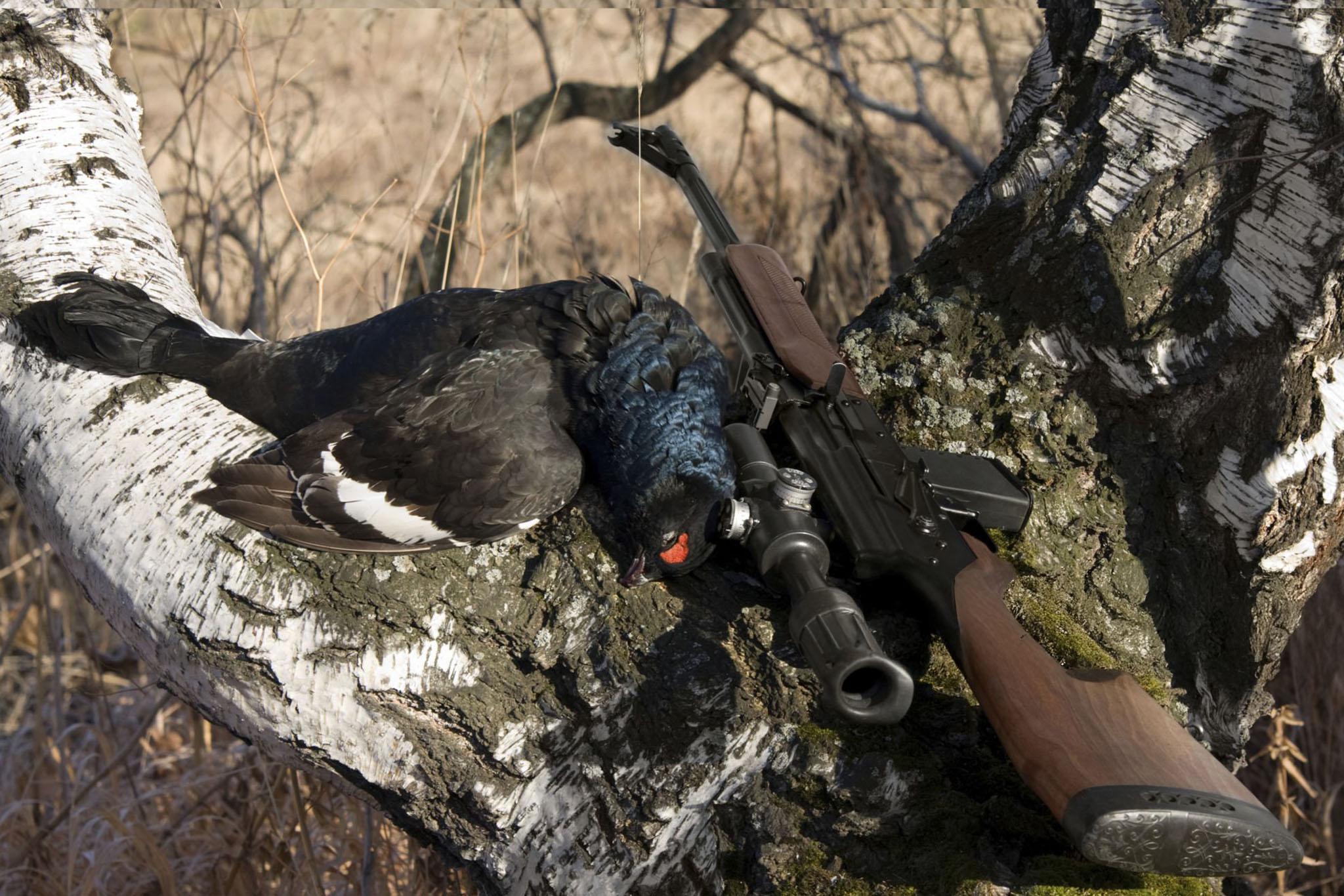
Early spring is one of the most misunderstood hunting seasons in the United States. For many hunters, the end of winter feels like an off-season lull—but in reality, the period right after snowmelt brings some of the most noticeable shifts in animal behavior, terrain conditions, and hunting strategy.
Understanding what truly changes after the snow disappears can help hunters stay effective, legal, and safe while gaining an edge over both the elements and pressured game.
How Snowmelt Transforms the Landscape
When snow melts, the land doesn’t simply “dry out.” It goes through a messy transition phase that directly affects how animals move and how hunters should operate.
Ground Conditions Are Unpredictable
- Frozen soil thaws unevenly, creating mud pockets
- South-facing slopes dry faster than shaded timber
- Creek crossings widen and become louder
For hunters, this means travel routes change daily, and familiar trails may suddenly become impassable.
Vegetation Comes Back in Stages
- Early green-up starts in lowlands and field edges
- Browse becomes more nutritious but limited
- Visibility improves before full leaf-out
This brief window offers better sightlines than late spring while still concentrating animals in predictable food zones.
Animal Movement Patterns Shift Quickly
Post-snow movement isn’t random—it’s driven by survival recovery.
Game Priorities After Winter
Most animals are:
- Rebuilding body weight
- Seeking mineral-rich forage
- Avoiding unnecessary energy loss
This creates short, repeatable movement patterns, especially during early morning and late afternoon.
Key Behavioral Changes to Watch
- Animals avoid deep mud and saturated bottoms
- Trails shift toward firmer ground and ridge edges
- Bedding areas move closer to food sources
Hunters who continue using winter scouting assumptions often miss these adjustments.
Reading Fresh Sign Without Snow
Snow makes tracking easy—but once it’s gone, many hunters struggle to read sign effectively.
What Replaces Snow Tracks
- Mud prints along creek edges and gates
- Bent grass and broken stems
- Fresh droppings near green forage
The advantage? Sign becomes more current, often showing activity from the last 12–24 hours instead of days ago.
Where to Focus
- Field transitions and fence crossings
- South-facing timber edges
- Drainage crossings with firm banks
These spots naturally funnel movement during early spring.
Gear Adjustments for Early Spring Hunts
Spring hunting isn’t about heavy insulation—it’s about staying dry, quiet, and mobile.
Clothing Considerations
- Lightweight waterproof outer layers
- Breathable insulation for temperature swings
- Mud-resistant boots with aggressive tread
Cold mornings can turn into warm afternoons fast, so layering matters more than warmth alone.
Equipment Tweaks
- Lighter packs for shorter sits
- Binoculars over long-range optics
- Simple rain protection over bulky covers
Less gear often means quieter movement in soft ground.
Sound, Scent, and Pressure Factors
Early spring is deceptive—animals may seem relaxed, but they’re often highly sensitive.
Sound Carries Further
Bare trees and damp ground allow:
- Footsteps to echo
- Gear noise to travel
- Metal-on-metal sounds to stand out
Slow movement and deliberate steps matter more now than in fall.
Scent Behavior Changes
Cool mornings trap scent low, while warming afternoons lift it unpredictably. Wind thermals shift rapidly near melting ground, making wind discipline critical.
Legal and Ethical Considerations
Early spring hunting regulations vary widely by state and species.
- Some seasons close shortly after winter
- Others allow limited spring opportunities
- Certain lands may restrict access during thaw
Always verify:
- Seasonal closures
- Access conditions
- Weapon-specific regulations
Ethical hunting during this recovery period helps protect long-term populations.
Why Early Spring Rewards Observant Hunters
Early spring isn’t about high numbers or long sits—it’s about reading subtle changes and adapting fast.
Hunters who succeed during this period:
- Scout more than they hunt
- Focus on terrain over tradition
- Adjust daily based on conditions
It’s a season that favors patience, awareness, and restraint—but it can deliver some of the most educational and satisfying time in the field.
Final Thoughts
Once the snow melts, the rules change—but opportunity doesn’t disappear. Early spring hunting in the U.S. is a transition season, where understanding land recovery and animal behavior can set the tone for the rest of the year.
For hunters willing to slow down, rethink movement, and respect the season’s challenges, early spring offers something rare: clarity before the woods fully wake up.
