
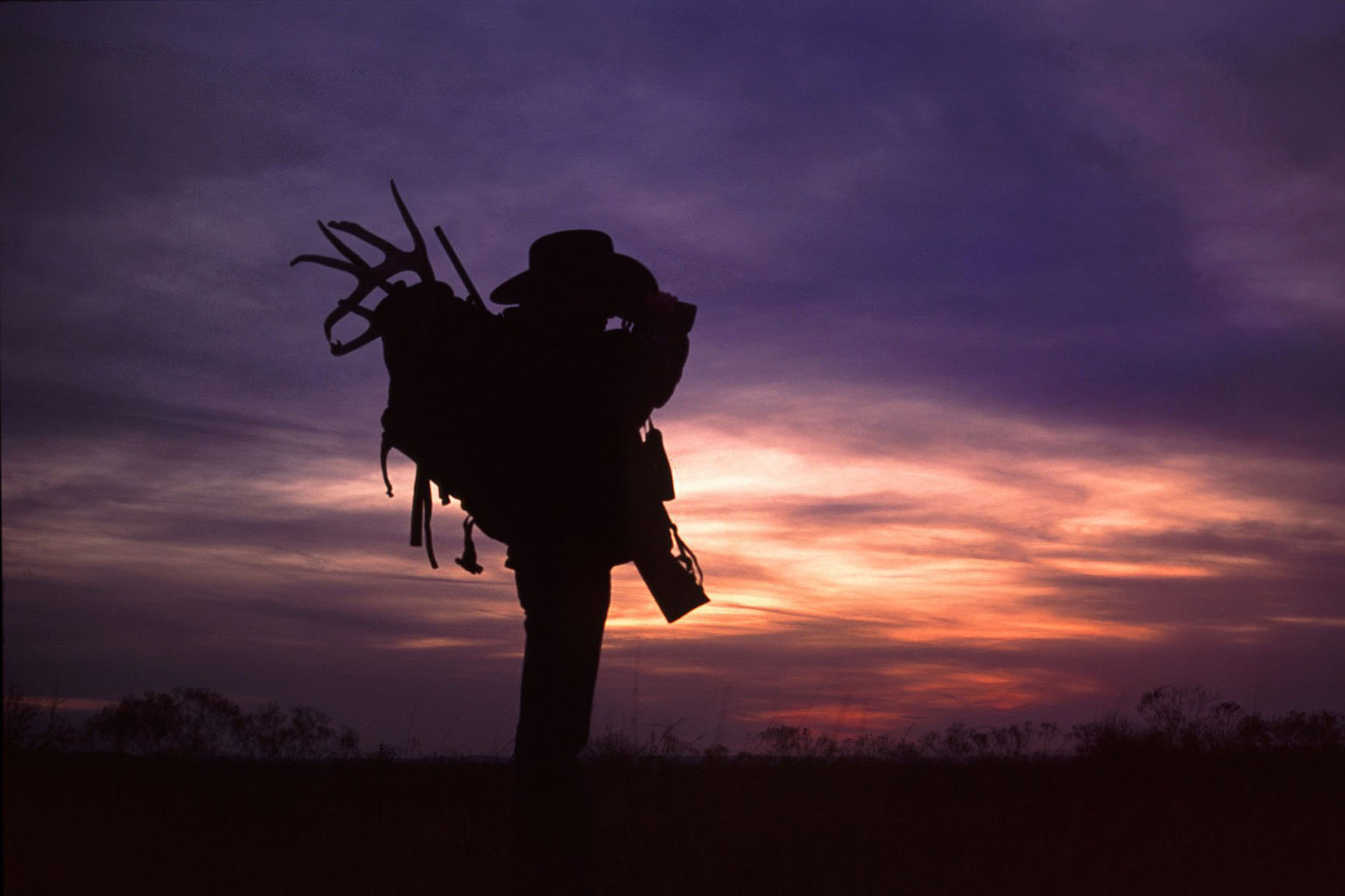
When the final shot of the season echoes across the woods, most hunters assume pressure is over. Tags are filled, trucks leave the access points, and the land goes quiet.
For deer, that silence doesn’t mean relief.
Instead, it marks the beginning of a behavioral recalibration—a subtle but powerful shift driven by memory, stress, and survival conditioning. The most important changes don’t happen immediately. They unfold slowly, often invisibly, in the days and weeks after the season ends.
Pressure Leaves a Residue, Not a Reset
Deer don’t live season to season. They live moment to moment, guided by learned risk.
After months of:
- Sudden noise
- Repeated intrusion
- Unpredictable danger
Their nervous system remains primed long after the threat disappears.
Even when human activity drops to near zero, deer behavior reflects what just happened, not what’s happening now.
This is why post-season deer often appear cautious without being actively pressured.
Movement Slows Before It Changes
One of the first shifts after the last gunshot is a reduction in urgency.
Deer don’t immediately explore. They pause.
- Travel distances shorten
- Directional movement decreases
- Time spent standing still increases
Rather than moving away from danger, deer shift toward containment—staying within familiar, low-risk zones until confidence slowly rebuilds.
To an observer, this looks like inactivity. In reality, it’s a reset process.
Memory Overrides Opportunity
Even when food sources open up or weather improves, deer continue avoiding places that proved dangerous earlier.
Fields that were hunted hard may remain unused.
Well-worn trails may go cold.
Obvious funnels may be bypassed entirely.
This isn’t indecision—it’s memory dominance.
Deer prioritize locations with a history of safety over newly available opportunities. This behavioral lag is one of the most misunderstood post-season dynamics.
Bedding Behavior Changes First
Before movement patterns shift, bedding behavior does.
Post-season deer:
- Bed earlier
- Bed longer
- Choose bedding with better sensory control
They favor locations that allow:
- Visual detection before exposure
- Wind advantage
- Quiet exit routes
These beds may not be warm or comfortable, but they reduce uncertainty. Safety comes first—even when pressure is gone.
Group Dynamics Quietly Reorganize
Another subtle shift after the last gunshot involves social structure.
- Smaller groups break apart
- Mature bucks isolate further
- Movement becomes less synchronized
This fragmentation reduces detection risk. Fewer deer moving together means fewer mistakes—and fewer chances to attract attention.
It also makes post-season sightings feel sparse, even when deer density hasn’t changed.
Late-Winter Timing Becomes Reaction-Based
After the season, deer abandon habitual schedules.
Instead of moving at fixed times, they respond to:
- Sun exposure
- Wind shifts
- Snow texture
- Silence duration
This is why deer may suddenly appear midday after days of inactivity. The movement window didn’t follow the clock—it followed conditions.
To hunters expecting predictable patterns, this looks random. It isn’t.
Mature Deer Recover Last
Older deer show the strongest post-gunshot shift.
They:
- Limit exposure more aggressively
- Take longer to re-expand movement
- Remain wary of open terrain far into winter
These deer survived because they learned fast—and they don’t forget easily. Their behavior changes permanently in subtle ways, shaping next season before it even begins.
Why Sign Disappears Without Deer Leaving
Post-season woods often show less sign, even when deer are present.
That’s because deer:
- Move less
- Reuse beds
- Avoid heavy trails
- Step carefully
Reduced sign doesn’t mean reduced use. It means reduced disturbance.
Understanding this distinction is key to accurate late-winter scouting.
What This Means for Hunters and Managers
Recognizing the post-gunshot behavioral shift helps with:
- Post-season scouting accuracy
- Stand placement planning
- Habitat improvement decisions
- Late-season strategy refinement
It also explains why “empty” woods often hold more deer than expected.
Final Takeaway
The last gunshot doesn’t end pressure—it ends chaos.
What follows is a quiet recalibration driven by memory, caution, and efficiency. Deer don’t relax. They reorganize.
Once you understand this behavioral shift, late winter stops feeling mysterious—and starts revealing how deer truly survive pressure.
