
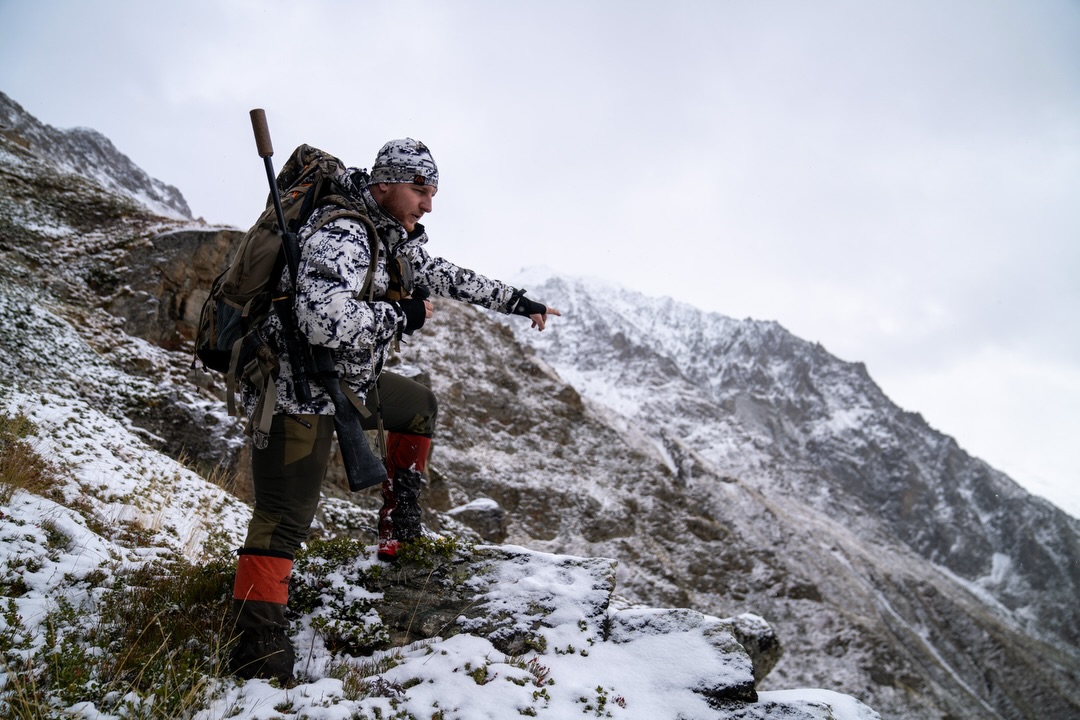
Winter hunting presents a unique set of challenges, and nothing tests a hunter’s patience more than prolonged cold spells. When temperatures stay below freezing for days or weeks, deer behavior changes in subtle but critical ways. Understanding these changes is key to a successful late-season hunt. This guide dives into how to read deer movement during extended cold periods, so you can make the most of your winter stand.
How Extended Cold Alters Deer Behavior
Deer are creatures of energy efficiency. During extended cold snaps, they conserve energy by reducing movement and minimizing exposure to harsh weather. Hunters often notice:
- Reduced Travel Distances: Deer move less overall, favoring shorter trips between bedding and feeding areas.
- Extended Bedding Time: Bucks and does spend more hours in thermal cover, often hidden under dense brush or mature conifers.
- Predictable Patterns: While movement decreases, the patterns become more consistent. Deer will follow the same minimal routes daily, which can actually make them easier to anticipate if you know where to look.
Key Indicators of Deer Activity in Cold Conditions
Reading subtle signs is essential. Snow can both help and hinder your tracking efforts. Look for:
- Compressed Trails: Multiple deer using the same short pathways create compact trails in the snow, indicating the most efficient routes between bedding and feeding zones.
- Fresh Rubs and Scrapes: Even in deep cold, dominant bucks maintain their territory. These signs can signal high-value hunting areas.
- Feeding Site Indicators: Deer may feed on evergreen browse, standing corn residues, or mast leftover from the fall. Fresh bite marks in snow-laden vegetation reveal their limited but targeted feeding behavior.
Picking the Right Stand During Extended Cold
Patience and preparation are paramount. Hunters should consider:
- Thermal Cover Over Visual Cover: Dense conifers, brush piles, and south-facing slopes provide deer with warmth. Stands placed near these areas are more likely to intercept movement.
- Entry and Exit Planning: Deer move less, but they still follow predictable corridors. Minimize scent and noise by approaching routes that avoid these compressed trails.
- Height Advantage: Elevated stands reduce the chance of being detected by deer in low-light, snow-covered environments.
Timing Your Hunt for Maximum Success
Extended cold shifts activity patterns:
- Midday Movement Peaks: While dawn and dusk are traditional hunting times, prolonged cold can force deer to delay activity until the warmest part of the day.
- Weather Windows: A slight thaw or wind shift can trigger movement. Pay attention to temperature changes and wind direction to anticipate short activity spikes.
Tools and Techniques for Reading the Silent Stand
- Trail Cameras: Strategically placed cameras near bedding and feeding areas reveal exact movement times and favored routes.
- Snow Tracking: Fresh snow is a tracker’s best friend. Look for footprints, scat, and other signs to confirm active deer corridors.
- Scent Management: Cold air holds scents longer. Hunters should use scent blockers and remain mindful of wind patterns to avoid detection.
Conclusion
Extended cold spells may make the woods seem silent, but deer are still moving in predictable ways. The key is observation, patience, and interpreting subtle signs. By focusing on energy-efficient patterns, thermal cover, and short but consistent travel routes, hunters can increase their chances of success during mid- to late-winter hunts. The silent stand isn’t about luck—it’s about understanding deer behavior when the cold tests both animals and hunters alike.
