
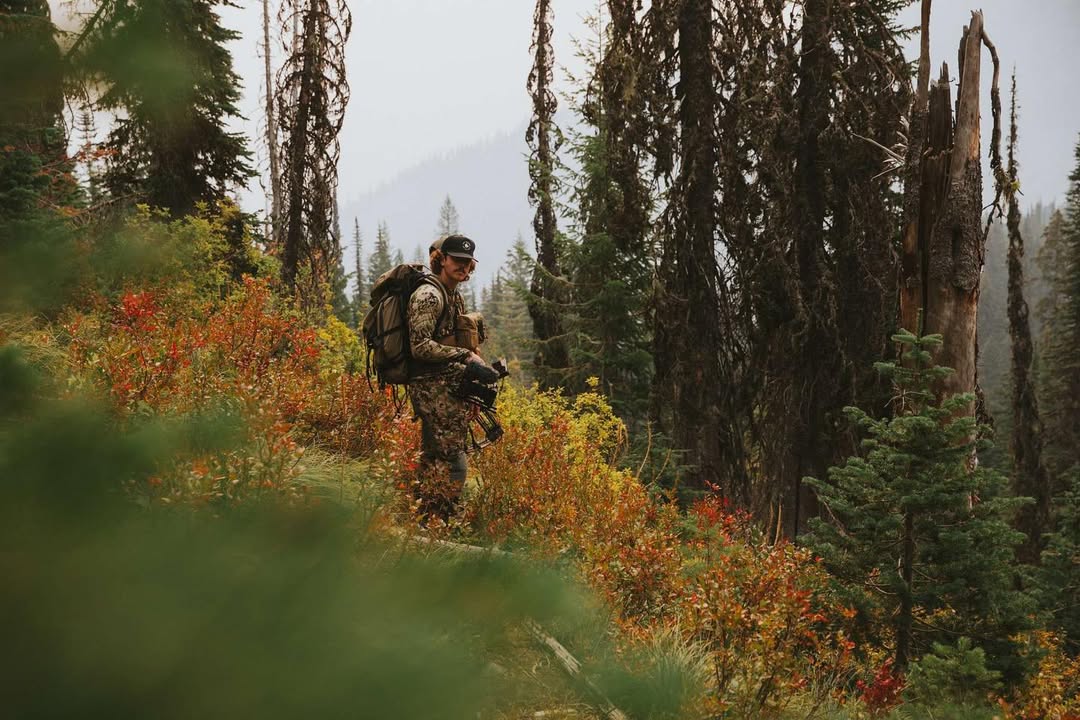
As winter drags on and the hunting season enters its late phase, most hunters focus on traditional factors: cover, food sources, or wind direction. But one critical aspect is often overlooked—sun exposure in deer bedding areas. Understanding how deer use sunlight during the coldest months can give hunters a significant edge in late-season strategies.
Why Sun Matters to Deer in Late Winter
During late winter, deer are battling two major challenges: energy conservation and extreme cold stress. Sunlight provides several subtle but crucial benefits:
- Thermal Comfort
Direct sun can increase surface temperatures by several degrees, giving deer a warmer microclimate. Even a slight difference in warmth can help deer conserve energy, especially during early morning or late afternoon periods when temperatures drop rapidly. - Reduced Snow and Ice Accumulation
Bedding areas that receive sunlight often have less snow or ice buildup. This makes it easier for deer to move, lie down comfortably, and access forage near the edges of bedding sites. - Psychological Comfort and Safety
Sunlit areas offer more visibility, allowing deer to detect predators more effectively. Deer often select spots where they can both stay warm and maintain a clear line of sight, even if the cover is slightly thinner.
How Sun Exposure Influences Bedding Selection
Even in thick timber or dense brush, deer actively seek patches that catch the sun. Hunters often miss this because they rely solely on map-based topography or fresh tracks.
Key patterns to observe:
- South- and Southeast-Facing Slopes: These areas catch morning sun, providing early warmth. Deer often bed here to take advantage of rising temperatures.
- Open Timber Pockets: Sparse areas that allow sunlight penetration may see higher deer density late in the season.
- Edge Zones Between Forest and Field: Deer balance access to forage with sun exposure, often choosing spots that receive partial sunlight for most of the day.
Timing Your Hunt Around Sunlight
Sun exposure isn’t just about where deer bed—it’s also about when they move. Understanding the sun’s role can help hunters predict activity windows:
- Morning Activation
Deer in sunlit bedding areas may start moving earlier than those in shaded spots. They emerge as soon as the sun hits their microclimate, seeking nearby feeding zones. - Midday Rest Patterns
Sunlight provides thermal energy that allows deer to rest longer and conserve energy. Midday hunting may be less productive in heavily shaded areas, but sun-exposed bedding zones can trigger intermittent movement. - Late-Afternoon Feeding Runs
As temperatures drop, deer may return to sunlit edges for warmth before moving to feeding areas. Anticipating these transitions is crucial for late-season success.
Practical Tips for Hunters
- Map Sunlit Bedding Areas Before Your Hunt
Walk your hunting property or study satellite imagery to identify south-facing slopes and openings that catch sunlight. - Blend Your Approach
Late-season deer are highly cautious. Set up stands or blinds along natural sun corridors to intercept movement without spooking animals. - Watch for Secondary Clues
Even if tracks are sparse, subtle signs like flattened grass or bedding depressions in sunlit areas indicate deer presence. - Use Sun Angles to Your Advantage
Position yourself so that the rising or setting sun works behind you, keeping your silhouette concealed while maximizing visibility of deer movement.
Final Thoughts
Sun exposure is a subtle, often overlooked factor that dramatically impacts deer behavior in late winter. By understanding how deer use sunlight to conserve energy and navigate their environment, hunters can identify high-probability bedding areas, anticipate movement patterns, and increase late-season success.
Remember, the smartest hunters don’t just follow tracks—they follow the sun. Observing microclimates, combining them with cover and wind patterns, and timing hunts around thermal advantages can make the difference between a frustrating sit and a productive day in the stand.
