
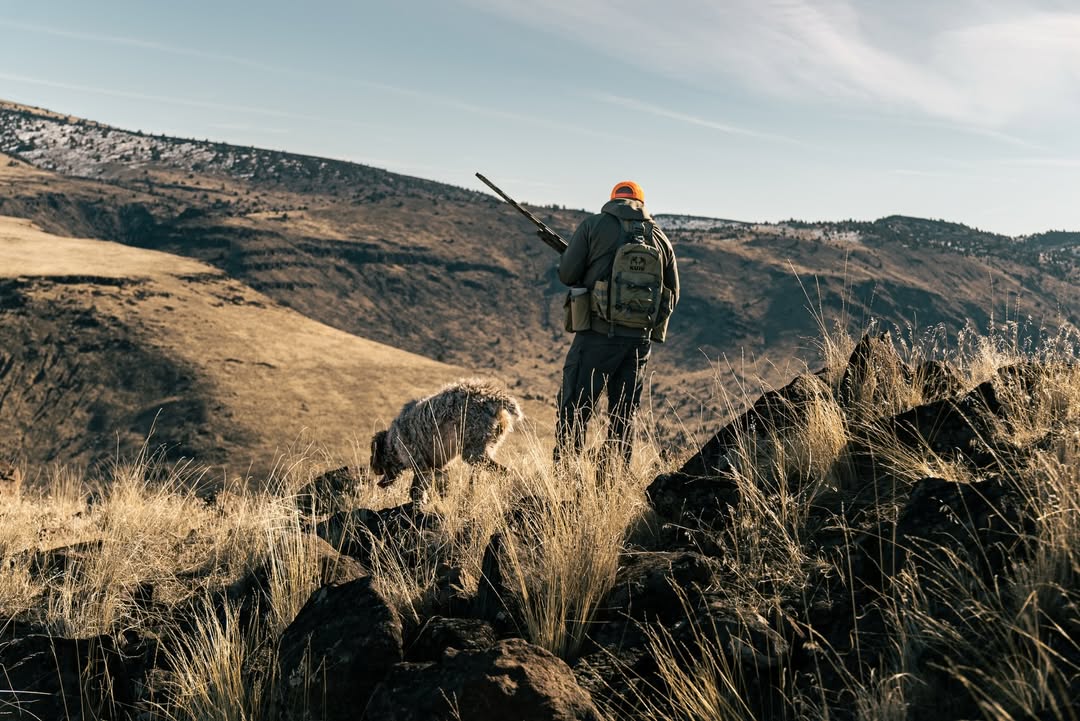
For most hunters, dawn is sacred. Alarms go off early, thermoses are filled, and stands are climbed in the dark because we’ve been taught that first light is when it all happens. But once late season arrives—after weeks of pressure, dropping temperatures, and shrinking daylight—early afternoon often becomes the most productive window of the entire day.
This isn’t theory. It’s a behavioral shift driven by energy conservation, thermal regulation, and learned avoidance. Late-season animals don’t move on our schedule—they move when survival demands it.
Cold Changes the Daily Energy Equation
By late season, calories are currency. Animals enter each day already running an energy deficit, especially after long nights of subzero temperatures. That changes how they budget movement.
Morning movement still happens, but it’s often:
- Short
- Delayed
- Highly cautious
- Confined close to bedding
At dawn, animals are cold, stiff, and reluctant to burn energy unless they must. If they fed overnight or shortly after dark, they have little incentive to move far again at first light—especially under pressure.
Early afternoon is different.
By midday, body temperatures stabilize, sunlight provides slight thermal gain, and animals reach a point where feeding becomes necessary rather than optional.
Why Dawn Movement Becomes Less Reliable Late Season
Late-season dawn movement is often inconsistent for three key reasons:
- Thermal hesitation
Cold muscles take time to warm. Animals delay movement until conditions improve. - Pressure memory
Dawn is when hunters historically move the most—vehicles, access routes, and stand noise are predictable. Animals learn this quickly. - Compressed feeding zones
Food sources are limited and often close to bedding. Animals can feed briefly without exposing themselves during daylight.
This doesn’t eliminate morning movement, but it makes it less visible and less predictable.
Early Afternoon Aligns With Biological Need
Early afternoon sits at the intersection of necessity and safety.
By this point:
- Energy reserves are dropping
- Body temperature is regulated
- Sun exposure reduces cold stress
- Pressure from morning hunters has faded
Animals begin making deliberate, efficient moves toward food—not exploratory wandering, but committed travel.
These movements tend to be:
- More linear
- More purposeful
- Less erratic
- Easier to pattern
That predictability is gold for late-season hunters.
Why Afternoon Movement Is Often More Visible
Late-season animals still prefer cover, but early afternoon movement often occurs along established, trusted routes rather than random staging behavior.
You’re more likely to see:
- Bedding-to-feed transitions
- Edge-hugging movement
- Contour-following travel
- Slow, deliberate pacing
Unlike dawn movement—which can happen in near darkness or deep cover—afternoon movement often crosses small openings or terrain transitions that offer thermal advantage.
Visibility improves not because animals feel bold, but because they are choosing efficiency over concealment.
Sunlight Is a Silent Advantage
Sun exposure matters more than most hunters realize in late season.
South-facing slopes, open timber, and sheltered edges warm earlier in the day. Animals often shift bedding slightly toward these zones by midday, then begin feeding movement from there.
This means early afternoon hunts can capitalize on:
- Predictable thermal shifts
- Consistent sun angles
- Stable wind behavior
- Reduced hunter traffic
Instead of battling unpredictable morning thermals, hunters often enjoy cleaner wind and calmer conditions.
Pressure Drops After Noon
One of the most overlooked advantages of early afternoon is human absence.
Many hunters:
- Leave stands by mid-morning
- Skip afternoons entirely
- Save energy for dawn sits
Animals notice.
Late-season animals learn that pressure peaks in the morning and fades as the day goes on. This creates a subtle confidence window where movement increases—not because animals feel safe, but because they’ve learned when disturbance is least likely.
Afternoon Hunts Favor Discipline Over Hope
Morning hunts often rely on anticipation: maybe something will move at first light. Afternoon hunts rely on understanding.
Successful late-season afternoon setups focus on:
- Known travel routes, not fresh sign
- Food-adjacent cover, not open feeding areas
- Minimal intrusion, not aggressive access
- Patience over action
You’re not waiting for chaos—you’re waiting for necessity to force movement.
Why This Window Gets Better as Winter Deepens
The colder and longer winter stretches become, the more valuable early afternoon grows.
Extended cold:
- Shortens total daily movement
- Compresses feeding windows
- Increases reliance on routine
- Penalizes unnecessary exposure
As a result, animals concentrate movement into fewer, more reliable windows—often between late morning and last light.
The Takeaway
Dawn still matters—but late season rewrites the rulebook.
Early afternoon offers:
- More predictable movement
- Better thermal conditions
- Reduced pressure
- Higher-quality opportunities
Hunters who cling exclusively to morning sits often miss the most honest movement of the day.
Late season isn’t about beating the sunrise.
It’s about understanding when animals have to move.
And more often than not, that moment arrives when the day is already well underway.
