
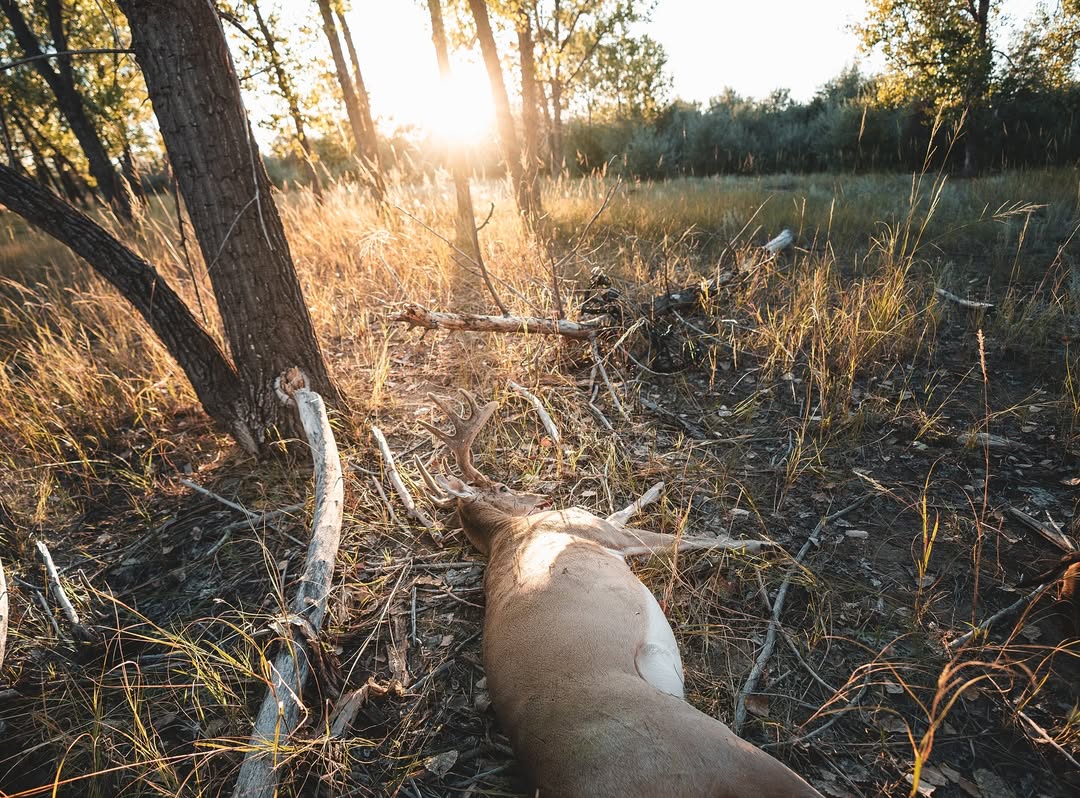
When the ground locks up and the woods fall silent, most hunters assume the action is over. Snow hides details, frozen soil erases tracks, and the forest feels empty. But winter doesn’t eliminate deer sign—it refines it. What remains in frozen conditions is often more honest, more current, and more useful than sign found during any other time of year.
January rewards hunters who know how to read what’s left when everything unnecessary disappears.
Why Frozen Conditions Change How Deer Leave Sign
Cold ground alters both deer behavior and how evidence is preserved. In frozen conditions, deer move less, choose routes more deliberately, and revisit only the most reliable areas.
This creates a key advantage for hunters:
- Less random movement
- Fewer misleading tracks
- More concentrated activity
Instead of sorting through days of overlapping sign, winter reveals where deer must travel—not where they might.
Tracks Matter Less—Patterns Matter More
Frozen ground often prevents clean track impressions, especially after repeated freezes. That doesn’t mean tracks are useless—it means they must be interpreted differently.
In winter, focus on:
- Track direction, not depth
- Repetition, not quantity
- Location, not clarity
A faint track repeatedly crossing the same narrow corridor tells you more than a dozen sharp tracks scattered across a field edge.
Look for consistency over perfection.
Hard Snow Reveals Route Commitment
When snow crust forms, deer avoid unnecessary movement. Breaking crust costs energy, so deer gravitate toward paths already compacted by prior travel.
Key places to check:
- Edges of timber lines
- Leeward sides of ridges
- Old logging roads or subtle benches
- Brush-lined transitions
If you find a hardened path in snow, it often represents a primary winter travel lane, not casual movement.
Browsing Sign Becomes the Top Indicator
In frozen woods, feeding sign often tells a clearer story than tracks.
Fresh winter browsing appears as:
- Cleanly nipped twig ends
- Bark stripped at reachable height
- Broken saplings with sharp edges
Pay attention to height. Browsing at chest level suggests relaxed feeding. Higher browsing often indicates snow depth forcing deer upward—or competition within groups.
Bedding Sign Is Subtle—but Telling
January bedding areas are about survival, not comfort. Deer choose spots that balance wind protection, visibility, and thermal efficiency.
Clues to look for include:
- Flattened leaves or snow depressions near cover
- Beds positioned just below ridge tops
- South- or east-facing slopes with sun exposure
- Bedding clustered tightly rather than spread out
Frozen bedding areas may not show fresh disturbance, but their placement reveals daily movement strategy.
Rubs and Scrapes Still Matter—If You Read Them Right
Late-season rubs aren’t about rutting—they’re about navigation.
In winter:
- Rubs often mark travel edges rather than breeding zones
- Older rub lines highlight traditional movement routes
- Isolated fresh rubs may signal dominance within grouped bucks
Scrapes usually go cold, but when active, they often appear near limited food or staging cover—making them especially valuable.
Silence Is a Clue, Not a Problem
Quiet woods unsettle many hunters, but silence amplifies deer behavior.
In frozen conditions:
- Sound travels farther
- Deer move more cautiously
- Movement is often deliberate and slow
Listen for subtle indicators:
- Snow crunching in rhythmic patterns
- Short, single-step movements rather than long walks
- The pause-and-move cadence of feeding deer
When the woods are quiet, every sound matters more.
Human Pressure Shows Clearly in Winter
Frozen ground preserves boot tracks, ATV ruts, and stand access routes long after activity stops.
Use this to your advantage:
- Identify heavily pressured areas deer avoid
- Locate overlooked pockets with minimal disturbance
- Predict where deer retreat during daylight
Winter sign often tells you as much about hunters as it does about deer.
Putting It All Together: Winter Sign Is About Necessity
January deer sign isn’t flashy. It doesn’t jump out. But it’s brutally honest.
Every track, browse mark, and bedding area exists because the deer needed to be there—not because they wandered through.
When you learn to read frozen sign through the lens of necessity—energy conservation, safety, and routine—you stop guessing and start predicting.
Final Thoughts: Winter Doesn’t Hide the Truth—It Strips Away the Noise
Cold ground and quiet woods don’t make deer harder to hunt. They make them more readable—if you’re willing to slow down and adjust your perspective.
In frozen conditions, less sign means better sign. And the hunters who understand that are the ones still tagging deer when most seasons feel long over.
