
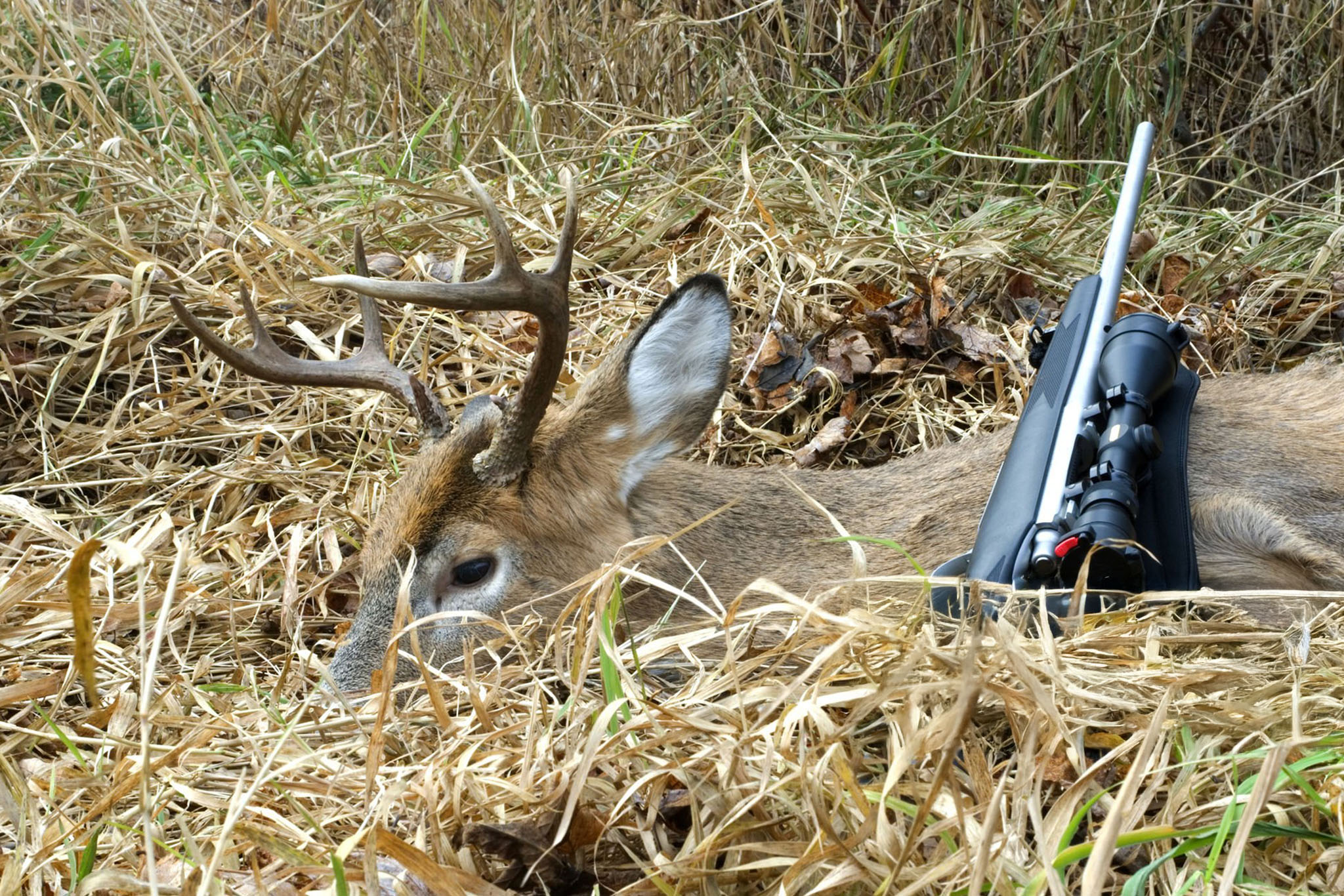
Late winter hunting presents unique challenges for deer hunters. While many focus on snow cover, wind direction, or traditional bedding areas, microclimates—small areas with slightly warmer temperatures or shelter from harsh elements—can be the key to locating deer during January and February. Understanding these microclimates gives hunters an advantage in predicting movement patterns, stand placement, and feeding behavior.
This article explores how to identify and use these warm pockets to your advantage.
What Are Microclimates and Why They Matter
A microclimate is a localized environment that differs from the surrounding area in temperature, wind exposure, or snow cover. Even a few degrees difference can impact deer behavior during winter:
- Slightly warmer spots allow deer to conserve energy in extreme cold.
- Sheltered areas reduce exposure to wind chill.
- Snow-free patches offer easier access to browse and early shoots.
By identifying these areas before heading into the field, hunters can anticipate where deer are likely to concentrate.
Factors That Create Warm Winter Microclimates
Several environmental features contribute to warm pockets in late winter:
1. Sun Exposure
- South-facing slopes absorb more sunlight during the day, warming soil and surrounding vegetation.
- Open areas with low tree cover allow maximum solar gain.
Deer often move toward these spots during mid-day to conserve energy and feed comfortably.
2. Natural Windbreaks
- Thick brush, tree lines, or ridges block harsh winter winds.
- Deer cluster on the leeward side of these features to avoid wind chill.
- These areas often stay drier, reducing energy loss from wet snow or ice.
3. Water and Thermal Influence
- Small ponds, streams, or wetlands can create warmer conditions nearby, especially when water is unfrozen or slowly thawing.
- Moisture moderates temperature fluctuations, creating a slightly milder microclimate.
- Deer may bed or feed along these edges where snow melts faster.
4. Topography and Terrain
- Hollows and valleys may trap warmer air, while exposed ridges are colder.
- South-facing benches along slopes can remain ice-free longer.
- Understanding terrain allows hunters to focus on spots where deer naturally conserve heat.
How to Map Microclimates for Hunting
Step 1: Observe Sun and Wind Patterns
- Track how sunlight moves across your property from morning to afternoon.
- Note areas consistently sheltered from prevailing winds.
- These observations help identify high-probability deer zones.
Step 2: Look for Vegetation Clues
- Browse lines are often concentrated near warm pockets.
- Early sprouts or untrampled shoots indicate deer movement in microclimates.
- Areas with less snow accumulation may reveal consistent bedding sites.
Step 3: Use GPS and Trail Cameras
- Mark potential warm pockets with GPS points.
- Set trail cameras to monitor deer activity over several days.
- Look for patterns in time-of-day usage; deer may shift between microclimates throughout the day.
Step 4: Combine With Traditional Deer Sign
- Tracks, scat, and rubs will reinforce your microclimate map.
- Focus on high-traffic corridors leading into these warm pockets.
- Combine terrain knowledge with observed microclimates to predict both feeding and bedding areas.
Advantages of Microclimate-Based Hunting
- Energy Efficiency – Deer spend less energy moving between bedding and feeding zones in mild areas. Hunters who locate these pockets can plan shorter, less strenuous hunts.
- Higher Success Rates – Targeting warm pockets increases the chance of spotting deer during the coldest months.
- Reduced Disturbance – By anticipating deer movement, hunters can choose blinds or stands that minimize disturbance to surrounding areas.
- Better Stand Placement – Microclimate mapping ensures you place tree stands or ground blinds where deer are naturally inclined to gather.
Tips for Winter Hunts Using Microclimates
- Arrive early: Deer may use warmer spots first thing in the morning after a cold night.
- Blend with the environment: Sheltered pockets are often surrounded by natural features—camouflage accordingly.
- Monitor weather changes: Slight warm-ups or snow events can shift microclimate zones quickly.
- Be patient: Deer move slowly during deep winter; observing microclimate patterns over days provides the best insight.
Final Thoughts
Late winter hunting is as much about reading the land as it is about spotting deer. Microclimate mapping provides hunters with an edge by identifying where deer conserve energy, feed, and bed during harsh January and February conditions.
By combining terrain analysis, sun and wind observation, vegetation clues, and trail camera monitoring, hunters can strategically position themselves in the most productive zones, maximizing success while minimizing unnecessary movement and disturbance.
In the toughest months of the hunting season, finding the warm pockets often separates a successful hunt from a day with empty tags.
