
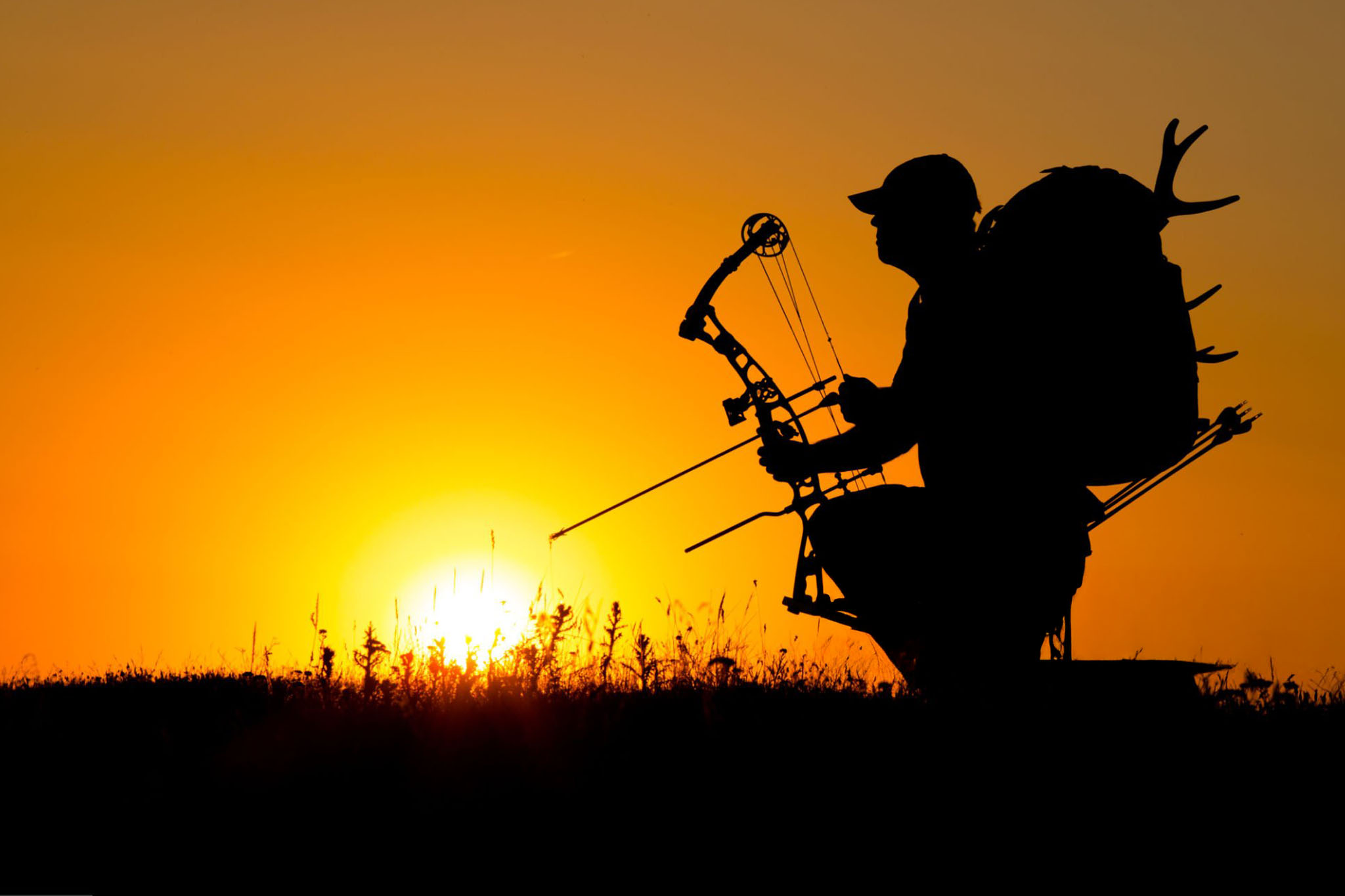
Late winter and early January hunting present unique challenges for bowhunters. Cold air, freezing temperatures, and fluctuating weather can affect bow performance, arrow flight, and your overall accuracy. While many hunters focus on camouflage, stand placement, or tracking deer, bow tuning in cold weather is often overlooked—yet it is critical for a successful hunt.
This guide covers the key steps to maintain peak bow performance and accuracy when the mercury drops.
Why Cold Weather Affects Your Bow
Even high-end bows are not immune to temperature changes. Several factors can impact performance in freezing conditions:
- String and Cable Contraction
- Synthetic bowstrings tighten in cold temperatures, increasing draw weight and slightly altering arrow flight.
- Cables may shorten, affecting cam timing and overall bow synchronization.
- Arrow Spine Changes
- Carbon and aluminum arrows can behave differently in extreme cold.
- Colder air increases air density, which can subtly alter trajectory and penetration.
- Limb Material Sensitivity
- Wood, fiberglass, and composite limbs may contract or stiffen in sub-freezing temperatures.
- This affects bow energy transfer and can create inconsistencies in arrow flight.
- Release and Grip Variations
- Cold hands can change grip pressure and release mechanics.
- Even small inconsistencies in finger or mechanical release technique can magnify errors in accuracy.
Pre-Hunt Cold Weather Bow Checks
Before stepping into a stand on a winter morning, perform these key checks:
1. Inspect and Wax Your Bowstring
- Cold weather can dry out strings faster, causing fraying or stiffness.
- Apply a thin coat of bowstring wax to prevent moisture absorption and maintain smooth nock fit.
- Check for visible fraying or broken strands—cold stress can accelerate string wear.
2. Confirm Draw Weight and Cam Timing
- Use a bow scale to measure actual draw weight in winter conditions.
- Observe the cams: in cold weather, slight misalignment can occur due to string contraction.
- Adjust the cams or let a professional perform a cold-weather timing check if needed.
3. Arrow Spine Test
- Shoot arrows indoors or at a controlled range before heading out.
- Check for any fishtailing, porpoising, or inconsistent flight that could indicate spine issues in cold air.
- Consider carrying backup arrows with slightly different spine if conditions are extreme.
4. Examine Rest and Nocking Point
- Frost or ice can affect arrow rest friction and nocking point alignment.
- Ensure your rest is clean and secure; adjust the nocking point slightly if arrows pull left or right in cold conditions.
- For mechanical rests, test deployment in freezing temperatures to prevent malfunction.
Adjusting for Cold Air Density
Cold air is denser than warm air, creating slightly more drag on your arrows. While the effect is subtle, over longer distances (30+ yards), it can change point-of-impact:
- Expect arrows to drop slightly more; compensate with aiming higher at extended ranges.
- Cold also reduces arrow speed slightly due to tighter string tension; confirm with a bow chronograph if possible.
Practical Tips for Bowhunters in Winter
- Warm Your Bow Before Hunting
- If possible, store your bow indoors or in a vehicle before the hunt.
- Avoid exposing it directly to extreme cold for prolonged periods.
- Keep Hands and Fingers Warm
- Use thin gloves or hand warmers to maintain consistent grip.
- Avoid bulky gloves that alter your draw or release mechanics.
- Check Broadheads in Cold Weather
- Frozen targets can dull blades faster; sharpen before each hunt.
- Mechanical broadheads may require extra checks to ensure proper deployment.
- Practice in Similar Conditions
- Nothing replaces winter-specific practice.
- Set up a backyard or indoor range at cool temperatures to replicate real-hunt conditions.
Common Mistakes to Avoid
- Skipping string inspection – frayed strings in cold can fail mid-draw.
- Ignoring arrow spine changes – even minor deviations can ruin accuracy.
- Overlooking cold-induced cam timing shifts – subtle misalignment can result in poor grouping.
- Neglecting personal comfort – cold hands or stiff joints affect release consistency more than most realize.
Summary: Why Cold Weather Bow Tuning Matters
Late winter hunts are often the most rewarding, but precision is key when temperatures drop. Bow tuning in cold weather ensures your setup performs predictably, letting you focus on deer movement rather than compensating for equipment inconsistencies.
By addressing string tension, cam timing, arrow spine, rest alignment, and hand warmth, hunters can maintain accuracy in the coldest conditions. In essence, a well-tuned bow in January can mean the difference between a clean harvest and a missed opportunity.
