
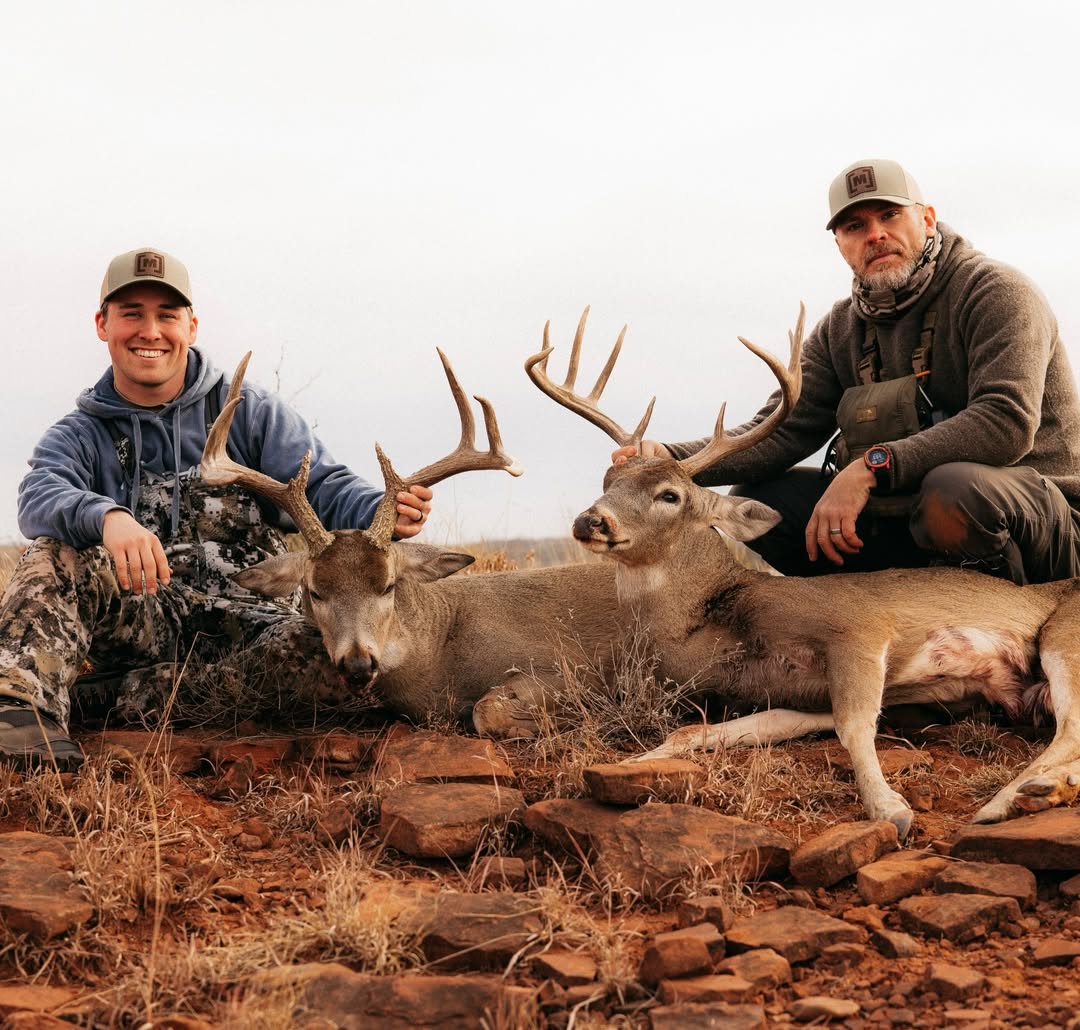
January tracking is not about speed—it’s about reading intent. When temperatures plunge and snow locks the landscape in place, deer leave behind some of the most honest sign of the entire season. For hunters willing to slow down and think like a deer in survival mode, deep-freeze tracking can reveal exactly where deer live, move, and feed.
This guide breaks down how to track deer effectively during January hunts, when cold and pressure strip movement down to its essentials.
1. Why January Is the Best Month for Honest Tracking
In early season, deer wander. In January, they don’t.
Late winter forces deer to:
- Minimize movement to conserve calories
- Travel predictable routes between bedding and food
- Avoid open areas and human pressure
- Reuse the same trails day after day
Snow preserves these decisions clearly. Every track you see tells a survival story.
Key mindset:
January tracks show where deer must be, not where they might go.
2. Learning to Read Track Quality in Extreme Cold
Not all tracks are equal in January.
Fresh Tracks
- Sharp edges
- Powder kicked up inside the print
- Snow crystals not yet melted or glazed
Fresh tracks often indicate movement within the last few hours—prime information for same-day hunts.
Old Tracks
- Rounded edges
- Wind-blown snow inside
- Hardened or glazed surfaces
Old tracks still matter. In January, repeated use of the same trail confirms core travel routes, even if the track isn’t fresh.
3. Understanding Direction of Travel
Many hunters follow tracks without asking why the deer was moving.
Ask yourself:
- Is this deer heading toward food or bedding?
- Is the track moving uphill or downhill?
- Is it crossing wind or moving with it?
January Pattern:
- Morning tracks usually lead back to bedding
- Midday tracks often move short distances within cover
- Late-day tracks head toward food, but often stop short of open fields
Tracking direction tells you when to hunt the route—not just where.
4. Following Tracks Without Blowing Deer Out
In January, deer tolerate very little pressure.
Tracking rule:
Never walk directly in the track line.
Instead:
- Parallel the trail 10–30 yards downwind
- Use cover to stay hidden
- Glass ahead before moving
Your goal is to intercept, not chase.
If tracks lead into thick bedding cover, back off. That location is valuable—but pushing in often educates deer and ruins future sits.
5. Snow Depth Changes Tracking Strategy
Shallow Snow
- Tracks are lighter and less defined
- Deer may wander more
- Focus on trail intersections and crossings
Deep Snow
- Movement shrinks dramatically
- Deer stick to packed trails
- Energy conservation becomes visible
In deep snow, one good trail is worth more than ten random tracks.
6. Identifying Mature Buck Tracks in January
After months of pressure, mature bucks leave fewer tracks—but they’re still distinct.
Look for:
- Wider tracks with rounded toes
- Staggered gait and longer stride
- Trails that avoid open ground
Bucks often travel alone or behind does, using the same trail but stepping slightly off-line.
January advantage:
Snow reveals size differences clearly, helping you decide which tracks deserve your time.
7. Using Tracks to Choose Stand Locations
Tracking isn’t just about following—it’s about planning future hunts.
Tracks can reveal:
- Entry and exit points to bedding cover
- Preferred crossings
- Wind-safe travel routes
Once identified:
- Set stands downwind of these routes
- Focus on narrow corridors rather than open trails
- Hunt during weather changes or warming trends
Tracks tell you where to sit, not just where to walk.
8. Reading Track Behavior Near Food Sources
In January, deer rarely rush into open food.
Signs to watch:
- Tracks stopping short of field edges
- Loitering trails inside cover
- Multiple exit paths
This behavior signals caution.
Stand tip:
Position stands inside cover, not on the open edge. Deer often pause, feed lightly, or turn back before fully committing.
9. Weather Effects on Track Interpretation
Cold affects how tracks age.
- Extreme cold preserves tracks longer
- Sun exposure degrades tracks faster
- Wind fills shallow prints quickly
Always evaluate tracks relative to:
- Temperature shifts
- Wind direction
- Recent snowfall
Context matters more than appearance alone.
10. Final Thoughts: Track With Purpose
Tracking deer in January is not about chasing fresh sign endlessly. It’s about understanding:
- Why deer moved
- Where they conserve energy
- How pressure shaped their decisions
When you read tracks as evidence of survival strategy, you gain insight no trail camera can provide.
Slow down. Think critically. Let the snow teach you.
January tracks don’t lie.
