
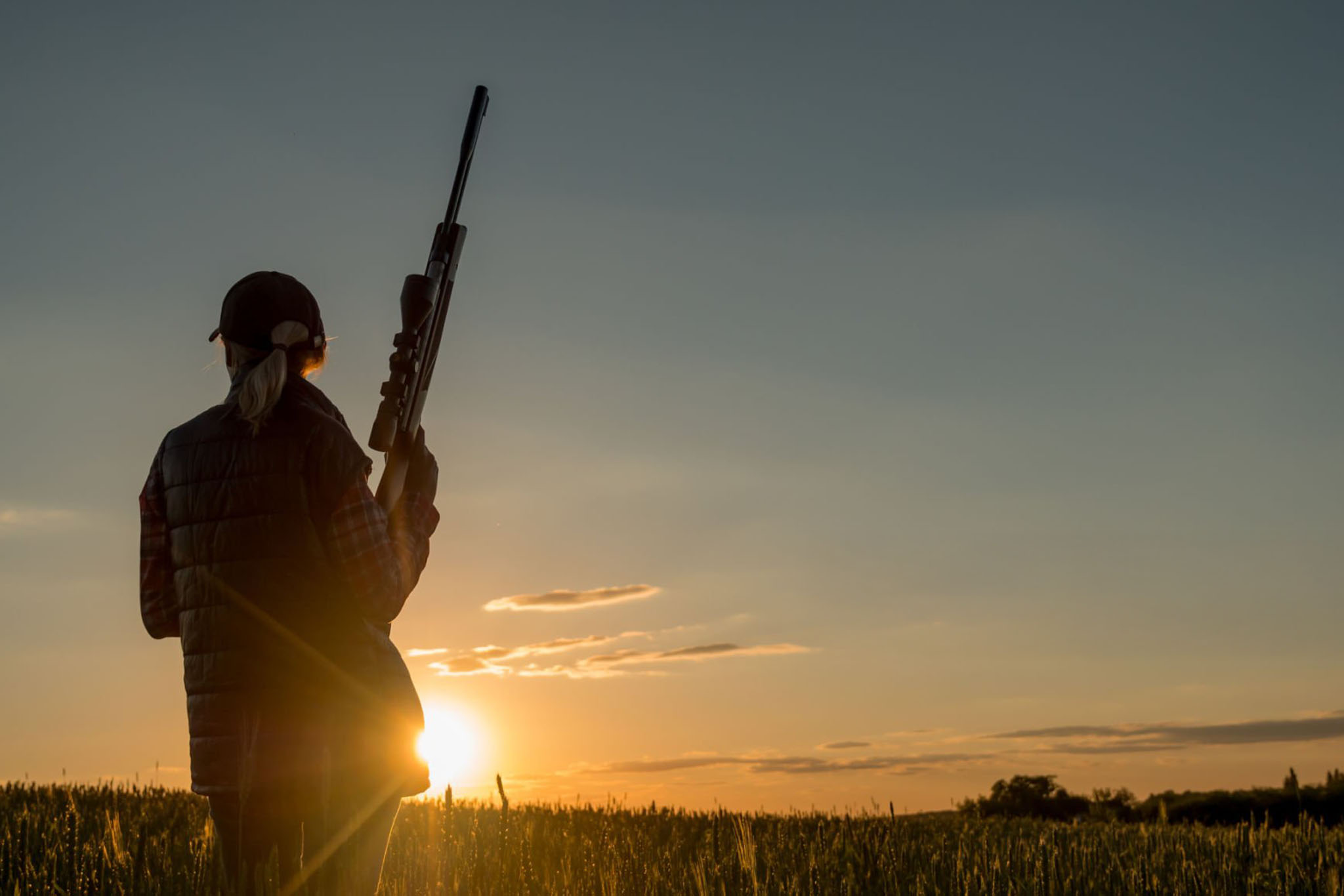
Hunting during the dead of winter challenges even the most experienced outdoorsmen. The coldest weeks of January and February bring frozen trails, heavy snow, and highly selective game movement. In these conditions, choosing the right elevated stand can make the difference between a successful hunt and a long day in the cold.
This guide outlines how to locate, select, and use elevated stands to maximize your chances during the harshest weeks of winter.
1. Why Elevated Stands Matter in Winter
Elevated stands offer several advantages that are particularly critical during extreme cold:
- Visibility: Snow-covered terrain makes it easier to spot tracks and movement from above.
- Scent Control: Cold air settles in low areas, so sitting above ground reduces the chance that deer will catch your scent.
- Reduced Ground Noise: Walking on frozen or slushy ground generates unavoidable noise; a stand minimizes the need for movement during hunting hours.
- Thermal Advantage: Even a small elevation allows for better exposure to the sun and wind protection, improving comfort.
2. Key Factors in Choosing Elevated Stand Locations
A. Topography and Slope
- Look for hillsides or ridgelines where deer travel naturally during winter.
- South-facing slopes warm faster in winter, attracting deer earlier in the day.
- Avoid deep frost pockets or low areas that accumulate snow and ice.
B. Deer Movement Patterns
- Track bedding to feeding routes using fresh sign in snow.
- Elevated stands near funnels, pinch points, or trail intersections increase odds of encountering game.
- Observe deer behavior for a few days before setting your stand, noting areas of high traffic.
C. Sunlight and Wind Direction
- Morning sun exposure can encourage early movement.
- Avoid facing the stand into prevailing winds to reduce scent detection.
- Use natural windbreaks like trees or brush to shelter against biting cold.
D. Cover and Camouflage
- Stands near evergreen trees, brush edges, or natural shelter provide visual concealment.
- Avoid bare spots where deer may detect unnatural shapes or shadows.
- Consider seasonal camouflage gear to blend with snow-dusted surroundings.
3. Elevated Stand Types for Cold Weather
A. Ladder Stands
- Provide easy access and stability in icy conditions.
- Ladder rungs can become slippery; add non-slip coatings or traction strips.
- Ideal for long sits during freezing temperatures.
B. Hang-On Stands
- Lightweight and portable for quick setup in targeted winter hotspots.
- Ensure tree selection is sturdy and the stand is securely fastened to prevent swaying in wind.
C. Climbing Stands
- Great for thick winter cover where ladder access isn’t feasible.
- Requires careful practice and safety checks, especially on snow- and ice-covered trees.
Safety Tip: Always wear a full-body safety harness, especially in icy conditions where slips are more likely.
4. Timing Your Hunt from Elevated Stands
Winter deer movement differs from fall hunting patterns:
- Midday Feeding: Deer may delay morning feeding in the coldest weeks and move toward bedding areas later.
- Shorter Windows: Limited daylight and cold temperatures mean less overall movement.
- Thermal Pockets: Deer often travel along sunny slopes or near wind-protected areas. Position your stand to take advantage of these patterns.
5. Winter Stand Comfort and Gear Tips
A. Insulation
- Use insulated seat pads or portable foam cushions to prevent cold transfer from metal or wet surfaces.
- Layer clothing appropriately to allow for minimal movement while staying warm.
B. Footwear
- Waterproof, insulated boots with non-slip soles are essential on icy rungs and platforms.
- Consider wool or synthetic socks for moisture control and warmth.
C. Accessories
- Binoculars and rangefinders should be fog- and snow-resistant.
- Hand and toe warmers improve comfort during long sits.
- Carry a small emergency kit for frostbite prevention or minor injuries.
6. Post-Hunt Stand Maintenance
- Remove snow and ice buildup from rungs and platforms after each hunt.
- Inspect straps, cables, and bolts for wear due to freezing temperatures.
- Store stands in a dry location between hunts to extend lifespan.
Pro Tip: Elevate stands slightly off the ground in storage to prevent moisture damage.
7. Advanced Winter Stand Strategies
- Multi-Stand Rotation: Use multiple stands to adjust based on fresh snow patterns and deer movement.
- Trail Interception: Position stands at natural deer corridors rather than open feeding areas.
- Thermal Observation: Note sun angles and shaded areas; even small temperature differences affect deer timing.
- Silent Entry: Minimize approach noise by walking on frozen crusts and using pre-set trails.
8. Conclusion
Finding the best elevated stands during the coldest weeks requires a combination of terrain knowledge, deer behavior observation, and winter-specific gear preparation. Key takeaways include:
- Prioritize south-facing slopes, high-traffic deer funnels, and wind-protected areas.
- Use ladder, hang-on, or climbing stands safely with proper harnesses and winter gear.
- Optimize comfort and warmth with insulation, waterproof footwear, and layered clothing.
- Adjust hunting strategies based on limited movement windows, thermal pockets, and fresh snow tracking.
By carefully selecting stands and preparing for the harsh winter environment, hunters can maximize success, stay safe, and enjoy productive hunts even during the coldest weeks of the season.
