
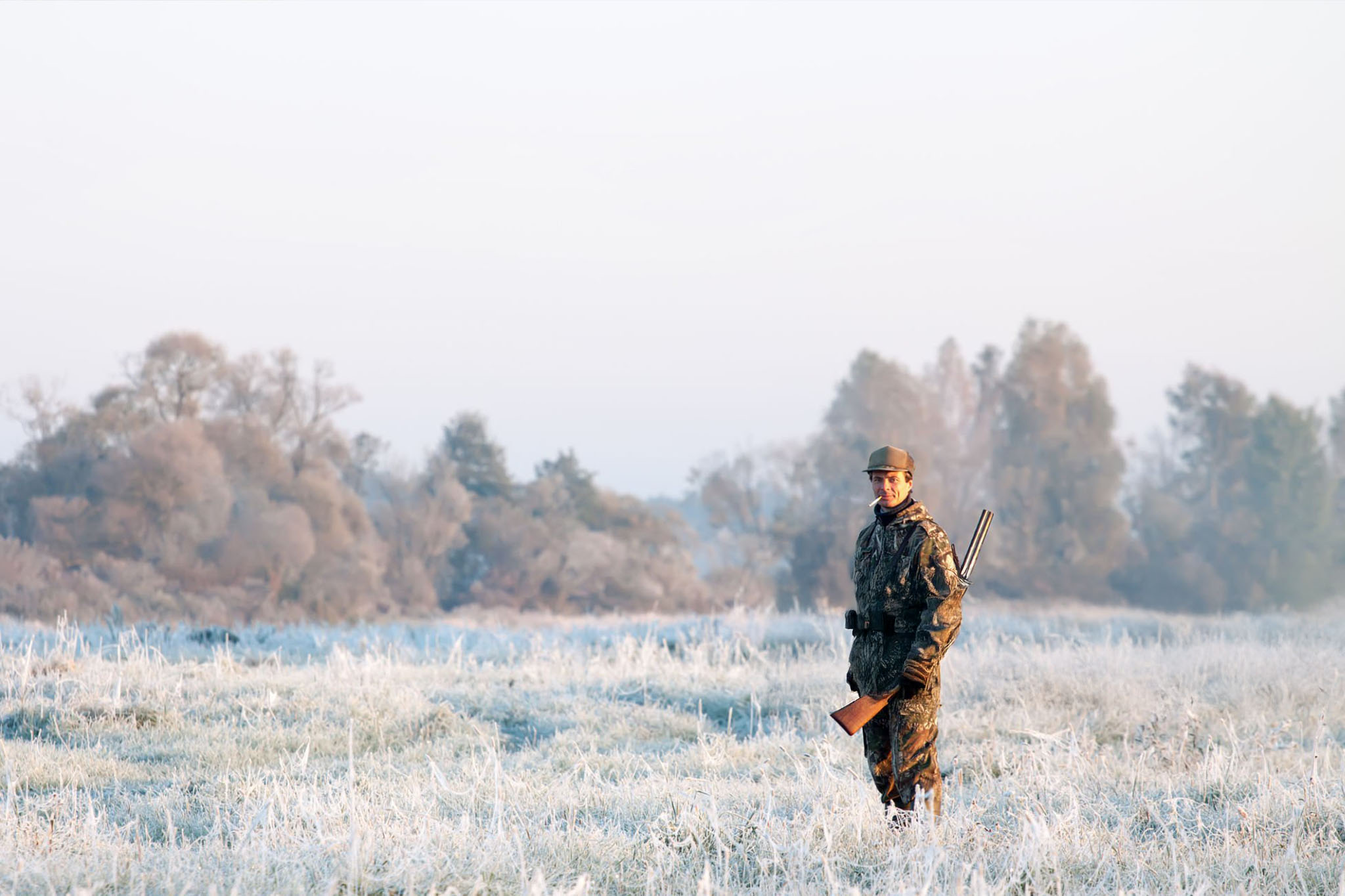
Late winter is one of the most challenging periods for hunters. Snow-covered landscapes, scarce forage, and unpredictable weather make deer movements less obvious. However, understanding hidden bedding areas can dramatically improve your success. Bedding sites are where deer spend most of their day conserving energy, escaping predators, and waiting for optimal feeding times. Knowing where and why deer choose these spots in late winter is a skill that separates successful hunters from the rest.
1. Why Bedding Areas Matter in Late Winter
Deer in late winter are focused on energy conservation. Food is limited, and the last of the winter mast has been eaten. Bedding areas:
- Offer shelter from harsh winds and snow
- Provide cover from predators and human disturbance
- Allow deer to conserve body heat and energy
Understanding these patterns means you can position stands and blinds strategically, reducing guesswork and increasing your odds of spotting a deer.
2. Typical Locations of Hidden Bedding Areas
While deer bedding spots can vary, certain characteristics consistently appear in late winter:
A. South-Facing Slopes:
- Receive early sunlight, warming soil and snow patches.
- Encourage snow to melt faster, revealing residual browse.
B. Dense Brush Pockets:
- Thickets of cedar, juniper, or hawthorn provide visual cover.
- Offer protection from wind and give a sense of security.
C. Elevated Ridges or Hills:
- Allow deer to survey surroundings for predators.
- Often have slightly shallower snow compared to lowlands.
D. Near Water Sources:
- Small streams, ponds, or wetland edges may remain partially unfrozen.
- Provide essential hydration and attract early winter forage.
E. Transitional Areas:
- The edges between open fields and dense forest cover.
- Give quick access to both feeding areas and shelter.
3. How to Identify Hidden Bedding Areas
Finding hidden bedding areas is more art than science, but some indicators help:
A. Tracks and Trails:
- Narrow, concentrated trails often lead to bedding zones.
- Look for multiple tracks converging at a single spot, usually shielded by brush.
B. Droppings (Scat):
- Fresh pellet groups indicate recent bedding.
- Scat near brush edges or under dense cover is a strong clue.
C. Rubs and Scrapes Nearby:
- Bucks often rub antlers on saplings near bedding areas.
- Scrapes may mark transition zones between bedding and feeding areas.
D. Vegetation Disturbance:
- Flattened grass or trampled snow under dense shrubs signals bedding spots.
E. Snow Shadows:
- Even subtle depressions in snow under cover can reveal where deer bedded overnight.
4. Timing Your Hunt Around Bedding Patterns
Deer spend most of the day in bedding areas, making timing crucial:
- Morning: Many deer leave beds to feed in fields or open woodlands.
- Midday: Deer often remain hidden; hunting near bedding areas mid-day can be fruitless unless using a ground blind or a long-range observation spot.
- Late Afternoon / Evening: Deer often return to bedding areas, providing excellent opportunities if you anticipate their routes.
Tip: Position stands downwind of bedding areas, and use natural funnels like narrow corridors to intercept deer safely.
5. Strategies for Hunting Hidden Bedding Areas
A. Approach Quietly and Strategically:
- Use snow conditions to your advantage; dry powder snow amplifies movement.
- Avoid breaking twigs and use existing deer trails whenever possible.
B. Use Natural Funnels:
- Look for narrow openings between dense cover leading to bedding areas.
- Deer prefer paths requiring minimal effort and maximum concealment.
C. Consider Thermal Cover:
- Deer seek sheltered spots with better temperature regulation.
- Look for south-facing slopes or dense cedar pockets during cold snaps.
D. Stay Observant for Subtle Clues:
- Deer often leave small signs like bent branches, trampled snow, or partially eaten browse at bedding site edges.
- Note these signs over multiple days for accurate patterns.
6. Safety and Ethical Considerations
Hunting near hidden bedding areas requires care:
- Avoid excessive disturbance; repeated pressure can stress deer and cause abandonment of prime bedding spots.
- Always check local regulations, as some areas may restrict hunting near bedding zones for wildlife protection.
- Use caution in thick cover to prevent slips, falls, or encounters with other hunters.
7. Advanced Tips for Late Winter Bedding Hunts
- Trail Cameras: Place cameras along suspected trails to confirm deer use before committing to a stand.
- Wind Awareness: Even light scents can be carried into bedding areas; position yourself downwind.
- Layered Observations: Watch how deer shift between bedding and feeding as weather warms or snow melts.
Pro Tip: Bedding areas often remain consistent year after year, making them excellent long-term scouting targets.
Conclusion
Hidden bedding areas are the secret to successful late winter hunts. By understanding where deer rest, why they choose specific spots, and how they move between bedding and feeding, hunters gain a significant advantage. Observing snow patterns, tracks, scat, and vegetation disturbances allows for strategic stand placement and minimal disturbance, increasing the chances of a productive hunt.
Mastering hidden bedding areas now not only improves your late winter hunting success, but also sets the stage for early spring scouting and next season’s strategies.
