
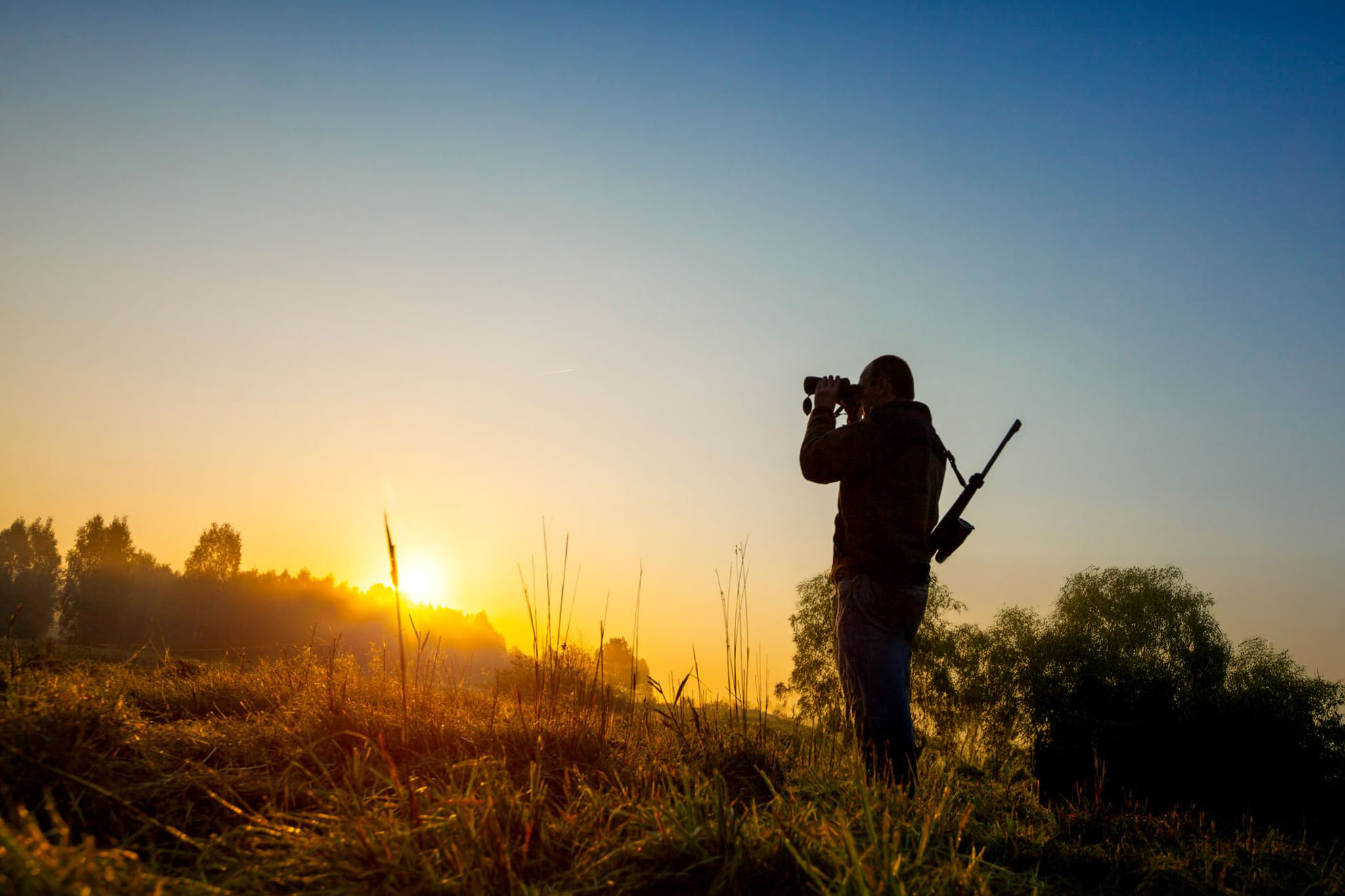
Late winter exposes the truth about deer behavior. When food is limited, temperatures swing hard, and pressure has worn bucks thin, whitetails choose terrain that helps them survive with the least effort. One feature rises above the rest this time of year: south-facing slopes.
Understanding why deer gravitate to these slopes in late winter can dramatically improve your odds—especially when hunting pressured ground or overlooked public land.
Sun Exposure Changes Everything in Late Winter
In the Northern Hemisphere, the sun rides low in the southern sky during winter. That angle matters more than most hunters realize.
South-facing slopes receive:
- More direct sunlight throughout the day
- Faster snow melt and drier footing
- Warmer ground temperatures, even on cold days
For deer conserving energy, this isn’t a comfort issue—it’s survival. Warmer ground means less calorie burn, easier movement, and longer feeding windows.
Thermal Advantage Without Wind Exposure
Deer don’t just seek warmth—they seek controlled warmth.
South-facing slopes often sit just below ridgelines, allowing bucks to:
- Avoid harsh north and west winds
- Bed with the wind at their back and vision downhill
- Monitor multiple approach routes while staying protected
This positioning gives mature bucks a security advantage during the most vulnerable time of year.
Bedding Behavior Shifts Late in the Season
Late winter bedding is about efficiency, not dominance.
On south-facing slopes, look for beds that:
- Tuck into benches or small shelves
- Sit near thick cover or brush pockets
- Overlook trails, logging roads, or open timber
These beds may differ from early-season locations, but the terrain features themselves stay consistent year after year.
Snow Conditions Concentrate Movement
When snow is deep, deer instinctively choose paths of least resistance.
South-facing slopes often:
- Hold less snow due to sun exposure
- Develop firm travel routes earlier in the day
- Create predictable side-hill trails
This concentrates deer movement into narrow corridors—prime ambush locations if you time it right.
Food Availability Improves Faster
As winter drags on, deer rely heavily on any food they can access efficiently.
South-facing slopes:
- Expose browse earlier than shaded areas
- Support green-up days or weeks sooner
- Hold acorns and mast longer under lighter snow cover
Even minimal food advantage can turn a slope into a late-season hotspot.
Why Mature Bucks Prefer These Slopes
Mature bucks are energy managers.
By late winter, they’ve:
- Burned fat reserves during the rut
- Faced constant hunting pressure
- Learned where danger typically comes from
South-facing slopes offer a rare combination of:
- Visibility
- Thermal relief
- Escape routes into thick cover
This makes them ideal locations for bucks that survived the season.
How to Hunt South-Facing Slopes Effectively
Late winter hunting requires patience and precision.
Key tactics include:
- Hunt midday when sunlight pulls deer out of cover
- Set up just below bedding areas, not on top of them
- Use the wind to approach from below whenever possible
- Focus on transitions between open timber and thick cover
Avoid skyline movement. Deer bedded on slopes often watch downhill while scent-checking uphill.
Overlooked on Maps, Obvious in the Field
Many hunters overlook south-facing slopes because they don’t always show up clearly on digital maps.
Late winter is the best time to:
- Walk these slopes and identify beds
- Mark trails before spring growth hides them
- Plan fall stand locations using winter sign
What looks empty in October may be loaded with information in February.
Late Winter Success Is Terrain-Driven
Late-season whitetail hunting isn’t about grinding harder—it’s about hunting smarter.
South-facing slopes stack the odds in your favor by offering deer exactly what they need when conditions are toughest. If you learn to recognize and hunt them now, you’re not just improving late-winter hunts—you’re setting yourself up for success next fall.
When everything else feels cold, empty, and quiet, south-facing slopes still tell a story. You just have to read it.
