
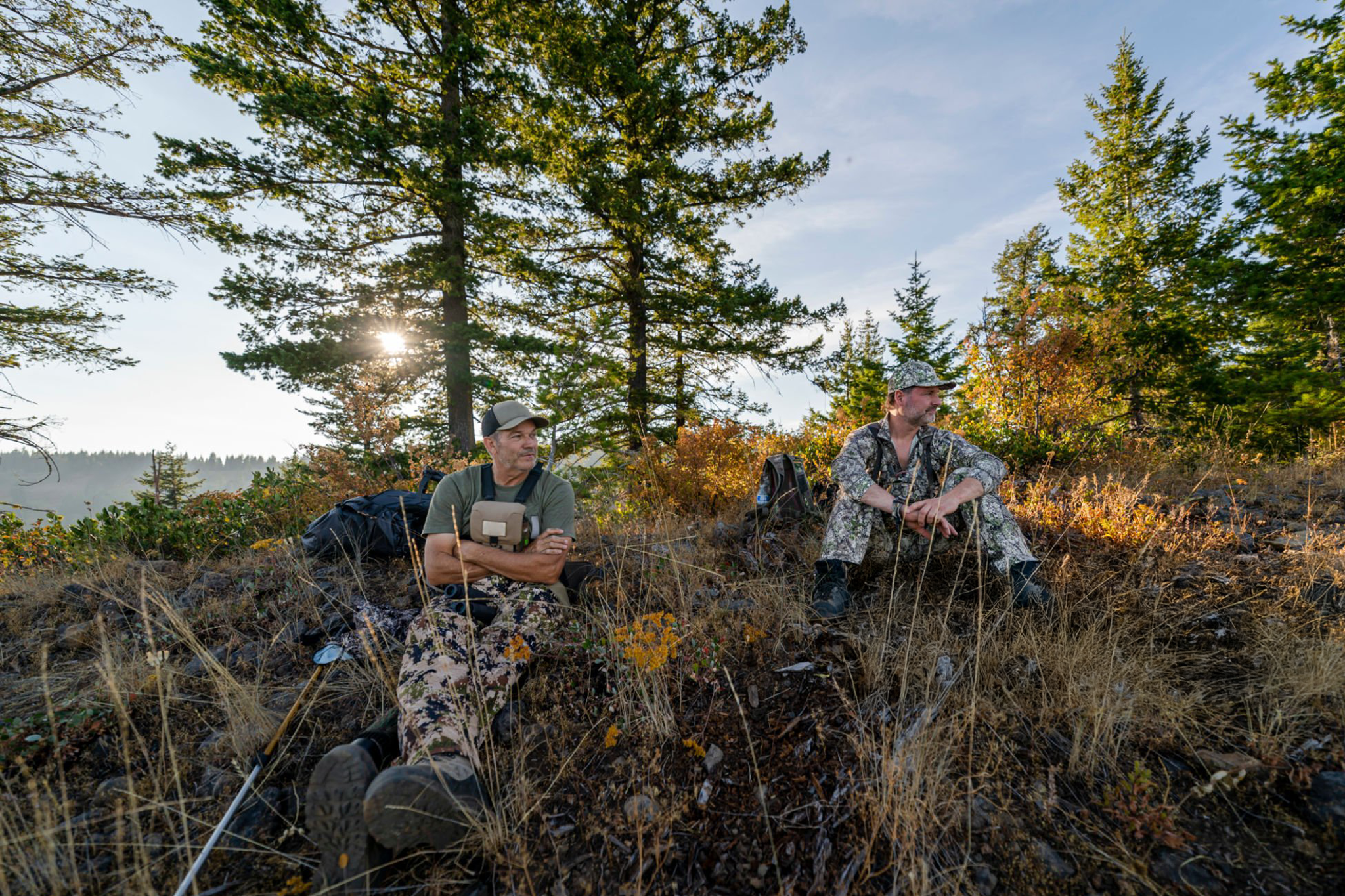
Late winter is one of the most challenging times to hunt deer. Food is scarce, cover is limited, and cold weather forces deer to conserve energy. Yet, understanding how tree lines and brush pockets influence deer movement can dramatically improve your success on the stand or in the field.
By paying attention to these natural landscape features, hunters can predict travel routes, locate bedding areas, and make more informed decisions about stand placement and calling strategies.
Why Tree Lines and Brush Pockets Matter in Late Winter
Deer rely heavily on natural cover during the harsh late-winter months. Two key features dominate their movement patterns:
- Tree Lines
- Act as sheltered travel corridors, especially across open fields or farmland
- Provide protection from wind, predators, and human activity
- Offer access to leftover browse such as buds, twigs, and bark
- Brush Pockets
- Dense clusters of shrubs, saplings, or fallen timber
- Provide concealed bedding and feeding spots
- Serve as resting areas during daylight hours, particularly in cold or snowy conditions
Deer use a combination of these features to minimize exposure, conserve energy, and move safely between feeding and bedding areas.
How Deer Use Tree Lines
Tree lines are more than just borders—they act as highways for deer movement:
- Edge Travel: Deer often travel along the edges of tree lines to stay in cover while moving between feeding areas.
- Wind and Scent Management: The dense vegetation blocks wind, reducing scent drift and giving deer safer passage.
- Temperature Moderation: Trees block wind and trap heat, creating microclimates that deer prefer for low-energy winter movement.
Hunting Tip: Place your stand at intersections of tree lines and open areas, where deer are funneled along predictable paths. Observing deer sign—like tracks or rubs—can confirm the most traveled corridors.
Understanding Brush Pockets
Brush pockets serve as mini safe zones for deer:
- Daytime Bedding: During harsh late-winter weather, deer retreat to dense brush pockets to conserve heat and avoid predators.
- Feeding Havens: Even in winter, small pockets of browse can sustain deer. They may linger here longer if food is scarce elsewhere.
- Transition Zones: Brush pockets often connect to tree lines, stream edges, or agricultural fields, creating predictable movement funnels.
Hunting Tip: Look for trails entering and exiting brush pockets. Deer often leave these safe zones at first light or just before dark to feed.
How to Identify High-Value Travel Corridors
Not all tree lines or brush pockets are equal. Here’s how to spot the ones deer actually use:
- Track Patterns: Look for multiple sets of tracks or well-worn paths leading in and out.
- Browse Marks: Twigs, buds, and bark stripped from shrubs indicate deer feeding activity.
- Rubs and Scrapes: Especially along tree lines, these marks often indicate territory and frequent travel.
- Natural Funnels: Look for narrow passes between dense cover and open areas—these naturally guide deer movement.
Pro Tip: Late winter often concentrates deer into smaller areas. Focus on north-facing slopes, protected hollows, and wind-sheltered corridors.
How Weather Influences Movement
Tree lines and brush pockets are even more critical when winter weather gets extreme:
- Snow Depth: Deer avoid deep snow by sticking close to tree lines or brush that reduce snow accumulation.
- Wind Direction: Sheltered tree lines and brush pockets allow movement upwind or downwind without exposing the deer.
- Temperature Fluctuations: Deer move more during warmer mid-day periods in winter, often using cover to reach feeding areas safely.
By considering these factors, hunters can time their hunts for maximum deer activity.
Stand Placement Strategies
Using tree lines and brush pockets effectively requires smart stand placement:
- Corner Stands: Position your stand at a corner of a tree line or brush pocket to catch deer entering or leaving.
- Trail Intersections: Identify where multiple trails converge; these are natural pinch points.
- High-Visibility Access: Deer often walk along the edges of cover. Avoid setting up directly in the thickest brush where your silhouette is obvious.
- Wind Awareness: Always position yourself downwind of travel corridors to reduce the chance of being scented.
Common Mistakes to Avoid
- Ignoring micro-cover: Not all brush is equal; focus on areas deer actively use.
- Over-hunting a single corridor: Deer may change patterns in late winter if pressure is high.
- Setting stands too deep in cover: Deer often prefer edges where visibility is better.
- Neglecting weather effects: Snow and wind can reroute deer from your favorite corridor—stay flexible.
Final Thoughts
Late winter hunting is a game of observation and understanding deer behavior under harsh conditions. Tree lines and brush pockets are more than landscape features—they are the highways, rest stops, and survival zones deer rely on.
By studying these areas, monitoring sign, and strategically placing stands along travel corridors, hunters can anticipate movement, minimize guesswork, and increase success rates.
Remember: in late winter, success isn’t about luck—it’s about reading the land and following the deer’s natural patterns.
