
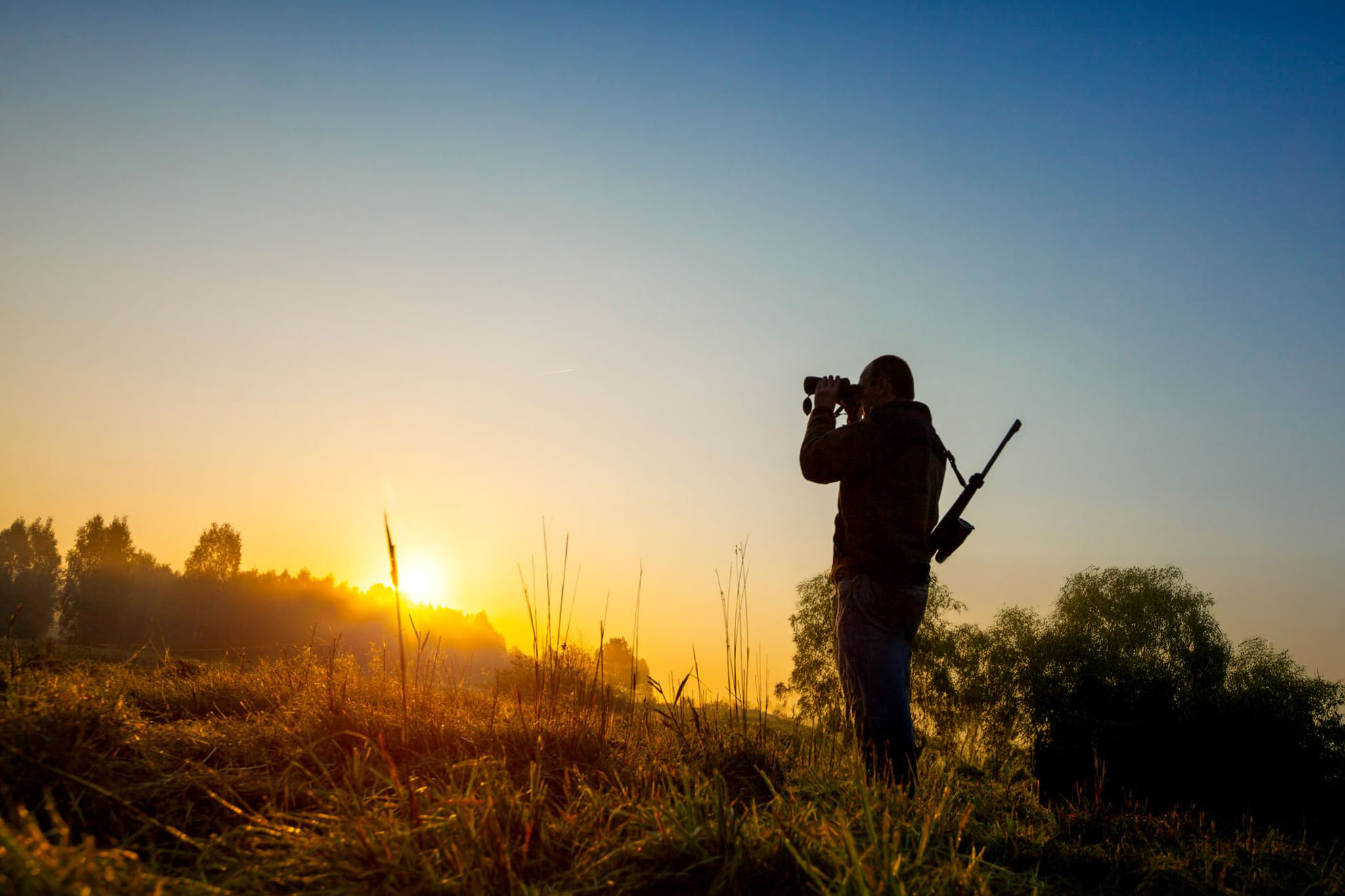
Cold weather changes everything in the woods. Frozen leaves crackle, snow squeaks under pressure, and bare timber offers nowhere to hide. In winter, deer don’t need to see you to know you’re there—they hear you coming long before you arrive.
When conditions are harsh and pressure is high, how you move matters more than where you hunt. Silent movement is no longer a nice advantage—it’s a requirement.
This article breaks down proven cold-weather movement strategies that help you stay undetected and keep deer calm when the woods are unforgiving.
Why Cold Weather Amplifies Your Mistakes
In warm conditions, background noise hides small errors. Wind moves leaves, insects hum, and vegetation softens footfalls. Winter removes all of that.
Cold conditions mean:
- Frozen ground amplifies sound
- Snow broadcasts pressure
- Bare branches reveal movement
- Still air carries noise farther
Deer in winter are already alert. One unnatural sound often ends movement for the rest of the evening.
Slow Is Quiet—and Quiet Is Deadly
Speed is the enemy of stealth in cold weather.
Effective winter movement starts with:
- Short, deliberate steps
- Rolling your foot heel-to-toe
- Pausing every few steps
- Letting sound fade before moving again
Think like still-hunting predators. The goal isn’t distance—it’s invisibility.
Choosing the Quietest Route, Not the Shortest One
The fastest way to a stand is rarely the best in winter.
Quiet travel routes include:
- Bare dirt paths
- Leaf-blown ridges
- Creek beds with soft bottoms
- Grass edges over crunchy timber
Avoid:
- South-facing slopes with frozen leaves
- Thick hardwood flats after a freeze
- Crusted snow in open timber
A longer, quieter route keeps the woods settled—and deer relaxed.
Snow Tells on You—Unless You Work With It
Snow can be your enemy or your ally.
Moving Quietly in Snow
- Walk in existing tracks when possible
- Step where snow is shaded and soft
- Break crust slowly with controlled pressure
- Use downed logs to cross loud areas
When Snow Is Too Loud
If every step sounds like glass breaking, don’t force it. Sometimes the smartest move is not moving at all.
Late-season deer often move first. Let them.
Wind Is More Than Scent Control
Most hunters think of wind only in terms of smell. In winter, wind also controls sound.
Use wind to:
- Mask minor noise
- Cover entry movement
- Break up unnatural sounds
On calm, cold days, assume every noise travels twice as far. Those are days for minimal movement and longer sits.
Clothing Noise: The Overlooked Problem
Cold-weather layers can betray you.
Quiet movement requires:
- Soft outer fabrics
- Minimal dangling gear
- Secure pack straps
- Controlled arm movement
Even brushing a sleeve against frozen bark can end a hunt.
Test your gear before the season. If it makes noise in the cold, it doesn’t belong in the woods.
Micro-Movements in the Stand Matter Too
Stealth doesn’t end once you’re set up.
In winter:
- Movements are more visible
- Deer approach cautiously
- Shots happen quickly
Reduce motion by:
- Pre-positioning your feet
- Keeping hands warm to avoid shaking
- Planning your draw or shoulder movement
A calm setup leads to calm deer.
Timing Your Movement With Deer Behavior
Cold-weather deer move in short, predictable windows.
Move when:
- Wind increases slightly
- Snow begins falling
- Light levels drop
- Other deer movement masks your presence
Avoid movement when the woods are still and quiet—those moments belong to the deer.
Exit Without Breaking the Spell
A careless exit can ruin future hunts.
Winter exit discipline:
- Wait until full dark
- Move slower leaving than entering
- Avoid crossing feeding areas
- Keep lights low and pointed down
Deer remember disturbance patterns. Ending quietly protects future opportunities.
Final Thoughts: Silence Is a Skill
Silent movement isn’t luck—it’s learned behavior.
Cold weather strips hunting down to fundamentals. When you master quiet movement, you stop fighting the conditions and start using them.
In winter, the best hunters aren’t unseen.
They’re unheard.
And that makes all the difference.
