
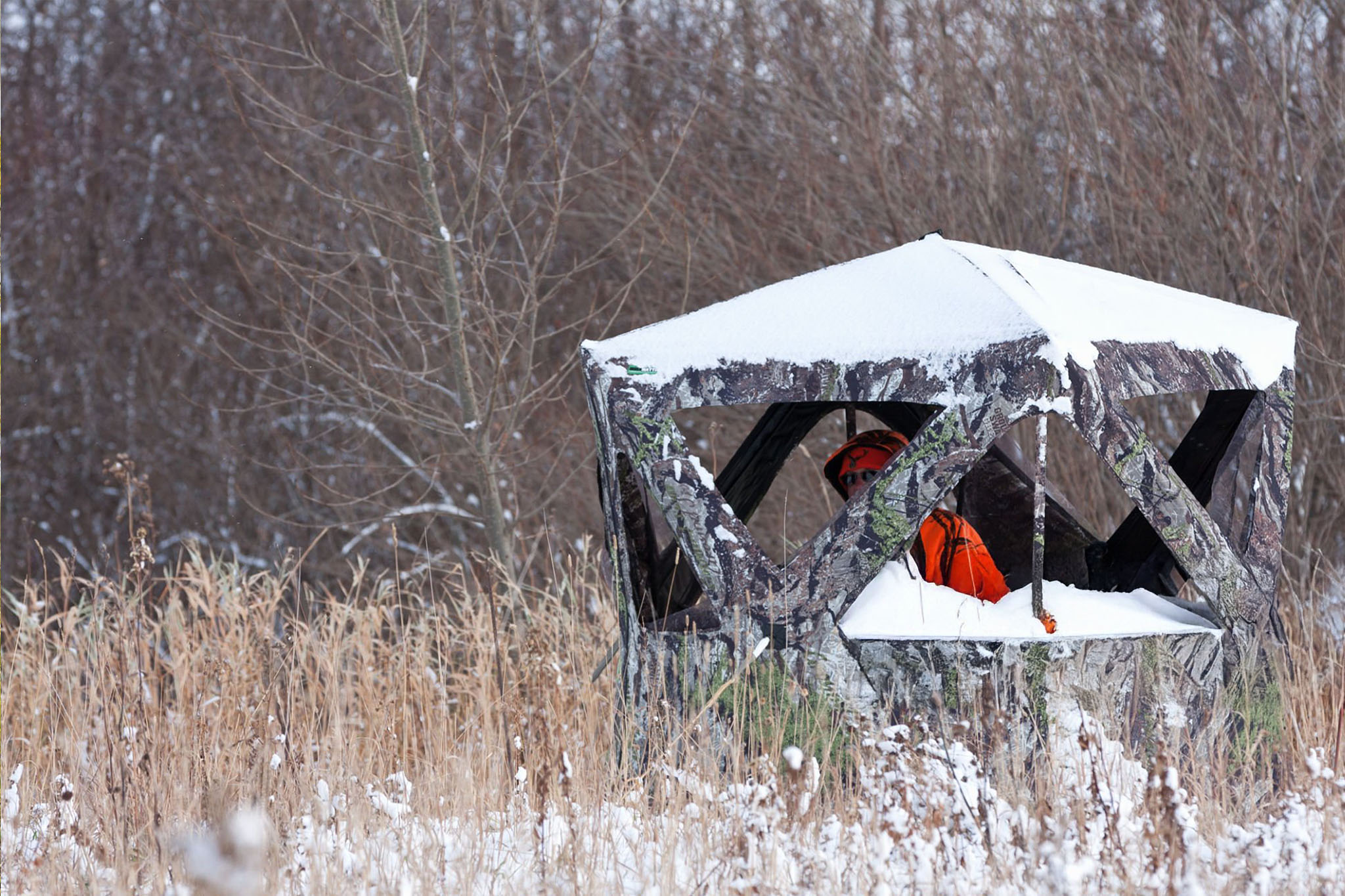
Late winter is the quiet season most hunters waste. Tags are filled or expired, seasons are closed, and the woods feel empty. But for disciplined hunters, this is when real understanding begins.
Late-winter scouting isn’t about chasing animals—it’s about learning without pressure. With no leaves on the trees, no hunting activity, and sign frozen in place, the landscape tells stories it never reveals during the season.
If cabin fever has you itching to get outside, channel that energy into scouting that actually pays off next fall.
Why Late-Winter Scouting Is the Most Honest Scouting
Late winter strips away guesswork.
By this point:
- Vegetation is minimal
- Trails are clearly defined
- Beds are easy to identify
- Human pressure has ended
You’re seeing how animals used the property when survival mattered most. That information is far more valuable than what you see during early season abundance.
Late-winter scouting reveals why animals moved—not just where.
Focus on Travel, Not Just Sign
It’s tempting to mark every track, rub, and scrape you find. Resist that urge.
Instead, focus on:
- How animals connect bedding to food
- Where terrain funnels movement naturally
- Which routes offer cover and efficiency
Look for:
- Trails hugging contours
- Crossings through thick cover
- Routes that avoid open exposure
These travel corridors often remain relevant year after year, especially for mature animals.
Bedding Areas Tell the Whole Story
Late winter makes bedding areas impossible to ignore.
Key bedding indicators:
- Flattened snow or leaves
- Hair in depressions
- Beds on south-facing slopes
- Wind-protected ridges or edges
Pay attention to:
- How many beds are grouped together
- Sight lines from each bed
- Escape routes downhill or into cover
These locations explain daylight movement better than any trail camera ever will.
Map the Pressure You Didn’t See During Season
Late winter shows where animals avoided pressure, not just where they survived it.
Clues include:
- Trails skirting access roads
- Beds positioned to monitor human approach
- Movement concentrated in overlooked pockets
Mark:
- Easy human access points
- Over-hunted areas
- Funnels animals used to avoid disturbance
These insights help you plan future entry routes that don’t repeat old mistakes.
Identify Seasonal Food Patterns That Repeat
Even when food is scarce, animals don’t wander randomly.
Late-winter feeding clues:
- Browse lines on woody stems
- Nipped saplings and briars
- Remaining mast or grain
- Trails converging on small feeding areas
Note which food sources required the least exposure. Those spots often remain relevant during early and late seasons alike.
Use Late Winter to Plan Smarter Access
Access planning is one of the most overlooked scouting benefits.
Late winter allows you to:
- Test quiet entry routes
- Identify noisy terrain
- Find terrain features that conceal movement
Walk your future stand access from multiple angles. What feels easy in March might be impossible in October once vegetation returns.
Take Notes, Not Just Pins
Dropping GPS pins is helpful—but notes provide context.
Record:
- Wind direction for each bed
- Time of day the sign suggests movement
- Visibility from animal perspective
- How terrain shapes approach
This transforms random observations into actionable plans.
Don’t Over-Scout—Leave Something Uncertain
Late-winter scouting is about learning, not exhausting a property.
Avoid:
- Walking every ridge
- Trampling bedding areas repeatedly
- Turning scouting into intrusion
One or two focused visits often provide more clarity than endless wandering.
Turn Cabin Fever Into Confidence
Late winter gives hunters something rare: clarity without pressure.
You’re not guessing.
You’re not reacting.
You’re preparing.
When next season opens, the woods won’t feel unfamiliar—you’ll already understand how animals think there.
And that confidence changes everything.
Final Thoughts: The Woods Remember Winter
Animals adapt to winter in ways that shape their behavior year-round. The trails they chose, the beds they trusted, and the routes they avoided all leave lasting clues.
Late-winter scouting isn’t busy work.
It’s the foundation of smarter hunting.
So beat cabin fever the right way—
by learning now, when the woods are finally honest.
