
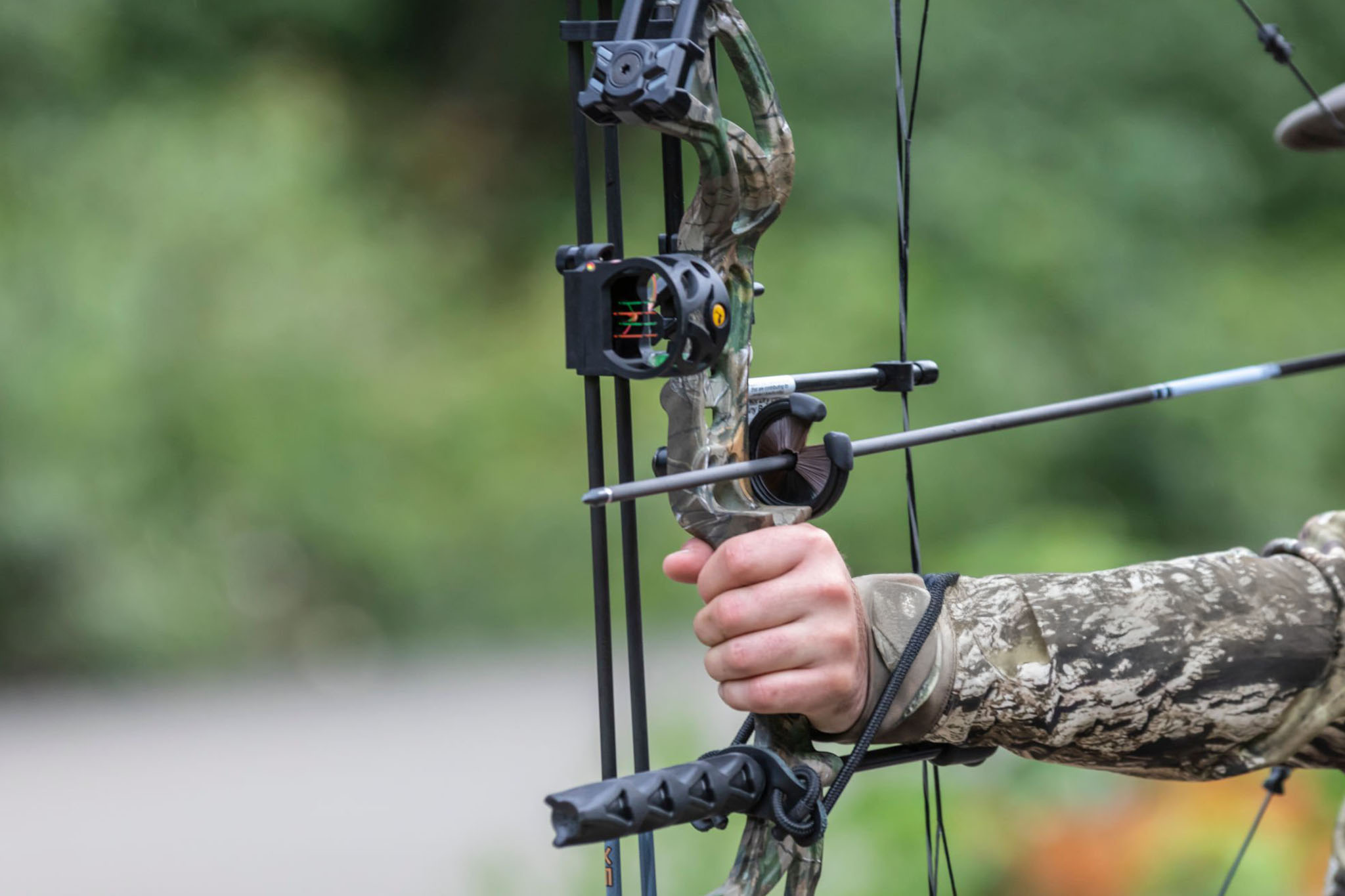
Late-season bowhunting is the definition of precision. Food is scarce, pressure is high, and mature bucks have seen every scent drag, decoy, and calling routine hunters can throw at them. But there’s one tactic that still works when everything else falls apart: Silent Ridge Running.
This method blends stealth mobility, micro-terrain reading, and timing to outsmart the smartest deer in the woods. It’s not a race—it’s controlled, intentional movement through the places bucks travel when they avoid open country. And when executed correctly, it puts you inside bow range of deer that most hunters never see again after gun season.
This is the stealth strategy seasoned late-season bowhunters swear by—and why it works so well when the weather turns brutal and the deer get cautious.
Why Ridges Become High-Traffic Zones in Late Season
When temperatures drop and hunting pressure peaks, deer shift into predictable survival patterns. Ridges offer three advantages bucks love:
1. Better Wind Coverage
Cold-season winds run more consistently along ridge tops, letting bucks scent-check wide sections of terrain with minimal movement.
A buck can “wind cruise” a ridge in minutes—meaning you need to be quiet and strategic when entering, setting up, or moving.
2. Solar Advantage
Even in winter, ridges pick up more sunlight than hollows and creek bottoms.
They warm faster during the day and cool slower at dusk, making them prime bedding and travel zones.
3. Escape Path Visibility
From a ridge spine, a buck can watch two or three escape routes at once without exposing himself.
This makes ridges prime spots for daylight movement, especially for survival-driven mature bucks.
The Silent Ridge Running Technique: Step by Step
This method isn’t aggressive tracking. It’s not still-hunting. It’s not traditional spot-and-stalk.
It’s a slow, methodical, ultra-stealth ridge crawl designed to keep your presence undetected.
1. Start High Before Sunrise
Late-season deer return to ridges before first light to warm up and scan for danger.
Get to your starting ridge 45–60 minutes before legal shooting time to let the woods settle after your entry.
Avoid walking on the skyline—hug the side slope 10–20 yards down until you reach your first position.
2. Move at a Pace That Feels Ridiculous—Then Slow Down More
Silent ridge running is painfully slow. You may cover only 100–150 yards in an hour.
Every step is deliberate.
Your goal:
Make no sound that a deer would associate with a human.
Brush scraping, twig snaps, compressed leaf crunches—mature bucks pick up on all of it.
Use your feet like you’re stepping onto glass:
- Roll heel to toe
- Pause halfway through each step
- Test pressure before committing weight
- Freeze when the wind stops
3. Hunt the Leeward Side of the Ridge
The downwind (leeward) side of a ridge is where mature bucks cruise late season.
They stay 20–30 yards below the crest where thermals and crosswinds mix and swirl, giving them maximum scent intel.
Walking slightly below the crest also hides your silhouette and keeps your movement natural.
Most bowhunters blow hunts by walking the top of the ridge.
Silent Ridge Running avoids that completely.
4. Use Micro-Terrain as Your Ambush Points
You’re not sprinting from ridge to ridge—you’re creeping between natural ambush pockets.
Ideal micro-terrain spots include:
✔ Subtle dips or bowls
✔ Transitions where hardwoods turn to pines
✔ Tight necks or saddle-like depressions
✔ Side-ridge fingers that drop into thick bedding
✔ Old logging cuts with fresh regrowth
Move silently ridge section —> ambush pocket —> ridge section —> ambush pocket
until you find the sign you want—or the deer find you.
5. Don’t Call, Don’t Rattle. Let the Woods Stay Quiet.
Late season is the worst time to be loud.
Bucks have heard every grunt tube and rattling antler in the county by now.
Silent Ridge Running works because you’re invisible.
The woods are cold and quiet.
Every unnatural sound travels farther.
Your greatest advantage is silence.
6. Stop and Scan Every 15–20 Yards
You’ll never see a late-season buck marching boldly across open terrain.
Instead, you’ll spot:
- A tine tip above brush
- A patch of hair in the shade
- A nose peeking around a log
- A tail flick deep in cover
The slower you scan, the more you see.
Bring binoculars—even in thick woods.
Glass everything as if you’re spotting mule deer.
7. Set Up Fast When You Spot Your Moment
When a deer is moving your direction or feeding in cover, you must be able to:
- freeze instantly
- draw slowly
- use the terrain to break your outline
- make a calm, controlled shot
There’s no stand.
No blind.
Just your patience, angles, and silence.
This is why Silent Ridge Running is a bowhunter’s art—not a tactic.
Why This Method Shines in Late Season
1. Deer Expect Hunters to Sit, Not Move
Most late-season hunters sit over:
- food plots
- standing corn
- creek crossings
- hay fields
- fence lines
Silent movement through ridge country breaks that pattern and puts you where pressured deer actually travel.
2. Bucks Become Predictable When Food Options Shrink
As natural browse drops, deer narrow their patterns:
- from big loops to small ones
- from random feeding to predictable bedding-to-feed routes
- from open areas to thick, thermal-cover ridges
A quiet hunter can intercept these routines with almost no intrusion.
3. Cold Air Helps Hide Sound and Scent
Cold air stays low, helping contain your footprint.
Snow, frost, and frozen leaves reduce ground scent—and sometimes even dampen noise.
This gives you a rare stealth advantage you won’t get in early season.
Gear to Optimize Silent Ridge Running
You don’t need fancy gear—just gear that keeps you quiet and warm:
- Soft-shell outer layers (no crunchy fabrics)
- Warm, thin base layers that allow mobility
- Lightweight boots with flexible soles
- Hand muff + warm gloves
- Minimal gear to reduce noise
- Rangefinder clipped to your chest
- A bow with a quiet-release setup
If your clothing swishes when you move, Silent Ridge Running won’t work.
Final Thoughts: The Ridge Is Where Late-Season Legends Are Made
Silent Ridge Running isn’t easy.
It requires patience, discipline, and the willingness to move like you’re part of the forest.
But when a heavy late-season buck slips along the ridge 30 yards below you and never hears your approach, the reward is unforgettable.
It’s the stealth method seasoned bowhunters swear by for one reason:
It puts you exactly where mature deer feel safe—and exactly where they least expect you.
