
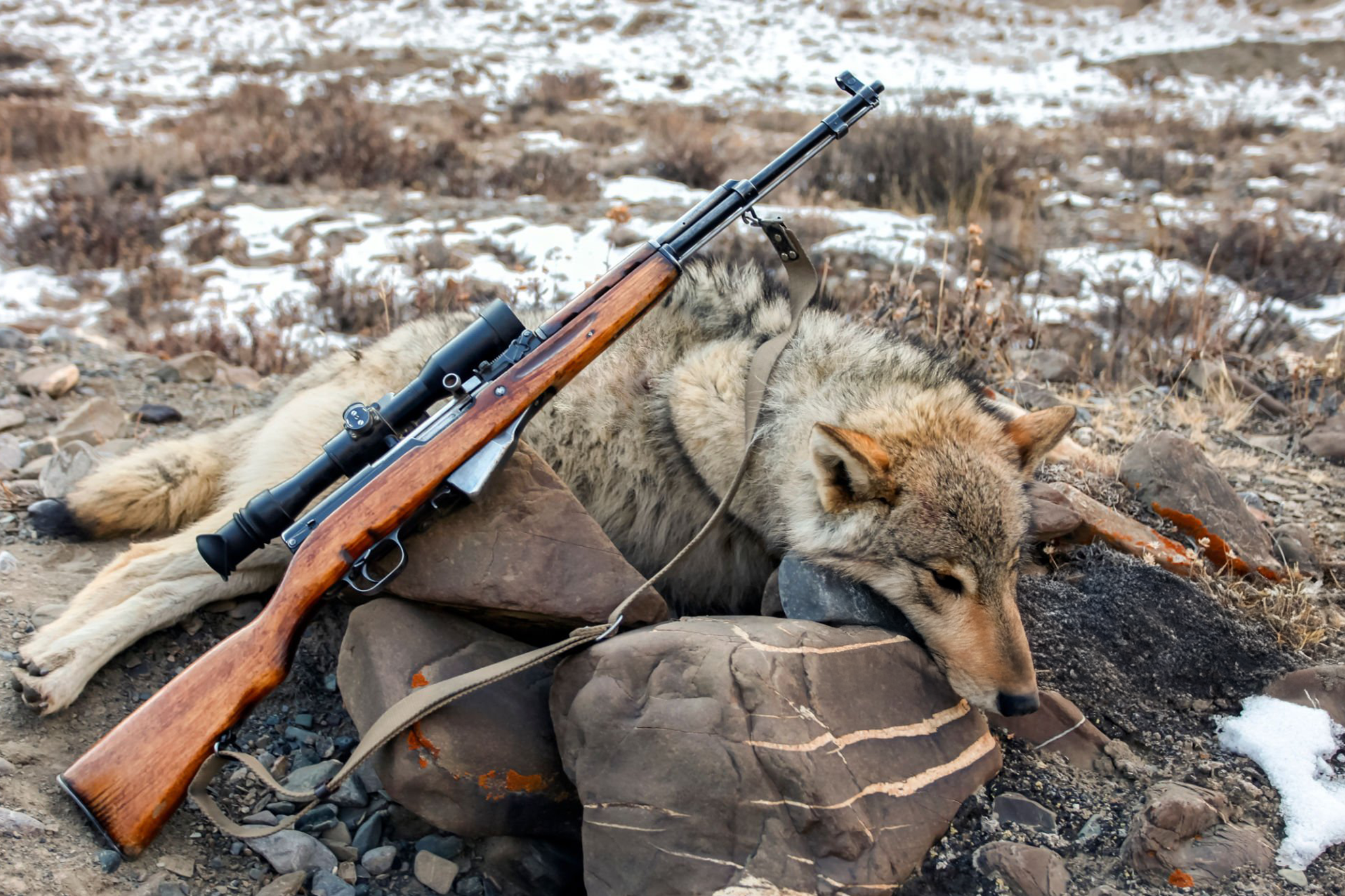
When most hunters see deep snow drifts stacking up across the landscape, they see obstacles. But predators—especially coyotes, foxes, and bobcats—see opportunity. Snow drifts reshape terrain, funnel movement, trap heat, and create ambush points that apex predators know how to exploit with deadly efficiency.
If you understand how predators use snow drifts to stalk, hide, and control the landscape, you can flip the script and use their own winter strategies against them. Snow isn’t the enemy—it’s the playbook. And on the coldest days of the season, when tracks are fresh and the wind bites harder than the air, you can turn a “dead” winter day into one of your highest-success hunts of the year.
Here’s how predators use snow drifts—and how you should hunt them.
Why Snow Drifts Change Predatory Behavior
Snow drifts aren’t just big piles of wind-blown white. They are micro-terrain features—temporary hills, ridges, valleys, tunnels, and pressure lines that predators instantly incorporate into their movement patterns.
Here’s how winter’s frozen architecture affects predator behavior:
1. Drifts Create Natural Concealment
Predators will belly down behind wind-carved drifts, using them:
- As blinds
- As ambush cover
- As windbreaks
- As stalking lanes
In open terrain, a coyote can disappear behind a drift that’s only knee-high to you—but chest-high to him.
2. Drifts Trap Heat—and That Attracts Prey
Small game such as rabbits and voles often burrow into softer drift edges to warm themselves. Predators know these weak spots and work them:
- Digging
- Pouncing
- Circling
- Listening for movement under the crust
Anywhere prey uses snow for shelter, predators follow.
3. Drifts Funnel Movement
Deep snow forces animals—predators and prey alike—toward:
- Plowed lanes
- Ridge tops
- Drift edges
- Packed-down livestock trails
- Fence lines where snow piles unevenly
This creates “forced travel corridors” where predators patrol more frequently.
4. Drifts Amplify Sound
The hard crust and hollow layers of a drift:
- Carry coyote vocals
- Muffle your movements
- Magnify crunching snow at distance
Understanding sound behavior makes or breaks a drift-side calling setup.
How Predators Actually Ambush in Snow Drifts
Winter predators use drifts in very specific ways. Mastering these patterns makes your scouting and calling exponentially more effective.
1. The Drift Lip Ambush
Predators patrol front edges of drifts where the wind has carved a sharp lip. These spots give them:
- A clean vantage point
- A stable shooting lane (for them, not you)
- Stealth for surprise attacks
- A thermal break from wind
Coyotes especially love setting up 10–20 yards below a drift lip, scanning fields for movement.
2. The Side-Slope Stalk
Instead of walking on top of the drift, predators typically skirt the downwind side—where snow is softer and sound is muted.
They’ll:
- Trot silently
- Peer over the crest
- Use elevation to spy on prey or callers
- Circle before committing
If they’re working a call, expect them to pop up over the drift crest like a periscope.
3. The Pocket Ambush
Where drifts settle against:
- Hay bales
- Fences
- Cattail stands
- Brush piles
- Barn structures
Predators sit motionless and wait for small game to emerge. Bobcats are masters of this maneuver.
4. The Burrow-Raid Dive
Especially for foxes and coyotes, snow drifts become hunting grounds for burrowing prey.
Watch for:
- Sudden coyote pounces
- Digging in soft drift edges
- Nose-down tracking
These signs tell you where predators feed—and where to set up.
How You Should Hunt Predators Using Snow Drifts
Now that you know how predators use drifts, here’s how you can turn those tactics to your advantage.
1. Set Up With a Drift Behind You
This seems backward, but it’s how you disappear in the winter.
A drift behind you:
- Breaks your silhouette
- Blocks wind
- Muffles your movements
- Creates a warm pocket for long sits
Predators expect prey to be near drifts—so appearing “built into” the feature gives you natural camouflage.
2. Put Your Caller at a Drift Edge—Not in the Open
Place your e-caller:
- On the downwind side of a drift
- Near a soft, rounded pocket
- Where predators naturally check for prey
This makes your sound source believable. Predators routinely investigate drift edges because that’s where food hides.
3. Use Terrain Lines Formed by Drifts
Snowdrift terrain lines can guide predators straight to your setup. Use:
- Fenceline drifts as travel paths
- Ridge drifts as observation routes
- Field-edge drifts as funnels
- Tight gaps between drift piles as chokepoints
If you position yourself across one of these winter corridors, predator traffic comes naturally.
4. Call Softer Than You Think
Snowdrift acoustics are unique:
- Hard crust reflects sound
- Hollow sections act like echo chambers
- Calm winter air carries calls miles
Start your sequence at 50% normal volume. Many predators are already closer than you think.
Then:
- Increase volume only slightly
- Avoid long continuous calling
- Use rodent squeaks to seal the deal
A loud call bouncing off a drift wall can blow the entire setup.
5. Expect a Longer Circle—and Be Ready for High Angles
Predators circling in drift country do two things differently:
They swing much wider.
Deep snow makes them choose easier routes, not direct lines.
They appear on top of drifts.
Coyotes especially love cresting drifts silently and staring down at the scene.
Keep your rifle higher than normal and scan drift crests constantly.
6. Look for Fresh Drift Tracks After Windy Nights
When winds die down after a front, drifts set like concrete—and predator traffic instantly becomes readable.
You’ll learn:
- Which drifts they patrolled
- Where they crossed ridges
- Where they dug for prey
- Which drift pockets they stalked
Set up where tracks cluster or intersect. Those are the ambush points predators trust most.
7. Stay Longer—Snow Drift Hunts Reward Patience
Predators slow down in deep snow:
- Their stalks take longer
- Circles widen
- Approaches become cautious
- Digging and checking pockets eats time
A normal 12-minute set becomes a 25–35 minute sit in drift country.
If you leave early, you miss half the action.
Final Thoughts: Snow Drifts Are Not Barriers—They’re Blueprint
The average hunter sees snow drifts as a challenge.
But winter predators see them as:
- High points
- Hideouts
- Corridors
- Hunting grounds
- Windbreaks
- Sound traps
When you learn to read drifts the way predators do, you unlock a style of winter hunting that most hunters never bother to understand.
The drifts are telling a story.
The predators are writing the script.
And with the right knowledge, you can hunt them exactly where they feel strongest.
