
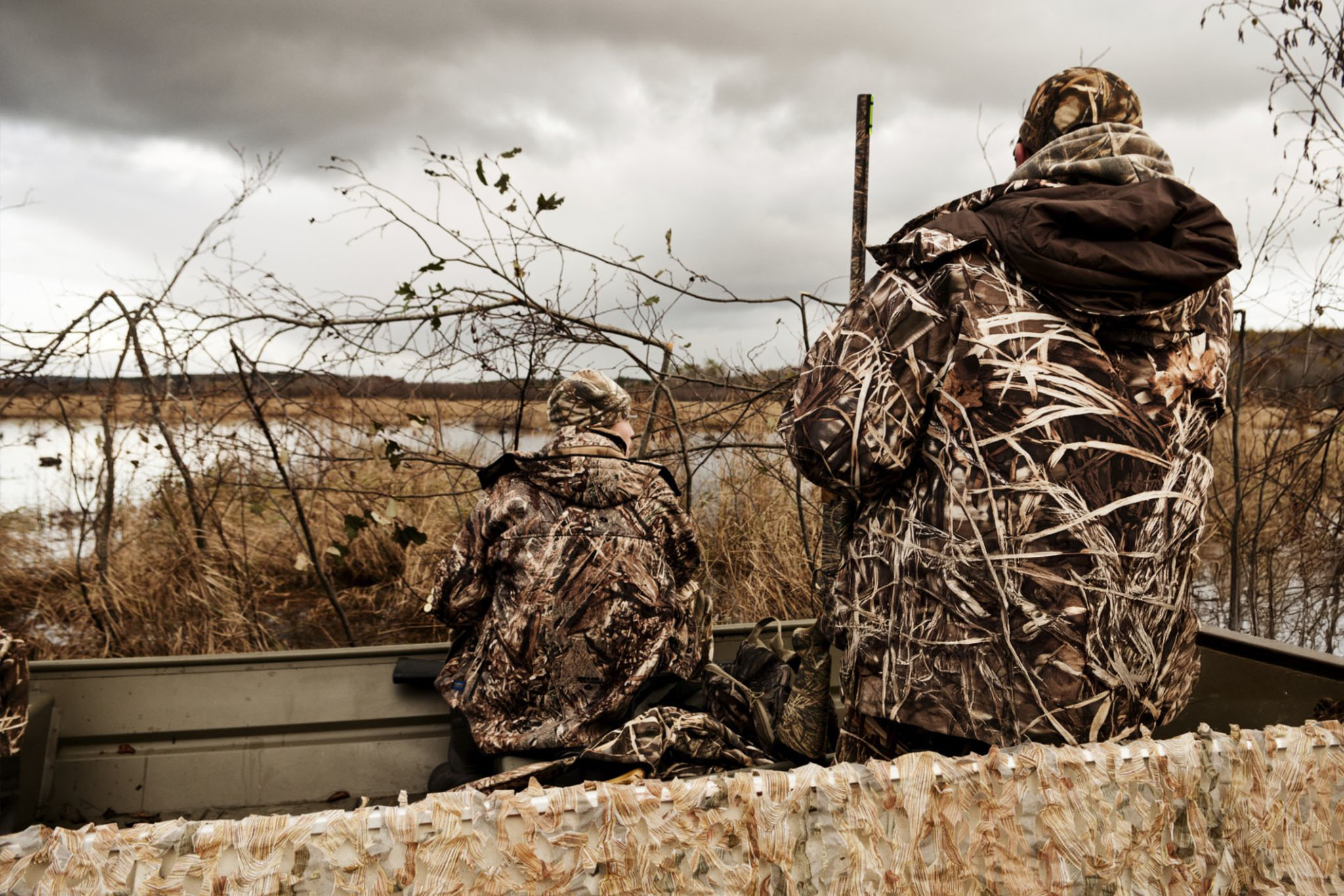
Tree-stand hunting may be the dominant style across whitetail country, but every seasoned hunter eventually faces the same reality:
Sometimes the best opportunity happens on the ground.
Maybe the wind betrays your stand.
Maybe a buck shifts his pattern.
Maybe a new trail pops up too far from any tree worth climbing.
Or maybe late-season deer simply avoid elevated silhouettes.
No matter the reason, the most consistent hunters aren’t just tree-stand experts—they’re lethal on the ground too. Learning the fundamentals of ground hunting gives you a flexibility edge, especially during unpredictable mid- and late-season deer movement.
This guide breaks down the skills every tree-stand hunter should have in their back pocket when the moment comes to hunt eye-to-eye with a mature buck.
Why Tree-Stand Hunters Need Ground Skills
Hunting from a stand gives two big advantages: elevation and visibility. But it also creates limitations:
- Your position is fixed
- Wind is harder to correct once you’re committed
- You create skyline movement deer quickly learn to avoid
- Terrain or vegetation may not support stands
- Deer patterns shift outside your tree network
Ground hunting fills those gaps.
It lets you adapt, reposition, slip closer, adjust to micro-wind changes, and hunt where no stand can go.
Ground hunting isn’t a downgrade—it’s the most mobile and responsive form of deer hunting.
1. Mastering Ground-Level Wind Reading
Tree-stand hunters rely heavily on “stand wind lanes”—predictable flows at elevation.
But on the ground?
Everything changes.
Wind interacts with brush, grass, terrain dips, tree trunks, and thermals differently at deer height.
Key ground-wind principles:
- Wind is less stable at 2–4 feet than at tree height
- Brush and saplings create small swirl zones
- Thermals affect wind faster at ground level
- Your scent travels farther horizontally than vertically
What to do:
- Use wind floaters constantly (milkweed, cattail fluff, powder)
- Test wind every 10–15 yards while moving
- Never trust the forecast—ground wind rarely matches it
- Hunt crosswinds or quartering winds, not direct winds
Understanding ground wind makes or breaks a stalk, a ground blind setup, or a quick ambush sit.
2. Still-Hunting Without Being Detected
Most tree-stand hunters aren’t used to moving while hunting. But still-hunting is a deadly ground skill when deer movement slows or patterns break.
Still-hunting essentials:
- Move like the woods are watching
- Slow down even when you think you’re slow
- Spend 90% of your time standing still
- Use binoculars constantly
- Keep sun at your back when possible
- Make noise purposely—then stop (deer relax when sounds stop naturally)
Still-hunting isn’t about covering ground.
It’s about letting deer reveal themselves while you blend into their rhythm.
3. Using Natural Cover Like a Predator
Up in a tree, cover matters less.
On the ground, cover is your lifeline.
What to look for:
- Multi-stem trees that break up your outline
- Brush piles with solid backdrop
- Blowdowns with overhead cover
- Tall grass edges
- Sapling clusters at the edge of bedding cover
Your goal is to eliminate your silhouette.
If you can see open sky behind you, you’re exposed.
4. Shooting From Knees, Squat, and Low Positions
Tree-stand hunters get used to predictable shot angles.
Ground hunters? Not so much.
Practice these ground-level shots:
- kneeling with one knee down
- kneeling with both knees down
- sitting flat
- sitting with legs crossed
- shooting with your bow or rifle canted
- shooting uphill at tight angles
- shooting downhill into ditches
Deer often appear close and at eye level.
Your form needs to handle awkward, fast, low-angle shots.
5. The Art of Setting an Ambush in Minutes
Sometimes you don’t need a blind or a long setup.
A quick, smart ground ambush is one of the deadliest tactics in late season when bucks cruise edges or food-to-bed trails.
How to build a 60-second ambush:
- Find a backstop (tree trunk, brush pile, root ball).
- Clear the ground quietly—no crunching leaves under you.
- Kneel or sit with one solid shooting lane.
- Tuck into shadows, not sunlight.
- Keep the wind consistent, not perfect.
Many mature bucks have fallen 20–40 yards from a trail using this simple tactic.
6. Building a Natural Blind Without Overdoing It
Ground blinds don’t have to be complicated. In fact, the best ones are nearly invisible.
Natural blind rules:
- Build it fast—don’t over-trim or over-snap branches
- Use existing cover first
- Add only enough brush to break your outline
- Avoid creating unnatural “walls”
- Sit deeper inside the blind than you think
- Never block your downwind exit path
If it looks like a beaver built it yesterday, deer will notice.
7. Understanding Deer Vision at Ground Level
Tree-stand hunters rely heavily on being above the deer’s eye line. But on the ground, everything changes:
- Deer pick up horizontal movement instantly
- Your blinking, shoulders, and bow draw are more visible
- Contrast matters more than camouflage
- Slow movement beats perfect camo every time
Use shadows, dark cover, and terrain dips to hide your draw and movements.
8. Ground Access Skills: Moving Without Alerting Deer
Your approach determines whether the hunt is over before it starts.
Ground-level access keys:
- Stay low—use ditches, drainages, and hillsides
- Avoid skyline walking at all costs
- Move with the wind, not against it
- Freeze completely when a squirrel barks or birds alarm
- Avoid stepping on hard sticks—soft ground is your friend
Tree hunters often underestimate how loud they actually are on foot. Ground hunters rely on silence and timing.
9. Patience and Comfort: Two Underrated Ground Skills
Ground hunts often take longer to develop. Deer appear slowly, quietly, and close.
To stay effective:
- Carry a small knee pad
- Use a lightweight cushion
- Bring hand warmers
- Settle in like you’re hunting a stand
Comfort helps you stay motionless—motionless hunters kill deer.
The Real Advantage: Becoming a Complete Hunter
Tree-stand hunters dominate from above.
Ground hunters dominate from within the deer’s environment.
When you can do both?
You become something far more dangerous:
A versatile hunter who adapts to anything the deer—or the weather—throws at you.
Ground skills give you mobility, stealth, and opportunity in places most hunters overlook.
It’s not about replacing tree-stands.
It’s about expanding your toolbox—and being deadly no matter where you stand, sit, or kneel.
