
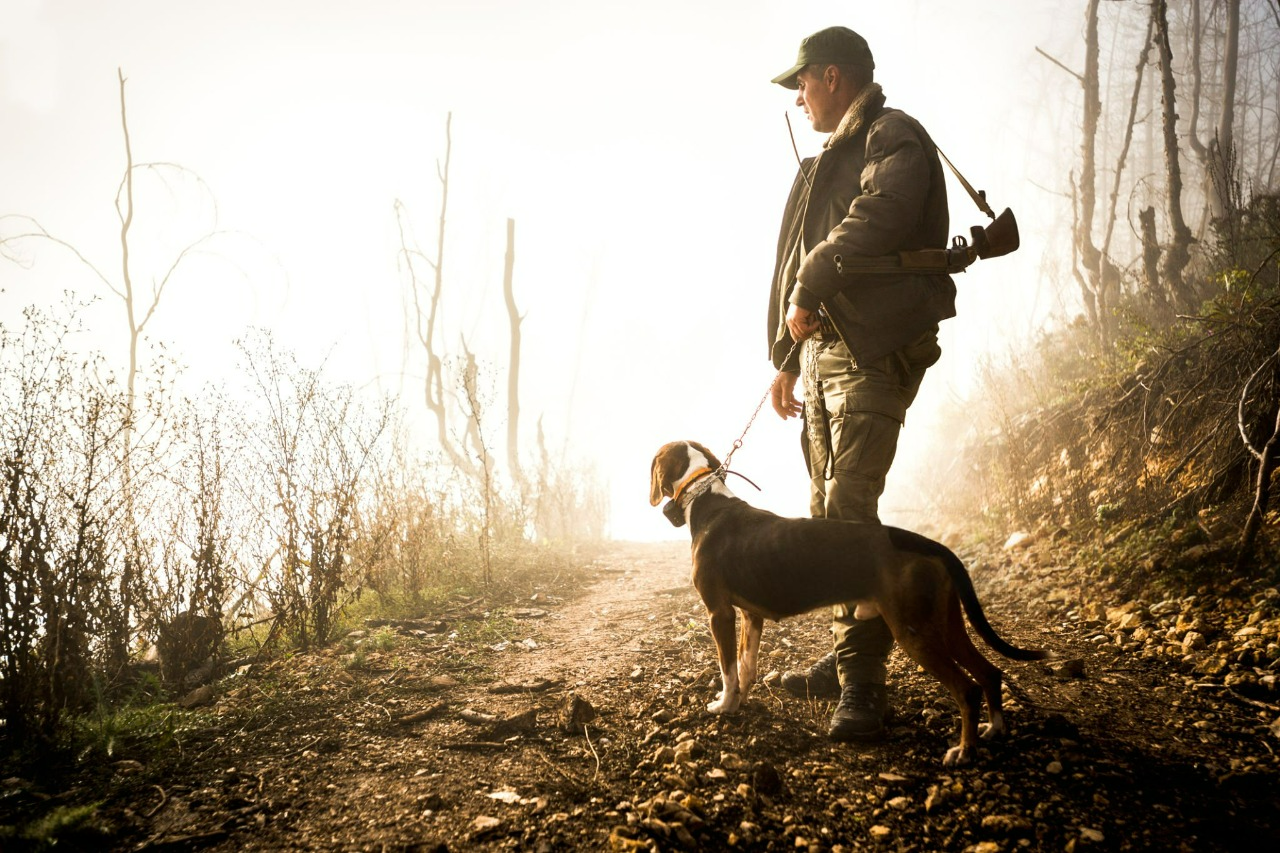
When winter settles in and temperatures plunge, most hunters believe they’re prepared—layered up, insulated, and geared to the hilt. But frostbite doesn’t care how expensive your jacket is or how many pairs of socks you pulled on before dawn. Every year, hunters unknowingly set themselves up for cold-weather injuries because of a few simple, often overlooked gear mistakes.
If you’re heading into the woods this winter, avoiding these pitfalls can mean the difference between a memorable hunt and a miserable, dangerous one.
1. Wearing Too Many Cotton Layers
Cotton might feel warm at first, but it’s the most dangerous fabric you can wear in freezing temperatures.
Cotton traps moisture—sweat, melting snow, fog dampness—and holds it directly against your skin. Once wet, cotton loses nearly all of its insulating ability. That means even light activity, like hiking to your tree stand, can create enough sweat to set the stage for frostbite.
The Fix
- Base layers should always be synthetic or merino wool.
- Mid-layers should be moisture-wicking and breathable.
- Keep cotton off your body entirely—save it for camp, not the field.
2. Choosing Boots for Warmth, Not for Fit
Hunters often think the warmest boots are the bulkiest ones. But here’s a truth many overlook: poor circulation causes frostbite far more often than cold air.
If your boots are too tight—whether from thick socks or poor sizing—blood flow to your toes slows dramatically. Even top-tier insulated boots can fail if your feet can’t move naturally inside them.
The Fix
- Size up ½ to 1 full size for winter hunting boots.
- Make sure you can wiggle your toes freely inside the boot.
- Don’t double up thick socks; instead, wear one pair of merino wool socks with room to breathe.
- Choose boots with moisture-wicking liners to prevent sweat freeze-back.
3. Ignoring Wind Chill in Clothing Decisions
Hunters often dress for the forecasted temperature—but not the actual wind chill, which can drop perceived temperatures dramatically. A 20°F day can feel like 0°F with a stiff wind, and exposed skin can freeze in minutes.
The Fix
- Prioritize windproof layers (soft shell jackets, wind-blocking membranes).
- Don’t leave your neck exposed—use a windproof gaiter or balaclava.
- Wear gloves with wind-protective outer shells instead of only insulated liners.
4. Failing to Dry Gear Between Hunts
Many hunters leave boots, gloves, and outer layers in the truck overnight. They feel dry in the morning—but that “dry” gear is secretly loaded with moisture that instantly chills when temperatures drop.
The Fix
- Use a boot dryer after every hunt.
- Bring gloves indoors and fully open them to air out.
- Remove removable liners and lay them flat in a warm room.
- Never store gear in a cold vehicle—cold gear starts your body cooling before the hunt even begins.
5. Wearing Insulation Too Early in the Day
Hiking to your stand with all of your insulation on is one of the fastest ways to sweat. And sweat is the enemy of warmth. Once you sit down, that moisture becomes a freezer against your skin.
The Fix
- Wear lighter layers while walking in.
- Pack your heavy jacket or parka and put it on once you’re settled.
- Use a breathable mid-layer to avoid trapping heat during movement.
6. Underestimating the Importance of Hand and Face Protection
Many hunters believe frostbite strikes feet first. In reality, your hands, ears, nose, and cheeks freeze much faster because of their thin skin and high exposure.
The Fix
- Use layered gloves: a liner for dexterity and an insulated mitt for warmth.
- Bring hand warmers but don’t rely on them alone.
- Wear a balaclava, facemask, or fleece gaiter—cold air and wind can damage exposed skin quickly.
7. Using Old or Compacted Insulated Gear
Insulated jackets, bibs, and gloves lose effectiveness over time. Compression—sitting in stands, kneeling, storing gear tightly packed—crushes insulation and eliminates the air pockets needed for warmth.
The Fix
- Check older gear for “cold spots” where insulation feels thin.
- Replace gear that has lost loft or structure.
- Hang insulated clothing between hunts instead of stuffing it in totes.
8. Not Carrying a Backup Pair of Gloves
Snow, blood, sweat, and damp brush can quickly soak your primary gloves. Wet gloves in winter conditions are a direct path to frostbite—especially when handling metal equipment like rifles or tree stand steps.
The Fix
- Always pack at least one extra pair of gloves.
- Carry lightweight waterproof over-mitts if snow or freezing rain is expected.
9. Forgetting to Protect Your Core
Your body protects vital organs first. When your core gets cold, your body restricts blood flow to your extremities, which accelerates frostbite.
The Fix
- Prioritize a warm, windproof layer around your torso.
- Use insulated bibs instead of regular pants—they keep your core covered when seated.
- Consider carrying a small heated vest as an emergency core-warmer.
Final Thoughts: Stay Warm, Stay Smart, Stay Safe
Winter hunting can be unforgettable—but frostbite is permanent. With smarter gear choices, breathable layers, wind protection, and proper footwear, you can hunt longer, safer, and more comfortably in the coldest months of the year.
Avoiding frostbite isn’t about toughness—it’s about planning. Fix these hidden gear mistakes, and you’ll step into winter with confidence, comfort, and all ten fingers feeling good.
