
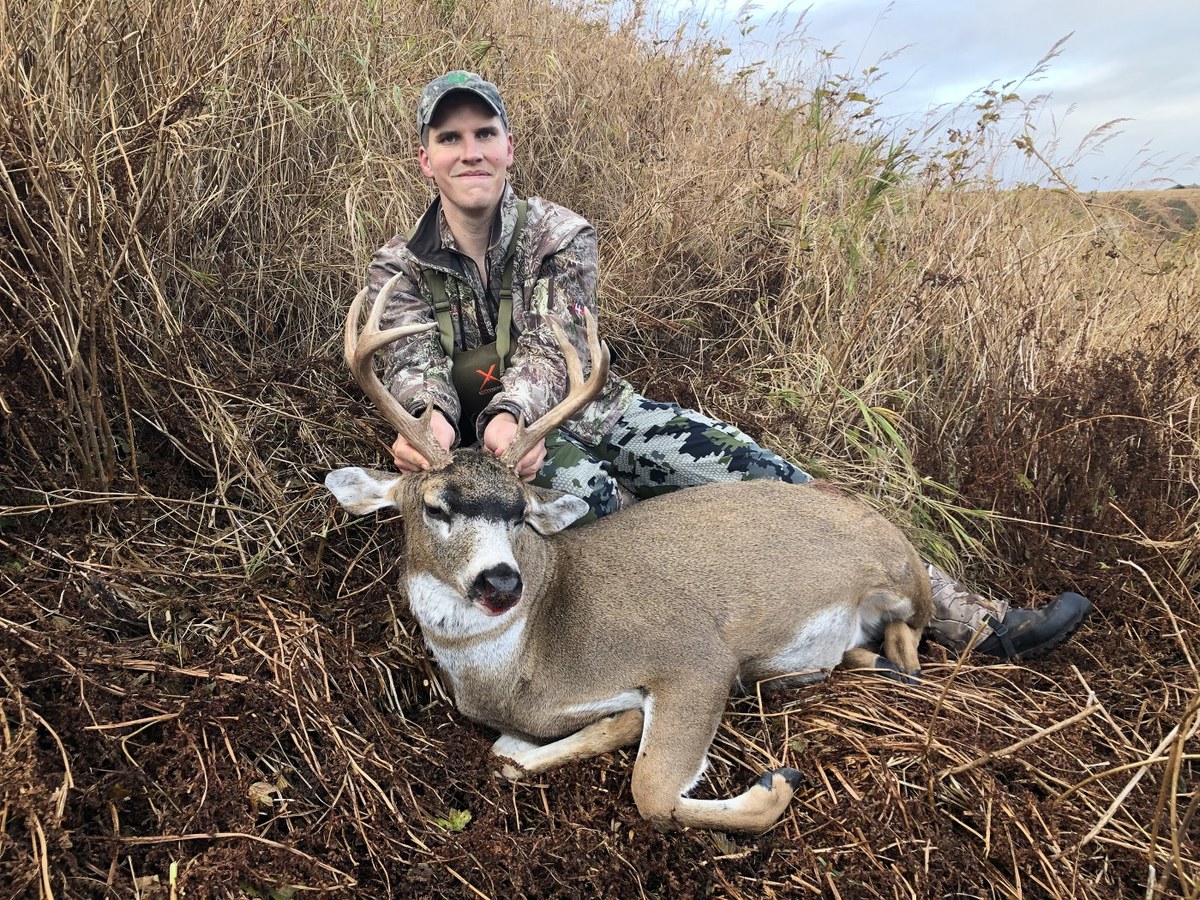
When winter tightens its grip and the woods turn into a frozen quiet zone, most hunters assume that mature bucks retreat deep into cover and vanish into the thickest timber on the property. But that’s only half true. During mid- to late-winter, big bucks consistently bed in spots that seem completely illogical—right on the edge of snow lines, in odd transition pockets, and in areas most hunters simply walk past without a second thought.
Understanding why they use these overlooked edges, and learning how to hunt them without blowing your chances, can open a whole new level of late-season success.
Why Snow-Edge Bedding Even Exists
Mature bucks bed along snow boundaries for three key reasons:
1. Temperature Differences Create Micro-Comfort Zones
Snow edge areas—where bare ground meets packed snow—often hold slightly warmer temperatures.
South-facing slopes, exposed dirt patches, and thin-canopy spots absorb more sun than deep woods. It’s only a few degrees, but for a run-down post-rut buck trying to conserve energy, that matters.
2. Better Visibility and Escape Options
Snow reflects light and creates a bright backdrop. When a buck beds along a snow line, he can see movement much farther than in dense cover.
On bare ground behind him, he can hear anything crunching through snow before it gets close.
It’s the perfect ambush-safe bedroom.
3. Predator Avoidance
Coyotes struggle to move quietly on frozen snow.
Bucks know this.
Snow boundaries give them the advantage of hearing predators long before danger arrives—something thick cedar swamps can’t always provide.
These aren’t random behaviors. Mature bucks choose these spots intentionally, and once you know what to look for, patterns jump out fast.
Where Snow-Edge Bedding Commonly Occurs
You won’t find snow-edge bedding evenly scattered across a property. Bucks target very specific locations:
1. South-Facing Hillsides
These warm up earlier in the morning and melt first.
Bucks bed just above the melt line where sun exposure, wind protection, and visibility intersect.
2. Field-to-Timber Transitions
Especially in areas where the field edge melts but the woods remain snow-covered.
Bucks often bed just inside the timber, watching the open ground while staying hidden behind cover.
3. Creek Bottoms With Partial Melt
Moving water keeps banks bare even in harsh winter.
Snowpack meets exposed soil—prime bedding terrain for late-season bucks.
4. Logging Roads and Skid Trails
These open lanes melt quickly and provide visibility that mature bucks crave.
Bucks often bed just off the lane, using the open strip like an early-warning system.
5. Evergreen Pockets at the Edge of Hardwoods
Snow collects heavier in hardwood stands and less under dense evergreen canopy.
That boundary line becomes a perfect bedding transition area.
How to Identify Fresh Snow-Edge Bedding
Spotting late-season beds is easier than during any other time of year. Look for:
✔ Oval depressions on bare ground right next to snow
The heat from the buck melts a clear outline.
✔ Droppings and browse within a few steps
Bucks conserve energy in winter and won’t travel far to feed.
✔ Hair caught on frozen grass or saplings
Mature bucks leave coarse gray hair behind when they stand.
✔ Fresh tracks leading into the bed with fewer leading out
This often means the buck is still using the spot regularly.
✔ Melt pockets in snow shaped like a bed
Sometimes he beds directly on snow that’s thin enough to soften with body heat.
If you see these signs, don’t walk through the area repeatedly. Bucks use these beds because they offer advantage—pressure them once, and they’ll shift.
How to Hunt Snow-Edge Bedding Without Blowing the Opportunity
Hunting these beds is a balancing act. Mature bucks are incredibly alert this time of year. But with the right approach, you can slip into position.
1. Hunt Afternoon Approaches, Not the Bed Itself
Late-season bucks almost never move far before sunset.
Set up between the bed and the nearest high-calorie food source:
- standing corn
- brassica plots
- cut soybeans
- acorn pockets
- windblown mast areas
Your goal? Hunt the first 70–120 yards of movement from the bed.
2. Use the Snow Crunch to Your Advantage
Crunchy snow is noisy—unless you move slow enough that the deer gets used to the rhythm.
Take a step every 10–20 seconds.
Mimic squirrel or turkey movement, not human cadence.
3. Let Wind and Terrain Do the Concealment
Only approach from below the buck’s elevation or with wind blowing your scent out over a valley or ravine.
Avoid these fatal mistakes:
- walking in on the same elevation line
- approaching from the melted side
- getting skylined on ridges
4. Hunt Cold, Clear Evenings
Snow-edge bedding is most predictable when:
- skies are cloudless
- temps drop sharply
- thermals stabilize early
These conditions keep bucks bedded longer but also predictable once they rise.
5. Don’t Hunt the Same Bed Twice
You might get away with two sits—maybe.
But late-season bucks don’t tolerate pressure.
Switch beds, switch stands, and pattern multiple snow-line areas to stay stealthy.
Gear That Helps With Snow-Edge Hunts
- Soft-sole boots that reduce crunch
- Windproof but quiet outerwear for silent movement
- Handheld thermal monoculars (legal in many states for scouting)
- Lightweight folding seat for hunting lower ground without skyline risk
- White or snow-pattern outer layers if the bed is on exposed snow
A quiet, wind-smart hunter is far more deadly than one with the fanciest gear.
Final Thoughts: Snow Lines Are Late-Season Gold
Most hunters walk right past the exact spots mature bucks choose during winter.
Snow edges don’t look like classic bedding habitat—but that’s exactly the point. Bucks choose them because hunters don’t.
When temperatures drop and deer movement slows, these overlooked micro-locations become some of the most predictable bedding sites of the entire season.
Learn to recognize them.
Learn to approach them stealthily.
And you’ll open a whole new world of late-winter opportunity that 95% of hunters never tap into.
