
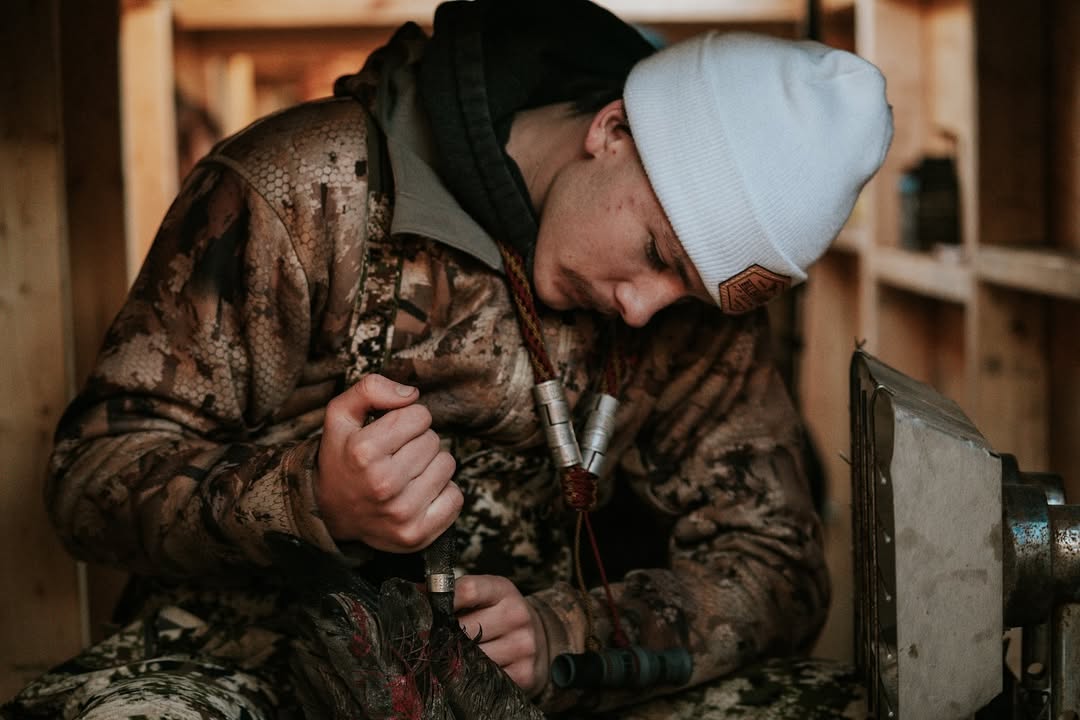
Every seasoned hunter knows that just before a major winter storm rolls in, the woods and fields come alive. Deer, waterfowl, predators—every species seems driven by instinct to feed, move, and reposition before the chaos hits. And for hunters willing to brave the dropping barometer and swirling pre-storm winds, this narrow window can produce some of the most unforgettable hunts of the season.
But success during this high-energy weather window depends on one thing above all else:
setting up your blind correctly before the storm arrives.
This guide breaks down exactly how pressure changes influence wildlife, where to build your blind for maximum success, and how to stay safe, hidden, and effective when a blizzard is on the doorstep.
Why Pre-Storm Conditions Trigger Wildlife Movement
Right before a blizzard hits, the atmosphere shifts dramatically. These environmental changes flip an instinctive switch in wildlife:
1. Falling Barometric Pressure Sparks Urgency
Animals sense pressure changes long before humans do. A quick drop signals incoming snow, wind, and reduced visibility.
The response?
- Deer feed harder and move earlier
- Ducks shift flight patterns
- Coyotes and foxes increase cruising behavior
- Turkeys scratch aggressively before roosting
Everything is driven by the same instinct:
“Eat now. Move now. Settle before the storm.”
2. Winds Increase, Changing How Animals Travel
As the storm builds, wind direction stabilizes. Wildlife uses that predictable wind to travel, scent-check, and reposition.
3. Snow Cover Threatens Food Access
If animals expect their food sources to be buried for days, they hit open food aggressively in the hours leading up to the storm.
The result?
A compressed feeding window where movement skyrockets.
Why a Blizzard Blind Gives You the Edge
Most hunters head home when they hear a storm alert.
Those who stay earn the best action.
A Blizzard Blind—whether it’s a pop-up, layout, A-frame, or natural brush hide—gives you advantages that matter when conditions turn rough:
- Complete concealment against swirling snow
- Protection from wind and dropping temps
- Stability when visibility drops and animals move closer
- A natural look as snow builds up and “finishes” your blind’s camouflage
- The ability to hunt comfortably while others pack out
When weather gets ugly, blinds don’t just protect you—they help you disappear.
Where to Set Up Before the Blizzard Hits
To maximize success, you need to position your Blizzard Blind exactly where wildlife funnels during pre-storm movement. Here’s how to choose the best spot based on your target species:
1. For Deer: Focus on Food Edges and Wind-Protected Routes
Right before snowfalls, deer move toward:
- Standing corn
- Cut soybean fields
- Alfalfa edges
- Food plots
- Sheltered browse areas
Best blind locations:
- Downwind edge of a food source
- A natural pinch point leading to feed
- A cedar line or thick bedding corridor
- South-facing slopes that hold warmth
Deer want calories before being snowed in. Your blind should sit where feeding meets safety.
2. For Waterfowl: Set Up on Wind-Driven Loafs and Open Water
Birds reposition aggressively before the freeze. They stack into:
- Wind-opened pockets
- Protected backwaters
- Cattle ponds
- Creek bends
- Sheltered edges of big water
Best setup for ducks and geese:
- Build your blind on the leeward side of water
- Place decoys in open pockets that the wind creates
- Expect birds to fly low because of building pressure
Pre-storm waterfowl often commit hard, wanting to settle before visibility drops.
3. For Coyotes and Predators: Cover Travel Lines
Coyotes get active on pre-storm winds, cruising for an easy meal.
Prime blind locations:
- Field-timber transition lines
- Frozen creek beds
- Fence lines
- Old two-track paths
- Edges of cattle areas or wintering herds
The wind masks your scent and noise, giving you an upper hand.
Wind Strategy: The Blizzard Blind Must Work With the Wind, Not Against It
Winter storms often bring strong, steady winds. Use them.
Your blind should be:
- Downwind of expected animal movement
- Braced against gusts
- Angled so drifting snow doesn’t bury your shooting windows
- Camouflaged with natural snow accumulation
Wind also dictates how animals travel:
They’ll move into it, cross with it, or use it to scent-check—predictable patterns you can capitalize on.
How to Build a Blizzard-Proof Blind Setup
A blind for pre-storm hunting needs durability more than beauty. Here’s how to set one correctly:
1. Use Natural Structure as a Windbreak
Snow and wind punish poorly placed blinds. Build beside:
- Round bales
- Bush lines
- Fallen trees
- Ditches
- Small hills
This increases stability and realism.
2. Over-Brush Your Blind
Storm winds strip material off. Brush heavier than normal.
Use:
- Willow branches
- Grass clumps
- Cedar boughs
- Snow fencing pieces
Then allow real snow to finish the job.
3. Anchor Everything
Tie-downs must be extremely secure. Use:
- Ground stakes
- Paracord
- Weight bags
- Natural anchors (logs, rocks)
If the blind moves even slightly, animals will notice.
4. Keep Shooting Windows Minimal
Openings should be tight to prevent snow and wind from blowing in—and to keep movement hidden.
Pre-Storm Timing: The Sweet Spot
You want to be in the blind 1–3 hours before the storm hits.
This is the period when:
- Barometric pressure reaches its lowest
- Wildlife moves aggressively
- Winds become steady
- Sky darkens
- Temperatures drop
- Visibility declines
This combination creates bold, predictable, daylight movement.
And when the first real flakes fall?
Movement often intensifies for another 15–30 minutes before shutting down.
That’s your “blizzard gold rush.”
Safety Is Part of the Strategy
Hunting near blizzard conditions can be safe—if you’re smart.
Always have:
- A charged phone
- A backup heat source
- Dry layers
- A headlamp
- A safe exit plan
- A weather alert system
- A vehicle that can handle snow buildup
Never let a great hunt turn dangerous.
Final Thoughts: Win the Blizzard, Win the Hunt
Setting up a Blizzard Blind isn’t just a tactic—it’s a strategy built on understanding wildlife behavior, weather science, and winter survival instincts.
When done right, you gain advantages that fair-weather hunters never get:
- More animal movement
- More daylight activity
- Closer encounters
- Less hunting pressure
- A perfectly camouflaged hide
- A front-row seat to explosive pre-storm action
Winter storms can shut down everyday life, but for hunters willing to prepare and adapt, they open a door to some of the best action all season.
Master the storm.
Set the blind early.
Own the pre-blizzard window.
