
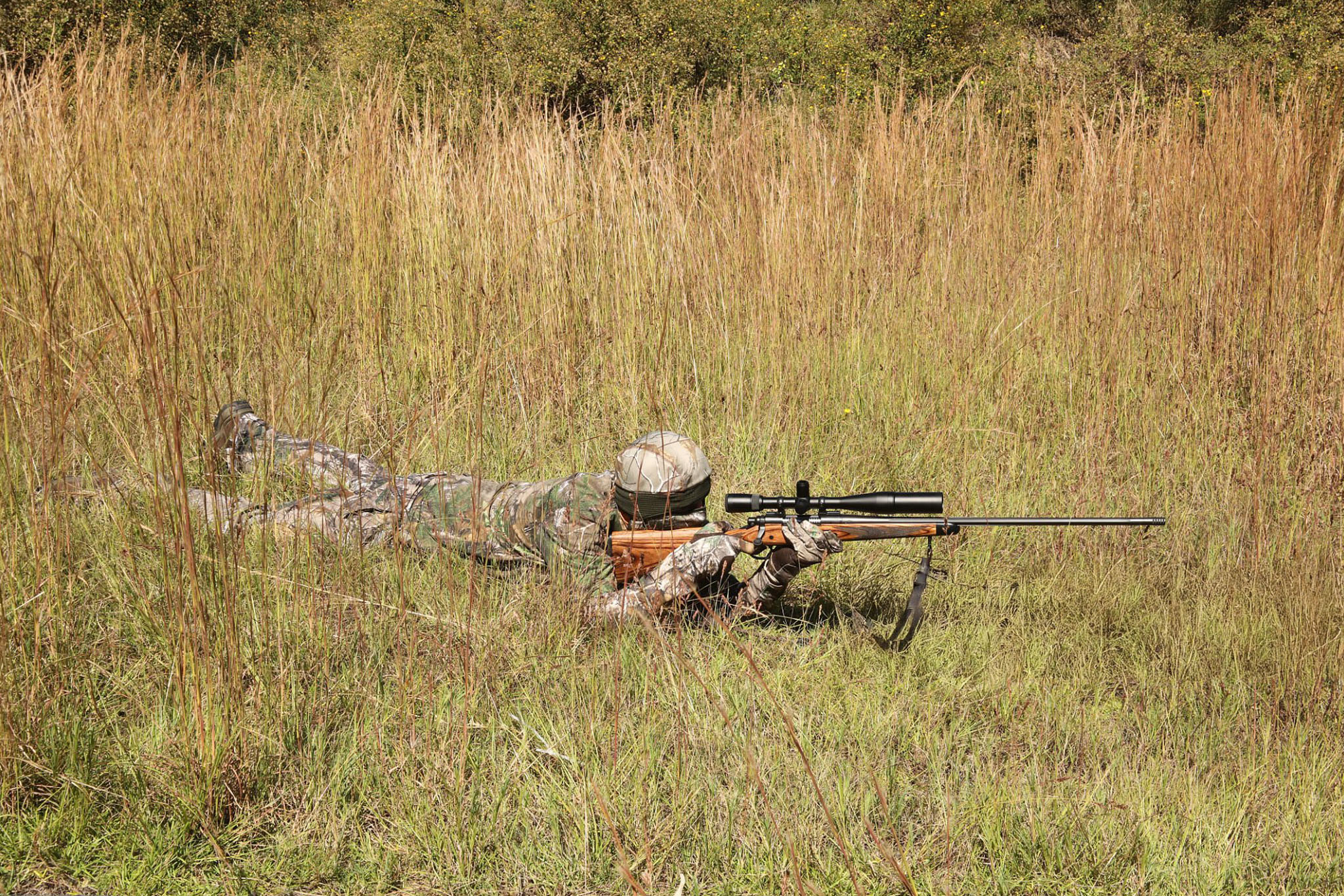
When winter tightens its grip and the woods turn silent, many hunters assume their chances shrink with the daylight. But seasoned late-season hunters know a different truth: edges come alive in winter. Tree lines, transition zones, and habitat seams become some of the most reliable, predictable, and productive areas to hunt when temperatures drop and food grows scarce.
This phenomenon—known as the edge effect—changes the way game moves, feeds, and beds during the coldest weeks of the season. Understanding how these transitions work can turn an otherwise slow winter into one of your most successful hunting windows.
This guide breaks down why tree line transitions matter so much in winter, how wildlife uses them, and the exact strategies that turn these edges into late-season goldmines.
What Is the Edge Effect?
The edge effect refers to the increased wildlife activity that happens where two habitat types meet—such as:
- Forest → crop fields
- Timber → CRP grass
- Swamp → hardwoods
- Thick saplings → mature woods
These intersections offer a unique blend of safety, cover, and food. And in winter, animals rely on them heavily.
When daylight gets short and temperatures drop, wildlife narrows its movements to the most efficient routes possible. Edges provide exactly what they need: low-energy travel corridors with high-value resources.
Why Tree Line Transitions Matter Even More in Winter
1. Edges Offer Maximum Cover With Minimum Energy Use
Winter game animals prioritize survival. That means:
- Conserving calories
- Staying protected from wind
- Minimizing exposure to predators
A tree line gives them instant, accessible cover without requiring long, exhausting movements through deep timber. Even a thin strip of cover can make the difference between safety and exposure.
Why this matters for hunters:
Animals stick to these edges because they’re predictable and efficient. That reliability creates repeatable hunting patterns.
2. Natural Food Sources Concentrate Along Edges
Even after the first hard freeze, transition zones still produce food that deer, turkeys, rabbits, and predators rely on.
Common winter food sources found along edges:
- Forbs and grasses protected by tree shade
- Shrubs and low-lying browse
- Leftover mast (acorns, beech nuts) near timber edges
- Unharvested crops around field borders
- Winter weed patches in rough transition areas
Food scarcity pushes animals to areas where calories still exist—and that’s almost always at or near the transition line.
3. Edges Warm Faster (and Stay Warmer Longer)
This is a winter hunting secret many people overlook.
Tree lines receive:
- More sunlight
- Less wind exposure
- Less snow accumulation in many cases
That means micro-warm zones form along edges, providing:
- Easier travel
- Earlier feeding windows
- More mid-day movement
In December and January, animals often shift toward these slightly warmer zones because they reduce energy loss.
4. Tree Lines Create Natural Travel Corridors
Game animals use edges the same way humans use gravel roads and trails.
They function as:
- Movement routes
- Boundary markers
- Escape corridors
- Strategic bedding-to-food pathways
If you find a tree line with deer tracks paralleling it, you’ve found a winter hotspot.
How Different Game Species Use Tree Line Transitions in Winter
White-Tailed Deer
Deer rely heavily on edge habitat because it offers food, travel routes, and bedding cover in the same strip. Late-season bucks often cruise quietly along these lines during the first and last hour of daylight.
Coyotes and Other Predators
Predators hunt edges because small game hides there. If you’re chasing coyotes, foxes, or bobcats, set up where two habitat types meet.
Turkeys
Winter flocks work edges to scratch for mast, seeds, and leftover grains. You’ll often see tracks right along field timber borders.
Rabbits and Small Game
Brushy edges are winter highways for cottontails—and a magnet for hunters targeting predators.
How to Hunt Tree Line Transitions in Winter
1. Hunt the Downwind Side of the Edge
Cold-season thermals and winds behave differently. Set up so your scent blows parallel to or away from the transition—not across it.
2. Focus on Evening Feeds
Deer and other game move predictably toward final food sources during the last 60–90 minutes of daylight.
Tree line → Food source
is the most consistent late-season movement you’ll see.
3. Follow the Tracks, Not the Sign
Winter tells the truth. Fresh tracks freezing into snow reveal:
- Daily routes
- Directional movement
- How recently animals passed through
Edges with consistent tracks deserve your time.
4. Position Yourself Where Two Edges Intersect
This is where the magic happens.
Examples:
- Tree line meeting a drainage
- Swamp touching CRP grass
- Hardwoods bordering a ridge top
Animals love edge crossroads because they offer multiple escape routes.
5. Stay Silent and Still
Winter woods carry sound farther. Movement echoes. Animals detect ground crunch instantly.
Tree line hunting requires:
- Slow entry
- Quiet setups
- Minimal calling
Let the natural edge pattern do the work.
Top Winter Tree Line Setups for Hunters
1. Field-to-Timber Travel Corridors
Perfect for bowhunters targeting evening movement.
2. Creek Bottom Edges with Thick Brush
Ideal for mid-day deer or predator movement.
3. Edge of Cut Corn or Bean Fields
Food + cover = reliable December and January activity.
4. Ridge-Top Timber Lines
Warmer south-facing edges offer prime bedding nearby.
Common Mistakes Hunters Make at Tree Lines
❌ Sitting directly in the open field
❌ Calling too loudly in quiet winter timber
❌ Walking across the feeding area when entering
❌ Ignoring wind shifts along open edges
❌ Setting up too close to bedding cover
Fix these, and edge hunts become dramatically more successful.
Final Thoughts: Winter Edges Are Predictability at Its Finest
In winter, wildlife becomes predictable—not because they’re sluggish, but because their needs narrow sharply. Tree line transitions offer the perfect combination of:
- Food
- Safety
- Warmth
- Efficient travel routes
That makes them goldmines for hunters who understand how late-season animals behave.
Master the edge effect, and you’ll unlock some of the most productive hunting of the entire year—right when most hunters have already thrown in the towel.
