
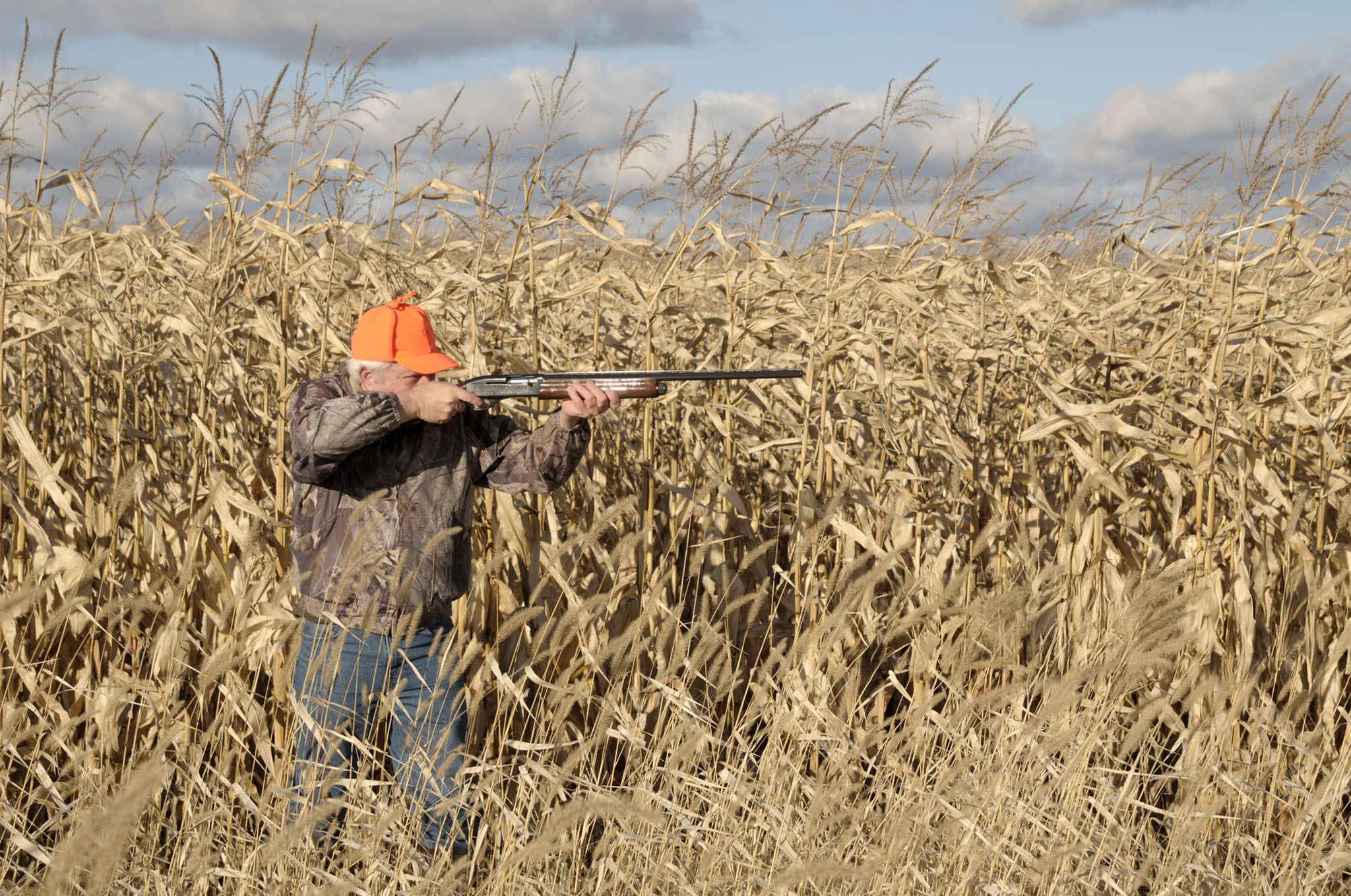
As winter deepens and the days grow shorter, geese in North America begin to exhibit predictable movements and patterns, especially as they push further south along the migration flyways. For avid waterfowl hunters, understanding these late-season movements—particularly in December—can be the key to a successful hunt. Geese, especially in the late season, are highly influenced by factors such as weather fronts, food availability, and the changing length of daylight. These variables trigger specific daily cycles of feeding, resting, and traveling that hunters can exploit for optimal success.
In this article, we will explore why geese move in these predictable daily cycles during December, how to track their behavior, and the best ways to position yourself for the highest chances of success in this critical part of the season.
The Science Behind Goose Movement in December
Unlike earlier in the migration season when geese are more erratic and spread out, December brings a shift in their behavior. By this time, geese have typically migrated to their wintering grounds, where they will spend the colder months. As the days shorten and temperatures drop, they adjust their schedules to maximize the opportunities for feeding and resting.
1. Shorter Days, Earlier Movements
In December, the length of daylight plays a huge role in shaping goose behavior. With shorter days and less daylight, geese tend to adjust their daily cycles to feed and migrate during the warmer, lighter parts of the day. This pattern often means they leave their roosting sites just before sunrise, feed in agricultural fields or wetlands during the morning hours, and return to roosting areas just before dark.
- Key Insight: Geese are more likely to be on the move in the early morning and late afternoon. These two periods are essential for hunters to be aware of in order to time their hunts effectively.
2. Weather Patterns and Feeding Cycles
Cold fronts, snowstorms, and shifts in temperature have a significant influence on how far and how often geese will travel. December’s cold fronts often push geese to be more predictable in their movements, as they seek out food sources that are rich in calories to help them survive the harsh conditions. If temperatures drop and snow accumulates, geese may concentrate their feeding efforts in areas where crops are still available or where ponds and fields remain unfrozen.
- Key Insight: When a cold front moves through, geese become more concentrated in specific areas. If you can identify large fields or open water that are holding geese, you’ll increase your chances of success.
3. Roosting Sites and Flyways
Late-season geese are often more loyal to specific roosting sites, such as large lakes, rivers, or wetlands. These areas are critical for geese to rest, especially after long migration flights. After spending the night resting, geese will leave these roosts to feed in the early morning hours and return before dark.
- Key Insight: The patterns of departure and return from roosting sites are consistent. Knowing where geese are roosting and the likely flight paths to their feeding areas will give hunters the ability to set up in high-traffic areas.
Predicting Goose Movements: The Key to Timing Your Hunt
Understanding goose movement cycles is critical for ensuring your hunting success in December. Here’s how to make the most of the daily routines of these migratory birds:
1. Early Morning Push: Timing the Departure
The early morning hours are when geese make their move from roosting sites to feeding areas. They typically leave just before dawn, so getting to your hunting spot early is essential for being in position when the geese fly over. Geese are more likely to be aggressive in their feeding behavior in the first few hours of the day, as they are trying to consume enough calories to fuel their energy for the day ahead.
- Tip for Success: Be ready to call and decoy early, as the first light often brings in the most geese. Their approach is often more predictable, and they are less wary before they’ve had a chance to feed.
2. Midday Lulls: Tracking Afternoon Movements
As the sun rises higher, geese tend to feed more intermittently throughout the day. After the initial flurry of activity in the early morning, geese often settle into feeding patterns that can involve more subtle movements and quieter flocks. This is when hunters may experience a lull in activity, as the geese are not flying as aggressively.
However, the midday lull can be a great time to scout new areas or prepare for the late-afternoon flight as geese prepare to return to their roosting spots.
3. Late Afternoon Return: The Evening Push
The final major movement of the day takes place in the late afternoon when geese return to their roosting sites after a long day of feeding. This is another high-volume time for hunters, as the geese make their way back to familiar resting spots.
- Tip for Success: Be prepared to call and decoy again in the late afternoon, as geese are often flying low and returning in larger flocks. These evening flights are often the most predictable, as geese are heading back to their roosting areas before dark.
How to Maximize Your Success in December
Now that you understand the key factors that influence goose movement in December, here are some hunting strategies to help you capitalize on their predictable daily cycles:
1. Location, Location, Location
Geese tend to feed in large, open fields, flooded cornfields, or grain fields in December. Knowing where they’re feeding—and when they’re feeding—will help you determine the best spot to set up your decoys. Focus on areas near water sources where geese are likely to rest or fly over on their way to feed. You should also be looking for agricultural fields that are still providing a food source, such as leftover corn, soybeans, or wheat.
- Tip for Success: If possible, scout the day before to identify where geese are feeding, roosting, and traveling.
2. Use Decoys Wisely
When setting decoys, remember that flock size and spread should reflect the size of the incoming birds. A large spread is ideal for attracting migrating flocks, while smaller setups are often more effective for local birds that are more wary. Use a mix of feeding and resting decoys to create a realistic spread that mimics what geese expect to see when they approach their destination.
- Tip for Success: Use motion decoys or wind-driven decoys to increase realism, especially in areas with light wind.
3. Master Your Calls
Calls play a huge role in attracting geese, especially in the early morning or late afternoon when they are more likely to respond. Be sure to mix it up—use long-range calls when the geese are far out and more aggressive, feeding calls when the geese are closer and might be actively seeking food. Match the volume and tone of your calls to the size of the flock you are trying to attract.
- Tip for Success: Practice before the hunt so your calls sound natural, and avoid over-calling, which can spook birds.
4. Patience Is Key
If you’re hunting in December, you’re going to need patience. Geese can be picky about where they land, especially late in the season when they’ve been pressured. Be ready for slow periods of movement, but stay vigilant and patient for the big flocks during the key times: early morning and late afternoon.
Conclusion: Predictable Movements, Exceptional Opportunities
December geese are predictable in their daily patterns, and hunters who understand these rhythms can greatly improve their odds of bagging a limit. By focusing on the key times of the day, scouting the right locations, and using realistic decoy setups and calls, you can turn those late-season cold mornings and long afternoons into a successful hunt. Embrace the knowledge of their daily cycles and adapt your approach to match the geese’s behavior, and you’ll make the most of the December flyway surge. Happy hunting!
