
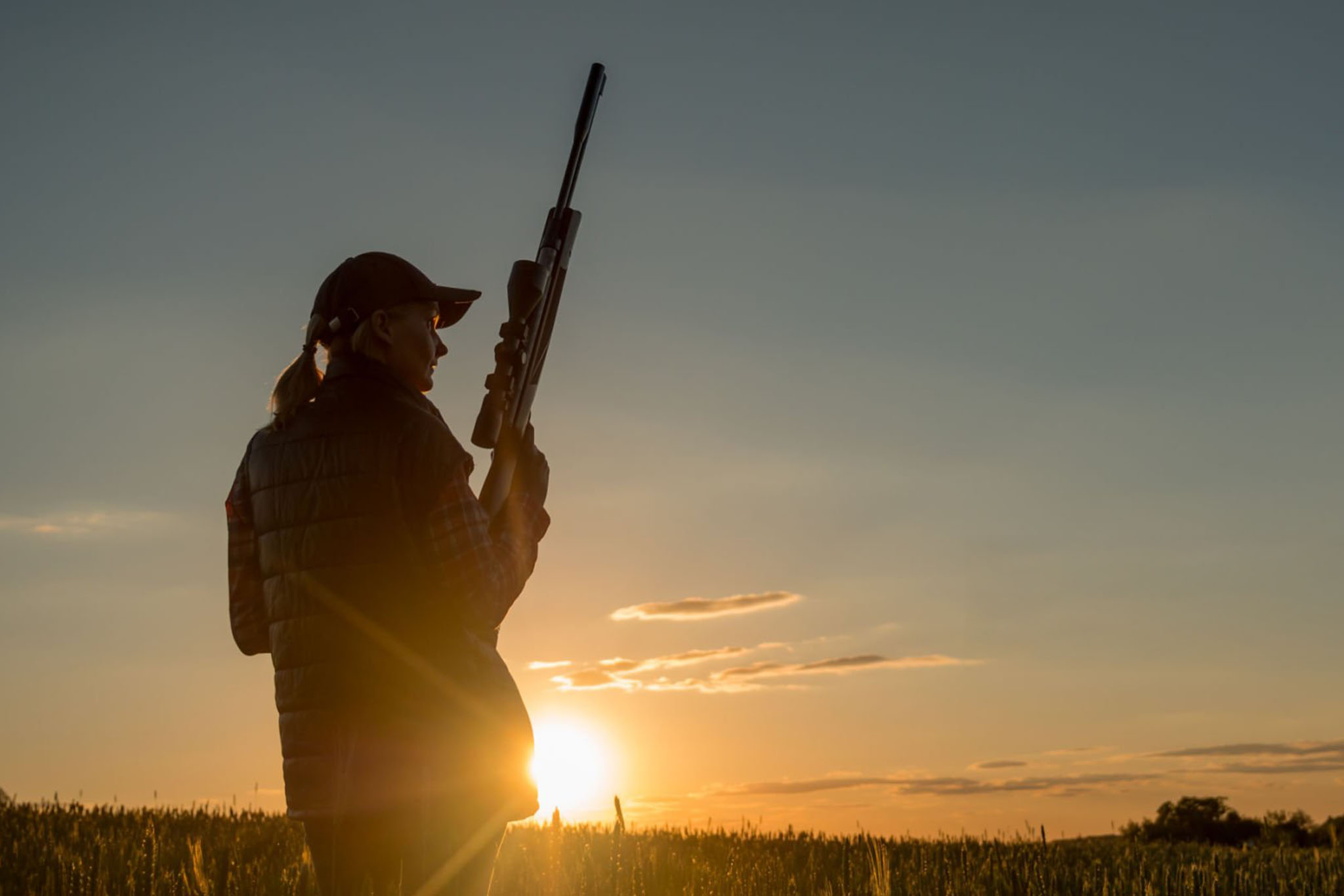
Winter hunting presents unique challenges. The once vibrant sounds of the forest—chirping birds, rustling leaves, and chattering squirrels—are replaced by an eerie quiet. As temperatures drop and snow blankets the ground, the woods can feel unnaturally still. But this quiet isn’t a hindrance; it’s an opportunity. Understanding how to adapt to these dead calm conditions can make you a more effective and stealthy predator.
Winter’s silence creates an environment where even the slightest sound can make or break your hunt. Whether you’re targeting deer, predators, or other game, mastering the art of silent hunting in winter is the key to success.
The Quiet Advantage: Why Sound Travels Differently in Winter
First, let’s explore why the woods are so quiet in winter and how that affects hunting tactics.
1. Frozen Ground, Quiet Footsteps
When the ground freezes, it no longer muffles the sound of your footsteps. Every crunch of snow or crack of ice can alert animals long before they see you. The key is to minimize movement and walk softly. But this also means that your sound-carrying capabilities change. Any noise you make is amplified, so you’ll need to pay even more attention to remaining undetected.
2. Reduced Animal Activity
As temperatures drop, many animals move less, conserving energy. Game like deer, for instance, become less active during the day and more nocturnal. This makes the hunt more challenging, as there are fewer opportunities to spot them. However, the calm air means that you can hear the movement of animals from a further distance, so you’ll need to tune your senses to hear the slightest rustle or crunch, signaling the approach of your quarry.
3. Wind Lessens, Sound Amplifies
In winter, especially on clear days, the wind often dies down at dawn and dusk. The lack of wind can help your calls travel farther and reach animals from a greater distance. But in the same breath, you need to stay quiet and still, because any sound will carry in these still conditions.
Adapting to the Silence: Tactics for Winter Hunting
Now that we understand the effects of winter silence on the environment, it’s time to tailor our tactics. The quiet offers challenges, but also advantages when approached correctly.
1. Perfect Your Stealth
In winter, stealth is everything. Since sound carries further, you can no longer rely on being a “silent observer” from a distance. Every movement counts. Here are some tips for staying undetected:
- Slow Your Pace: Take your time when moving through the woods. Move carefully, using snowshoes or boots that minimize noise on the snow.
- Stay Low: Animals are more likely to hear you when you’re standing tall. Stay low when you move, crouching behind trees, rocks, or other cover.
- Pause Frequently: The stillness of the forest is often broken by slight sounds. By pausing periodically, you give your surroundings time to “reset,” and any noise made by animals in the area can be more easily heard.
2. Focus on Sightlines
With fewer sounds to mask your approach, you’ll need to rely more heavily on visual detection. Look for any movement in the distance, such as an animal’s breath rising in the cold air or the flick of a tail.
Focus on areas where animals might move during the winter, like:
- Thick cover near feeding areas – Deer, especially, are likely to stick to brush or thickets when the cold weather hits.
- Riverbanks and frozen lakes – Many animals, like predators, will move toward water sources even in winter, as these are essential for survival.
3. Master the Winter Call
When hunting predators, the lack of wind can actually give you a better chance at calling, but your calls need to be subtle and calculated. A loud call in the winter woods will travel too far and could alert animals to your presence.
- Soft Calling: Start with low-volume calls—whether it’s a predator distress sound or a gentle bleat for deer.
- Vary Your Calls: If you’re using a distress call, experiment with high-pitched and low-pitched variations. Coyote pups or rodent distress calls, for example, can be especially effective.
- Play the Wind: Even when it’s still, pay attention to thermal winds, which can carry sounds in unpredictable ways. Make sure you position yourself downwind to avoid giving away your location.
4. Plan Your Stand Location
While the stillness of winter can work to your advantage, it also means that deer or predators may hold up in the thickest cover to stay warm. When setting up your stand or blind, consider areas that offer natural concealment. Look for:
- Hollows or gullies where deer like to bed down.
- Windbreaks created by large rock outcroppings or groves of trees, which allow for a bit of warmth during the frigid nights.
- Edge areas where fields meet woodlines or thickets—predators will often roam these areas looking for food sources.
5. Use the Stillness to Your Advantage
The winter stillness works in your favor by making it easier to hear approaching animals. When hunting deer, for example, listen for the faintest crunch of hooves or a snort. If you hear it, freeze and prepare for the shot. In predator hunting, keep your ears tuned to the direction of your calls—if you hear a rustle or faint howl, adjust your position to intercept.
Other Considerations for Winter Hunting
Dress for the Cold
Winter hunting means battling the cold, but also staying mobile. Use a layering system to ensure warmth without sacrificing comfort. Start with moisture-wicking base layers, then add insulation and a windproof outer layer. Quiet, insulated boots are a must for staying warm and stealthy in the snow.
Take Advantage of Shorter Days
With shorter days, animals often begin their movement earlier. Get into your stand before first light and be prepared to stay through the twilight hours. Predator activity often peaks around dusk and dawn, so these windows are crucial.
The Reward of Winter Hunting: Patience and Precision
The woods are silent, the air cold, and the days short. But this is the season for precision hunting, where patience pays off. Whether you’re hunting predators or big game, winter offers a unique set of challenges that, when properly managed, result in incredible rewards. So, embrace the silence. Let it become your ally. Use it to listen closely, move silently, and outwit your prey.
