
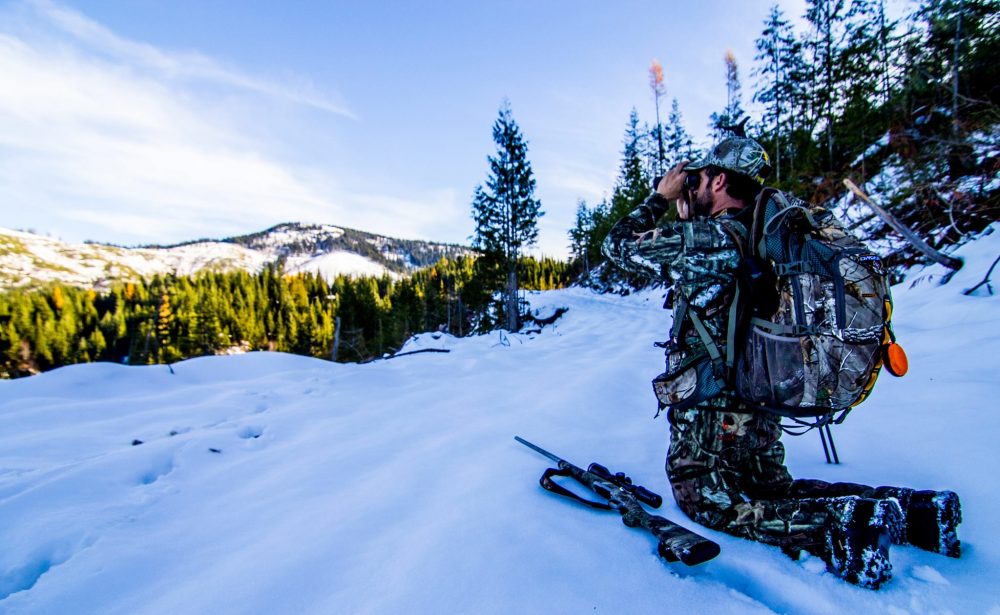
When the first true winter fronts push through and the landscape turns white, many hunters assume big bucks simply disappear. But mature whitetails aren’t vanishing—they’re shifting. Snow lines reshape deer behavior faster than any other seasonal change, compressing their travel routes, tightening their bedding patterns, and creating hidden pockets where the oldest bucks hunker down.
To consistently tag a mature buck in winter, you must understand how snow depth, temperature swings, and food scarcity funnel big deer into highly predictable zones. This guide breaks down the science, strategy, and late-season setups that reveal where those cagey bruisers hide when snow hits the ground.
Why Snow Changes Everything for Mature Bucks
1. Energy Conservation Rules Every Decision
Winter pushes bucks into a strict calorie-conservation mode.
Deep snow increases energy burn by up to four times, so mature bucks adopt:
- Shorter movements
- Lower-risk routes
- Tighter daylight bedding patterns
This makes their behavior more predictable—but also more cautious.
2. Snow Depth Creates Natural Barriers
Shallow snow (0–4 inches) hardly affects deer travel.
But once snow reaches 6–10 inches, big bucks seek:
- South-facing slopes
- Wind-protected ridges
- Thermal pockets
- Edges of conifers
Deep snow turns the woods into a maze of usable and unusable terrain—and bucks follow the easiest paths.
3. Food and Cover Collapse at the Same Time
Winter reduces:
- Green browse
- Acorn availability
- Ground vegetation
- Edge diversity
Because food and cover shrink simultaneously, mature bucks cluster in tight areas where both needs overlap.
Where Mature Bucks Hide When the Snow Line Moves In
1. South-Facing Bedding Slopes
When winter hits, every mature buck becomes a solar-panel expert.
South-facing slopes provide:
- Maximum sunlight
- Less snow accumulation
- Warmer bedding temperatures
Expect big bucks to bed high on the slope, just below the crest to catch sun without getting winded.
2. Cedar and Pine Thermal Bubbles
Conifers trap heat, block wind, and dramatically reduce snow depth underneath. Bucks gravitate toward:
- Cedar swamps
- Pine flats
- Spruce pockets
Tracks often reveal a bedding “rotation circle” that mature bucks use throughout the winter.
3. Leeward Ridges
Traditional rut bedding shifts slightly in winter, but leeward ridges remain prime because they offer:
- Minimal wind exposure
- Good visual advantage
- A warm thermal pillow created by rising air
Snow makes these ridges even more attractive when the wind howls.
4. Creek Bottoms and Low-Traffic Drainages
When snow piles up, bucks drop into:
- Drainages
- Small creek bottoms
- Timbered gullies
These areas provide:
- Softer travel routes
- Wind protection
- Hidden escape paths
Heavy trails in the snow reveal exactly where big deer are funneling.
5. Cutovers With Browsable Regrowth
Regenerating cutovers with young saplings offer:
- Thermal cover
- Abundant browse
- Protection from predators
Adult bucks will bed inside dense regrowth, often no more than 40–80 yards from their feeding source.
6. Standing Crops and Food Plots
If you have:
- Standing corn
- Soybeans
- Winter wheat
- Brassicas
…you have a magnet for late-season bucks. These food sources are often the only calorie-rich feed available.
Most mature bucks bed within 150–300 yards of high-energy food plots once the snow flies.
How to Hunt Bucks Effectively Once Snow Covers the Ground
1. Use Snow to Read Fresh Sign
Snow isn’t an obstacle—it’s free intel.
Look for:
- Travel trenches
- Fresh droppings
- Clustered beds
- Single-file buck trails
- Directional tracks leading to wind-protected cover
A fresh track can lead you straight to that day’s bedding zone.
2. Hunt the Bedding Perimeter—Not the Bed
Late-season bucks are hypersensitive.
Set up:
- 80–120 yards downwind of the suspected bed
- On trails leading to food
- Behind natural cover to conceal movement
You’re hunting their exit path, not their sanctuary.
3. Late Afternoon Is King
Unlike the rut, early winter is all about:
- Limited daytime movement
- Predictable feeding windows
- Short energy expenditures
Most mature bucks rise from their bed in the last 45–90 minutes of daylight.
Plan your sits around this window.
4. Use Wind and Thermals Together
Cold weather intensifies thermals.
Evening thermals fall faster and harder in winter, pulling scent straight into the valleys.
Position yourself:
- High enough to avoid dropping thermals
- Low enough to stay hidden from skyline danger
Wind and thermals must align in late-season hunts.
5. Get Quiet—Winter Echoes Every Mistake
Snow amplifies:
- Metallic clicks
- Clothing rub
- Boot squeaks
Choose:
- Soft-shell outerwear
- Rubberized gear
- Quiet stand setups
Silence is deadly in December and January.
What Makes Mature Bucks Truly “Disappear” in Winter
Many hunters believe bucks go nocturnal when snow arrives.
What really happens is:
1. Their home range shrinks drastically
From hundreds of acres to just 20–60 acres.
2. They follow terrain instead of food
Travel becomes more about conserving calories than finding feed.
3. They avoid wind exposure at all costs
Bucks will bed in places hunters overlook simply because the wind is tolerable.
4. They use micro-feeding windows
Small feeding spurts throughout the day—not long movements.
Understanding these patterns is the key to finding late-season giants.
Final Thoughts: Snow Doesn’t Hide Big Bucks—It Reveals Them
Snow narrows down the landscape, making a buck’s survival-driven decisions more obvious. If you know how to read terrain, bedding structure, snow depth, and energy patterns, you gain a huge advantage over late-season whitetails.
When winter pushes in, don’t assume your buck disappears—he simply retreats to the safest, warmest, most energy-efficient pocket in his range.
