
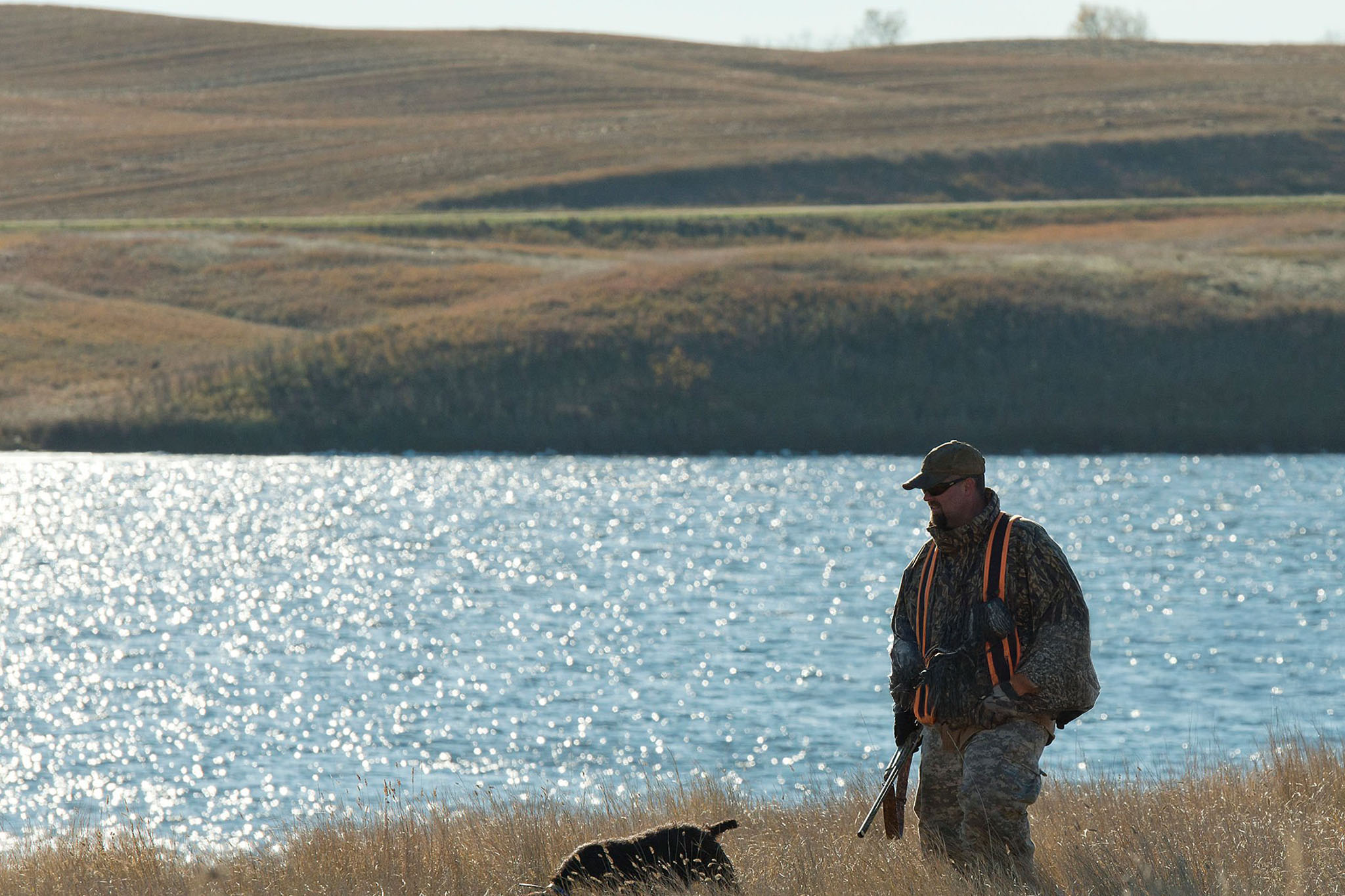
When early winter finally snaps its icy fingers, shallow marshes, potholes, and backwater sloughs are the first places to lock up. For most hunters, frozen water means the end of easy duck habitat—no more flooded grass edges, no more knee-deep hideouts, no more slow-moving pockets where dabblers loaf and feed.
But for hunters who understand waterfowl behavior, ice-up is not the end—it’s the beginning of one of the most predictable, high-success windows of the entire season. When sheet ice covers the skinny stuff, ducks don’t disappear. They consolidate. They move. And they concentrate in open water areas that remain accessible, warm, or oxygen-rich.
If you know where to look, winter’s freeze becomes an advantage, not a setback.
Why Ducks Leave Frozen Marshes
As soon as ice forms, ducks lose access to both food and safety. Frozen shallows cut off:
- Vegetation beds where dabblers feed
- Mudflats holding invertebrates
- Roost pockets protected by cattails
- Safe loafing areas where ducks can rest without disturbance
Ducks can’t waste energy breaking ice—they need to conserve calories to survive winter conditions. So their response is simple: move to the closest available open water.
This shift is incredibly reliable, which means hunters can predict where the birds will funnel long before sunrise.
Prime Open-Water Areas Ducks Rely on During Ice-Up
To take advantage of this seasonal movement, focus on water sources that resist freezing longer than the marsh around them.
1. Rivers and Major Flowing Water
Moving water stays warmest, longest.
Ducks favor:
- River bends
- Slow eddies
- Back channels with slight current
- Gravel bars that hold oxygen-rich feeding zones
Mallards, black ducks, and goldeneyes particularly love moving water once smaller systems lock up.
2. Spring-Fed Lakes and Creeks
Natural springs pump warmer water into the system, creating pockets of open water surrounded by ice. These are magnets for late-season birds because they offer predictable feeding and safe loafing.
Hunters who scout these areas often find hundreds of ducks packed into a single acre of open water.
3. Reservoirs and Deep Lakes
Large bodies freeze slowly and in patches.
Key areas include:
- Dam outflows
- Wind-blown shorelines
- Channels connecting deep basins
- Power-plant warm water discharge zones
These spots offer both safety and consistent open water.
4. Agricultural Drainage Ditches
These narrow, overlooked waterways often stay open due to moving water and thermal runoff. When marshes lock up, dabblers will pile into these tight channels to feed on waste grain.
Late-Season Scouting: Reading the Ice to Find Ducks
Finding ducks during freeze-up is all about patterning the birds’ shifts.
Watch Temperature Swings
A single warm afternoon can reopen pockets in shallow water. Ducks will return immediately if food becomes accessible again, even for a few hours.
Glass from a Distance
Ice-up congregates birds, meaning:
- Big rafts on bigger water
- Tight clusters in open pockets
- Birds constantly moving between open lanes
A good spotting scope or binoculars helps locate these groups without pushing them off the roost.
Follow Mallard Flights at Dusk
Mallards returning to roost will show you exactly where open water remains. Follow the last 20 minutes of evening movement, and you’ll often discover your next morning setup.
Late-Season Gear and Setup Strategies
As marsh cover disappears, your approach needs to adapt.
1. Hide on Hard Edges, Not in Cattails
When ice covers vegetation, hides become tougher. Natural concealment is now found on:
- Rocky shorelines
- Brush piles
- Ice shelves
- Sandbars
Use white or gray blind covers to blend with frost or snow.
2. Use Heavier, High-Contrast Decoys
Open-water ducks raft up tightly. Use:
- Big diver spreads
- High-visibility mallard drakes
- Motion decoys set farther out
Even dabblers respond well to diver-style realism when water is deep and clear.
3. Expect Longer Shots
Cold air is crisp, birds are wary, and open water gives them room to maneuver. Opt for:
- BB or #2 steel
- Patterned chokes for 35–45 yards
- Steadier footing with ice cleats or studded boots
4. Safety Becomes Critical
Late-season water is deadly cold. Always wear:
- A quality PFD or inflatable vest
- Insulated waders
- Layers that stay warm when wet
This is not the time for shortcuts.
Understanding Duck Behavior in Open Water
Ducks behave remarkably predictably when ice forces them into tight water corridors.
They raft in large numbers.
Safety in numbers becomes essential, especially for divers and mallards.
They feed deeper and later in the day.
Cold water slows metabolism and reduces early morning feeding.
They shift roosts closer to food.
Open-water roosts may be small in size but extremely important.
They fly low over ice shelves.
Ice funnels flight paths, creating natural choke points for hunters.
If you follow these behaviors, your late-season success skyrockets.
Final Takeaway: Ice Doesn’t End the Migration—It Guides It
When shallow marshes freeze, most hunters assume the season is done. But the truth is the opposite: ducks consolidate into predictable, concentrated open-water zones. If you’re willing to scout, adapt, and embrace the cold, you’ll find one of the most rewarding phases of the entire season.
