
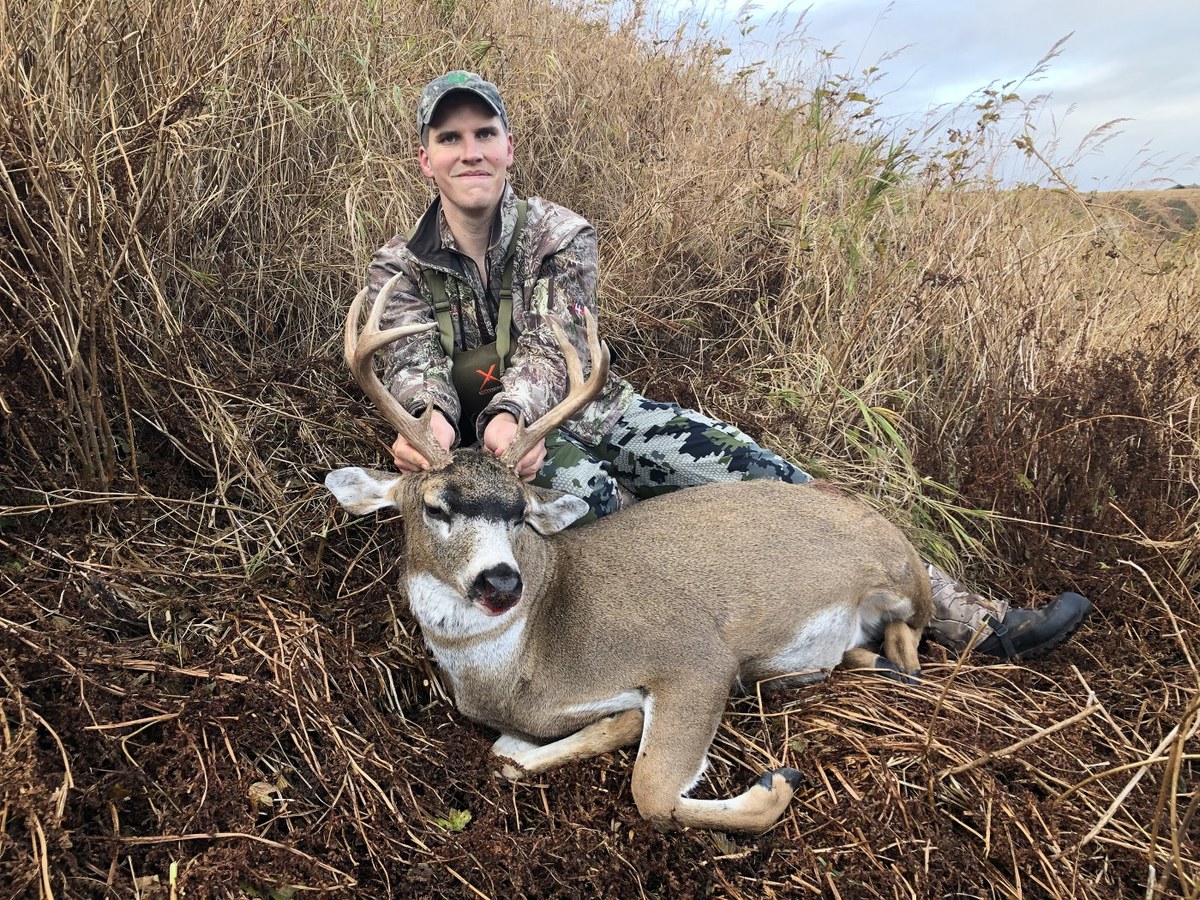
Introduction: The Art of Moving Slow When the Woods Are Silent
Late-season hunting tests every hunter’s patience, precision, and mental toughness. The woods have thinned out, the leaves are brittle, and every step seems to echo through the frosty air. Yet, for those who understand the rhythm of the cold and the language of the forest floor, still-hunting in late fall becomes an art form.
Unlike stand hunting or running drives, still-hunting requires you to merge with the woods—to read every sound, sense every movement, and let the landscape reveal the game to you. As temperatures drop and deer shift into survival mode, mastering quiet movement can turn a slow day into your most rewarding hunt of the year.
1. Understanding the Late-Season Advantage
By the time the rut ends and the first frost coats the timber, deer behavior changes dramatically. Bucks that were once driven by instinctive energy now focus on food and safety. They retreat to thick cover, move cautiously, and feed during the warmest parts of the day.
This shift creates both a challenge and an opportunity. While movement patterns are reduced, deer are more predictable. Still-hunting allows you to close the distance quietly, reading sign and adjusting in real time—something you can’t do from a stationary blind.
2. Reading the Wind: The Silent Partner in Your Stalk
The number one rule in still-hunting—the wind is your ally, or it’s your enemy.
Always start with the wind in your face or quartering across your path. Late-season air is heavier and carries scent further, so even a slight shift can ruin an approach.
Use a wind checker or a puff bottle frequently, especially when the terrain changes—moving from open ridges into hollows or draws often reverses wind flow. In calm conditions, move slowly and use thermals to your advantage: as the day warms, air rises; as it cools, it sinks. Timing your movements with these natural shifts keeps your scent away from the deer’s nose.
3. The Perfect Pace: Patience Over Progress
In still-hunting, covering ground means nothing if you’re not observing. A seasoned still-hunter might move 100 yards in an hour. The goal isn’t to go somewhere—it’s to see without being seen.
Here’s a rhythm that works:
- Take two or three slow steps, then pause for 30 seconds to a minute.
- Use your eyes first, not your head—scan ahead for movement, color contrast, or shape.
- Avoid a constant pattern; vary your pauses, because predictability can betray you.
Every sound in late season is amplified. If a twig snaps underfoot, stop immediately. Let the forest settle again. Often, a startled deer will pause, trying to identify the sound. Your silence afterward can turn curiosity into opportunity.
4. Using Terrain and Shadows to Your Advantage
Bare woods in late season make concealment harder—but not impossible. Terrain becomes your best camouflage. Move along the downside of ridges, where your silhouette breaks the horizon. Stick to the shadows of pines or cedars instead of crossing open hardwoods under sunlight.
Pay attention to the sun’s angle. During early morning or late afternoon, long shadows stretch across the forest floor, helping you blend in naturally. Avoid skyline movement, and if you must cross open ground, move slowly and directly—quick darting movements attract attention.
5. Reading Fresh Sign: The Language of the Late Woods
After snow or frost, fresh sign tells a clear story. Look for:
- Feeding sign: Deer paw through leaves to reach acorns or leftover crops.
- Tracks: Crisp edges mean recent movement; rounded or melted edges suggest older activity.
- Droppings: Still warm? You’re close.
- Beds: Flattened leaves in protected spots under thick cover mark current bedding areas.
By connecting these clues, you can predict direction and timing. If you notice tracks heading uphill in the morning, deer are likely returning from feeding areas to bed. Adjust your approach to intercept them near travel routes or benches.
6. Gear That Keeps You Quiet and Ready
Still-hunting is as much about gear discipline as it is about movement. Choose equipment that complements stealth:
- Clothing: Soft, quiet fabrics like fleece or brushed wool that don’t rustle. Avoid Velcro closures or noisy zippers.
- Boots: Lightweight, flexible soles with solid traction. Insulated but silent—rubber boots or well-broken-in leather models like Hisea hunting boots work perfectly for cold, damp terrain.
- Weapon: If rifle hunting, use a sling with padding to prevent metal-on-metal noise. If bowhunting, keep your arrows secured and quiver tight.
- Accessories: Carry only what’s necessary. Loose gear clanking against each other can betray even the most careful stalk.
7. Timing the Hunt: Midday Magic
Many hunters pack up after sunrise, but late-season deer often move when the sun begins to warm the air—between 10 a.m. and 2 p.m. That’s prime time for still-hunting.
Deer rise from their beds to stretch or feed briefly before settling again. By moving slowly through known bedding areas during this window, you can catch them off-guard while other hunters are long gone.
8. The Mental Game: Focus and Flow
Still-hunting isn’t about chasing—it’s about belonging. The mindset required is closer to meditation than pursuit. You’re constantly analyzing small details—the angle of the wind, the flicker of a tail, the sound of distant movement.
It’s easy to get impatient, but remember: success in still-hunting is measured not only in harvests but in connection. Each step deepens your understanding of the woods. Every rustle, every breath of wind tells a story.
Conclusion: Silence Speaks the Loudest
Late-season still-hunting isn’t for everyone. It demands patience, discipline, and humility. The woods are cold, the leaves betray your every move, and your breath fogs the air with each step. But those who master it—those who learn to move with the forest, not through it—discover something rare: an intimacy with the wild that no blind or tree stand can offer.
So next time the ground crunches beneath your boots, don’t rush it. Slow down. Breathe. Listen.
The woods may be silent—but they’re always speaking to those who know how to hear.
