
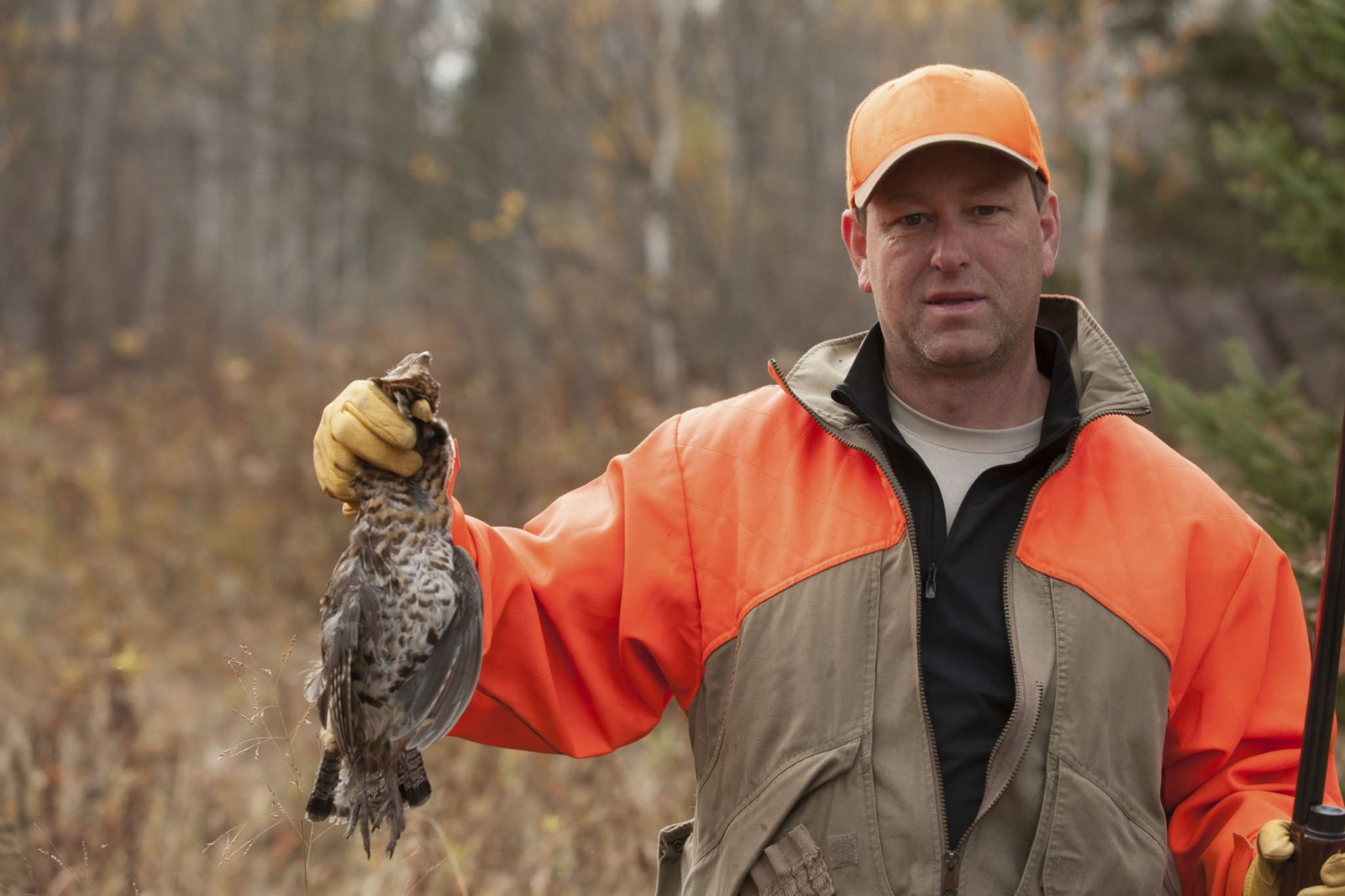
When the edges of the pond turn to glass and the first skim of ice crunches beneath your boots, most hunters start thinking about hanging up their waders. But for the dedicated few who stay in it when the cold bites hardest, this is when the best duck hunting of the year begins. The crowds are gone, the birds are bunched, and the skies can fill with greenheads searching desperately for one thing — open water.
Late-season duck hunting, when ponds start freezing over, is equal parts patience, toughness, and precision. It’s about reading the weather, finding the right water, and making the kind of small, smart adjustments that separate those who limit out from those who head home empty-handed.
Why Frozen Ponds Mean Opportunity
When temperatures dip below freezing, the duck landscape changes overnight. Small ponds and shallow sloughs lock up quickly, forcing birds to relocate to the last remaining open water. These spots — creeks, rivers, spring-fed marshes, and big reservoirs — become magnets for ducks that need to rest, feed, and stay safe.
For hunters, this consolidation works in your favor. Instead of being spread across dozens of wetlands, ducks funnel into fewer areas, often in predictable patterns. If you can find open water when everything else is frozen, you’ve found gold.
Pro tip: Focus your scouting efforts on moving water. Even a small trickle that keeps a few feet of water open can attract large numbers of birds, especially during early mornings and late afternoons when they feed.
Scouting in Subzero Conditions
Finding where ducks go once the ponds freeze requires more than just glassing from the truck. Ducks can shift their habits daily based on wind, temperature, and sunlight.
Start with aerial maps — look for creeks that cut through farmland, or warm-water discharges near power plants, which often stay open year-round. Then, scout at midday when ducks are most active. Watch where flocks settle and take note of the direction they’re flying at sunrise and sunset.
And don’t ignore private farm ponds. If one still has open water, ducks will stack in there fast. A respectful knock on a landowner’s door can sometimes unlock the best hunt of the year.
Breaking Ice — The Right Way
If your favorite spot starts to freeze, that doesn’t mean you have to abandon it. With a little effort, you can turn it back into a duck magnet.
1. Make a hole. Use a spud bar, paddle, or even a small ice saw to open up a landing zone big enough for ducks to see from above. A few square yards of open water surrounded by ice can look incredibly realistic.
2. Keep it open. Ducks are drawn to movement, and open water stands out like a beacon. A jerk string, battery-powered agitator, or ice eater can prevent refreezing and create ripples that mimic feeding activity.
3. Add realism. Set your decoys close to the ice edges, where birds naturally loaf, and leave a defined pocket for landing. A dozen decoys is often plenty — late-season ducks trust smaller, quieter groups.
Calling: Less Sound, More Subtlety
By the time ponds freeze, ducks have heard every call from Canada to the Gulf. Loud, aggressive sequences can spook them instead of attract them.
Switch to a softer, conversational tone — low quacks, quiet feed chuckles, and occasional greeting calls. The goal is to sound like a small group of relaxed ducks, not an echoing contest routine.
When ducks circle, resist the urge to keep calling. Let their curiosity and your realistic spread do the work. Sometimes silence seals the deal better than any call.
Timing Is Everything
Late-season ducks move with the weather. Watch for cold fronts, which push new flocks south and rejuvenate stale hunting grounds.
Right before a front, birds feed heavily to fuel their migration — that’s prime time. Immediately after the front, when temperatures plummet, they seek shelter and open water, giving you another window of opportunity.
Afternoons often produce better action during freeze-ups. The sun can loosen ice, open small holes, and make ducks more active as they prepare to roost for the night.
Gear Up for the Cold
When hunting through frost and frozen edges, comfort becomes a critical part of success. Cold feet or stiff fingers can ruin your focus faster than empty skies.
- Insulated waders: Choose neoprene or insulated breathable waders with thick socks or boot liners.
- Layer smart: Moisture-wicking base, insulated mid-layer, and a waterproof outer shell.
- Hand protection: Keep a dry pair of gloves in your blind bag. Use one set for setting decoys and another for shooting.
- Hot comfort: A thermos of coffee or broth and chemical toe warmers can keep you sharp through the coldest sits.
Remember: Being warm keeps you still — and still hunters kill more ducks.
The Safety Side of Frozen Hunts
Breaking ice and hunting in freezing temperatures carries real risks. Always test the ice thickness before walking, especially around current or submerged vegetation.
Avoid overloading small boats with gear or dogs — even a minor slip in icy water can become deadly fast. Always wear a life jacket and keep dry clothes in your truck. A frozen marsh is no place for careless mistakes.
When the Cold Brings the Best
Some of the best hunts of the season happen when your breath turns to fog and your decoys need to be chipped out of the ice. It’s those moments — when flocks circle low over a pocket of open water you carved yourself, and the world feels utterly still — that define what duck hunting is all about.
Hunting when the ponds start freezing isn’t just about filling the strap; it’s about embracing the challenge. It’s the quiet beauty of a frost-covered marsh, the teamwork of dog and hunter, and the reward of perseverance when most others have called it quits.
So next time your boots crack through ice on the walk in, don’t curse the cold — welcome it. Because cold feet often mean full skies, and the best waterfowl memories are written on frozen mornings.
