
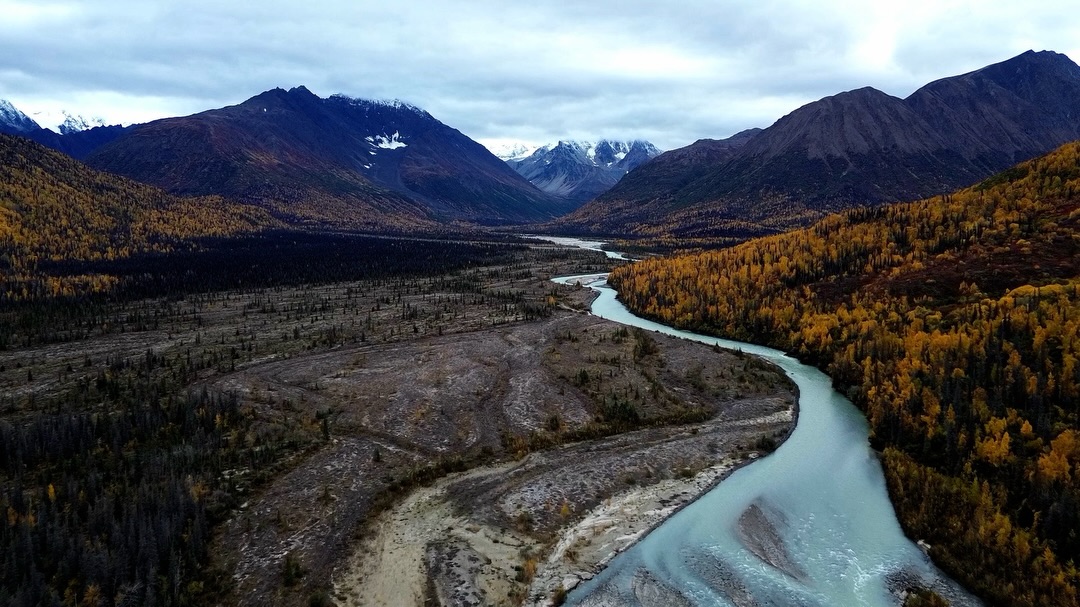
Late summer creates some of the toughest and most misunderstood hunting conditions of the year. Food remains abundant in many regions, deer movement shrinks dramatically, and daylight activity becomes increasingly difficult to predict. One of the few environmental features that consistently continues to attract deer movement during this period is water—especially creek systems.
But many hunters make a critical mistake: they assume deer use creek crossings the same way in late summer as they do during cooler months or the rut.
In reality, dry late-summer conditions completely change how deer interact with creek systems, crossing points, and surrounding terrain.
Understanding these changes can help hunters locate highly predictable movement patterns during one of the slowest movement periods of the year.
Why Creek Systems Become Critical in Late Summer
As summer heat intensifies:
- Surface water sources disappear
- Small ponds shrink
- Vegetation dries out
- Heat stress increases daily
Creeks become more than travel routes—they become survival corridors.
They provide:
- Cooler temperatures
- Shade cover
- Moisture-rich vegetation
- Stable thermals
- Reliable hydration access
Because of this, deer movement often compresses tightly around creek environments.
Why Deer Stop Using Creek Crossings Normally
During cooler seasons:
- Deer may cross creeks frequently and casually
- Water levels remain manageable
- Thermal stress is lower
- Broader movement patterns exist
But in late summer dry conditions, deer become far more selective.
They cross differently because:
- Energy conservation becomes critical
- Water availability changes
- Creek terrain shifts physically
- Security cover becomes more important
How Dry Conditions Change Creek Crossings
1. Water Levels Drop and Alter Terrain
Low water conditions expose:
- Mud flats
- Gravel bars
- Hard-bottom crossings
- Narrow choke points
This reshapes natural movement routes.
Deer begin favoring:
- Easier footing
- Cleaner crossing locations
- Areas with nearby shade and escape cover
2. Creek Beds Become Travel Corridors
In dry conditions, deer often stop simply crossing creeks and start traveling inside them.
Why?
Creek bottoms provide:
- Cooler ground temperatures
- Softer airflow
- Reduced visibility
- Better scent protection
This allows deer to move more comfortably during hot weather.
3. Crossings Become More Security-Oriented
In summer heat, deer rarely expose themselves unnecessarily.
Crossing locations shift toward:
- Heavily shaded bends
- Brush-covered banks
- Tight timber corridors
- Overgrown creek bottlenecks
Open crossings become far less attractive during daylight.
Why Creek Thermals Matter So Much in Summer
One of the biggest hidden advantages of creek systems is thermal behavior.
Cool air naturally settles into creek bottoms, especially:
- Overnight
- Early morning
- After rain events
This creates:
- More stable scent conditions
- Cooler movement lanes
- Better daytime bedding zones nearby
Deer often follow these thermal-safe corridors repeatedly during summer.
How Deer Timing Changes Around Creek Crossings
Late summer movement timing becomes extremely compressed.
Morning Movement
At first light:
- Deer return from feeding areas
- Creek bottoms offer cool travel conditions
- Crossing activity may briefly increase
Movement often occurs:
- Along shaded internal routes
- Near bedding cover transitions
Midday Behavior
During peak heat:
- Deer reduce major crossing activity
- Movement shrinks into creek-bottom cover
- Bedding areas stay close to moisture and shade
Most deer remain:
- Near thermal-safe creek pockets
- Inside dense vegetation
Evening Movement
As temperatures fall:
- Deer begin exiting creek systems gradually
- Crossings near feeding zones become active briefly
- Shadow expansion improves movement confidence
Why Certain Creek Crossings Become “High-Probability” Spots
Not all crossings are equal during late summer.
The best crossings combine:
- Shade
- Stable footing
- Nearby bedding cover
- Favorable thermals
- Low human pressure
Key Features to Look For
Narrow Timber Funnels
Deer prefer crossings where cover naturally compresses movement.
Hard Bottom Crossings
Rock or gravel bottoms reduce noise and improve footing.
Shade-Protected Banks
Crossings exposed to direct sun become less attractive during daylight.
Nearby Escape Cover
Deer want immediate access to security after crossing.
How to Hunt Creek Crossings in Late Summer
Step 1: Focus on Internal Creek Systems, Not Large Open Crossings
Many hunters target obvious crossings near fields or open trails.
But summer deer prefer:
- Hidden internal movement routes
- Covered creek sections
- Tight shaded bends
Step 2: Hunt Thermal Edges, Not Just the Water Itself
The best setups often occur:
- Slightly above creek bottoms
- Along transition ridges
- Near airflow changes
This avoids contaminating the crossing directly with scent.
Step 3: Use Low-Impact Access Routes
Creek systems hold scent heavily during still summer conditions.
Avoid:
- Walking directly through crossings repeatedly
- Entering bedding corridors
- Disturbing muddy edges excessively
Step 4: Watch for Fresh Summer Sign
Dry conditions create highly visible sign.
Look for:
- Fresh mud tracks
- Damp trail impressions
- Recently disturbed gravel
- Wet vegetation movement
Fresh sign matters far more than historical trail use.
Why Trail Cameras Often Mislead Hunters Near Creeks
Summer deer movement near creek systems can become:
- Extremely localized
- Highly time-sensitive
- Hidden under canopy cover
Many cameras miss movement because:
- Deer travel inside creek bottoms
- Crossings shift with water level changes
- Daylight movement occurs under dense cover
Camera placement must adapt constantly during dry conditions.
Common Mistakes Hunters Make
1. Hunting open creek crossings during daylight
Most summer deer avoid exposure in heat.
2. Ignoring creek-bottom travel patterns
Deer often travel within the creek system instead of simply crossing it.
3. Overpressuring limited water corridors
Late-summer deer become extremely sensitive around critical water access.
4. Treating all creek crossings equally
Thermals, shade, footing, and cover all matter simultaneously.
Real-World Scenario
A hunter notices declining activity around traditional field-edge trails during a late-August dry spell.
After scouting creek systems:
- Water levels are unusually low
- Fresh tracks appear inside shaded creek-bottom bends
- Deer movement avoids exposed crossings completely
The hunter shifts deeper into a timbered creek funnel where:
- Cool airflow remains stable
- Hard gravel crossing improves movement
- Shade cover hides daytime travel
Within days:
- Daylight sightings increase
- Movement becomes predictable
- Multiple deer consistently use the same thermal-safe crossing zone
Why it worked: The hunter adapted to late-summer survival behavior rather than relying on standard crossing patterns.
Final Thoughts
Late-summer dry conditions dramatically reshape how deer use creek systems. What once served as simple travel routes become critical survival corridors built around temperature control, moisture access, thermal security, and low-stress movement.
Hunters who understand these changes stop focusing only on obvious crossing points and begin identifying the hidden environmental advantages deer prioritize during extreme heat.
Because in late summer, successful deer hunting is not about finding where deer want to travel—
it’s about finding where deer can move comfortably, safely, and efficiently while surviving difficult environmental conditions.
