
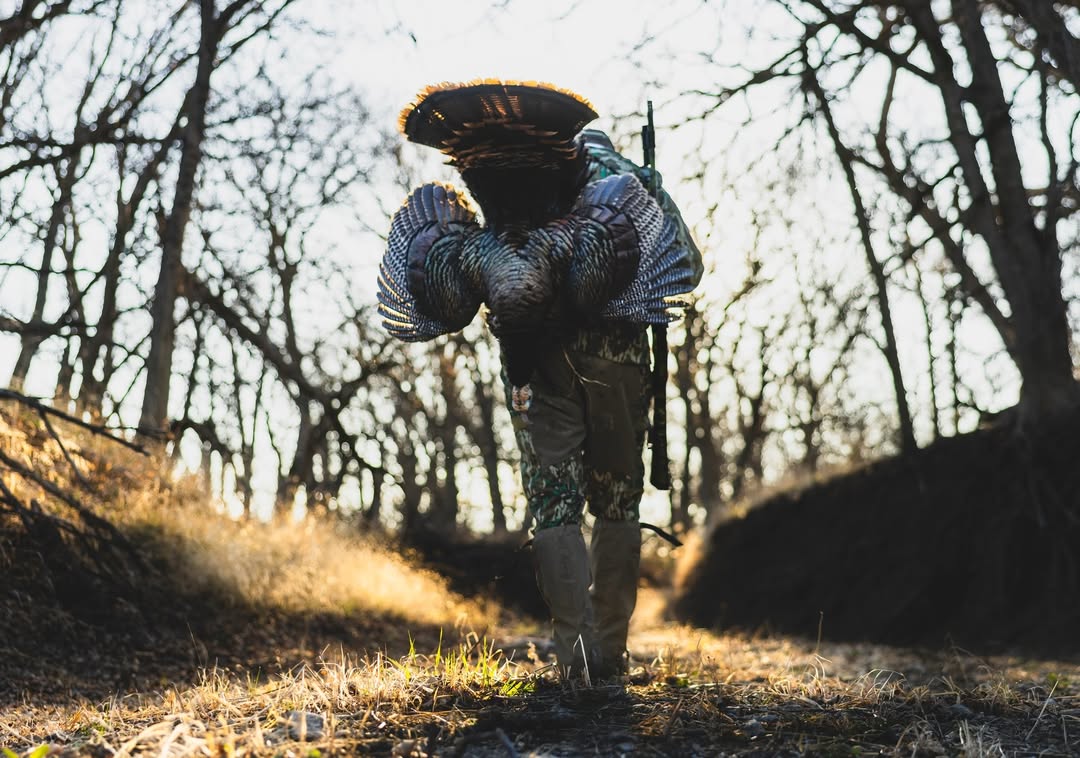
In early summer across the United States, many hunters struggle with a common problem: game seems to disappear. With dense vegetation, rising temperatures, and shifting food sources, traditional scouting methods often fall short. But experienced hunters know the truth—animals don’t vanish. They concentrate.
The key is learning how to identify and hunt micro-habitats—small, highly specific pockets within a larger landscape that offer ideal conditions for feeding, bedding, and movement. Mastering this concept can dramatically increase your success rate, especially during the challenging early summer transition period.
What Is a Micro-Habitat?
A micro-habitat is a localized area—sometimes no larger than a few yards—that provides a perfect combination of:
- Shade
- Moisture
- Food availability
- Security cover
- Thermal advantage
While the surrounding terrain may seem lifeless or overgrown, these small zones act like magnets for wildlife.
Key Insight: In early summer, animals prioritize comfort and efficiency. Instead of roaming widely, they cluster in areas that meet multiple needs at once.
Why Micro-Habitats Matter More in Early Summer
As temperatures rise and plant growth peaks, animal behavior shifts in predictable ways:
- Heat avoidance: Game seeks cooler, shaded environments
- Energy conservation: Movement decreases during midday
- Food transition: Spring food sources fade, and summer forage emerges
- Pressure adaptation: Animals avoid open, exposed terrain
This creates a scenario where 80% of animal activity can occur in just 20% of the land—often within micro-habitats.
Key Types of Micro-Habitats to Target
1. Shaded North-Facing Slopes
North-facing slopes receive less direct sunlight, making them cooler and more moisture-rich.
- Ideal for bedding deer and elk
- Holds green vegetation longer into summer
- Often overlooked by hunters
Pro Tip: Look for thick cover combined with nearby feeding zones.
2. Creek Crossings and Moist Corridors
Water becomes critical in early summer.
- Animals use creek edges for travel and hydration
- Softer soil reveals fresh tracks and sign
- Cooler air settles along these corridors
Focus on:
- Narrow crossings
- Muddy banks
- Intersections of trails and water
3. Edge Transitions (Thick to Open)
Edges are always productive, but in summer they become even more important.
- Transition zones between dense cover and feeding areas
- Provide quick escape routes
- Offer both sunlight (food) and shade (security)
Best Examples:
- Field-to-wood lines
- Burn areas meeting regrowth
- Logging cuts next to mature timber
4. Isolated Patches of Green Forage
Not all vegetation grows evenly.
- Small patches of lush growth attract consistent feeding
- Often found in low spots, shaded dips, or nutrient-rich soil
Animals will revisit these areas repeatedly—even if they’re small.
5. Thermal Corridors and Wind Channels
Air movement is a hidden factor most hunters underestimate.
- Cool air sinks into low areas during morning
- Warm air rises in the afternoon
- Animals position themselves to take advantage of scent control
Advanced Strategy: Hunt just downwind of these thermal transitions without exposing your scent.
How to Identify Micro-Habitats in the Field
1. Slow Down Your Scouting
Micro-habitats are easy to miss if you’re covering ground too quickly.
- Look for subtle changes in vegetation
- Pay attention to temperature differences
- Notice where insect activity is higher (often near moisture)
2. Read Concentrated Sign, Not Just Presence
Instead of scattered tracks, look for:
- Multiple tracks overlapping
- Fresh droppings in tight areas
- Repeated browsing on specific plants
- Beds clustered within a small zone
This indicates consistent use—not random المرور.
3. Use Elevation and Perspective
Sometimes the best way to find micro-habitats is from above:
- Glass from ridges or elevated terrain
- Look for darker green patches
- Identify shaded pockets within otherwise bright landscapes
Hunting Strategy: How to Approach Without Spooking Game
Micro-habitats are high-reward—but also high-risk. Animals feel secure here, but they’re also alert.
Stay Off the Core Area
- Never walk directly into the micro-habitat
- Approach from the downwind side
- Set up along entry/exit routes
Hunt the Edges, Not the Center
- Catch animals entering or leaving
- Reduce pressure on the core zone
- Maintain long-term usability of the spot
Time It Right
- Early morning: movement back to bedding
- Late evening: movement toward feeding
- Midday: only if heavily shaded and low disturbance
Common Mistakes to Avoid
1. Overlooking Small Areas
Big terrain doesn’t always mean big opportunity. Micro-habitats win.
2. Moving Too Fast
You’ll walk right past active zones without noticing.
3. Ignoring Wind and Thermals
One bad approach can burn the entire area.
4. Over-pressuring the Spot
Micro-habitats can shut down quickly if disturbed.
Gear That Helps You Hunt Micro-Habitats Effectively
- Lightweight boots for quiet movement
- Compact binoculars for close-range glassing
- Trail cameras for confirming consistent use
- Scent control gear for tight quarters
Final Thoughts
Micro-habitat hunting is about precision. In early summer, when the woods are thick and animal movement is limited, success doesn’t come from covering more ground—it comes from understanding where animals choose to be.
By focusing on small pockets that offer the perfect balance of shade, food, water, and security, you can consistently locate game even when conditions seem difficult.
Master this approach, and you’ll stop guessing—and start hunting with intent.
