
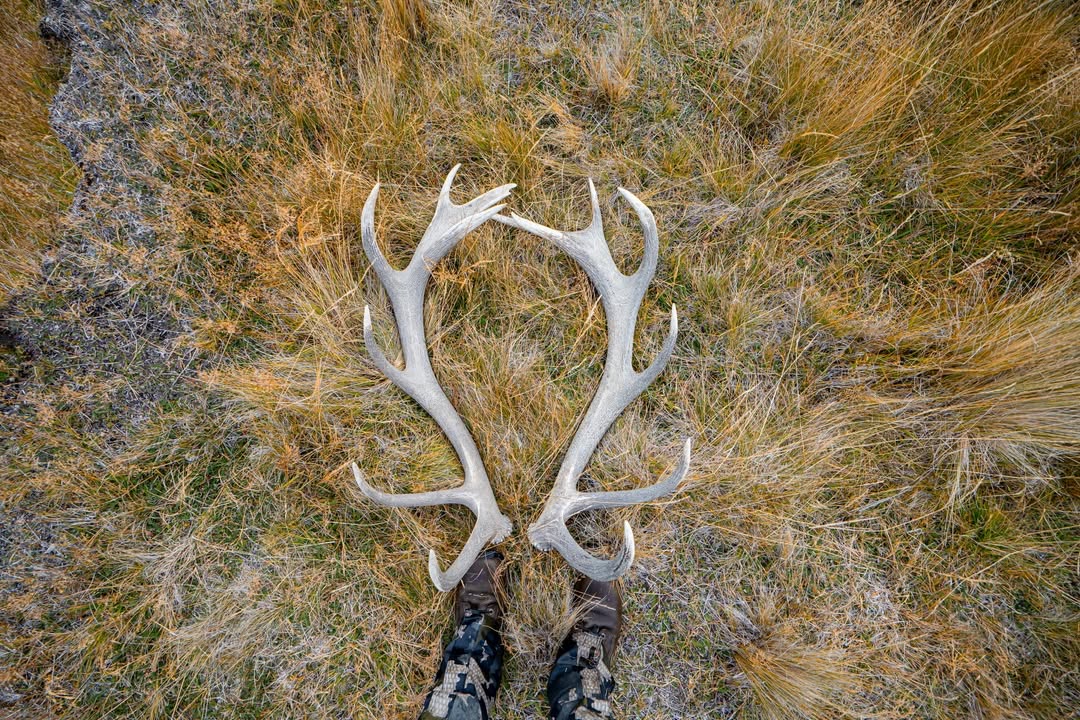
Early summer in the United States presents a unique set of challenges and opportunities for hunters. The rising temperatures, longer days, and increased vegetation growth can make tracking game more difficult—but with careful scouting, you can locate fresh trails and bedding areas before the heat drives animals into shaded retreats. Whether you’re hunting deer, turkeys, or small game, early summer scouting is essential for setting yourself up for success later in the season.
1. Understanding Animal Behavior in Early Summer
During early summer, many species shift their routines:
- White-tailed deer tend to move during cooler parts of the day, like dawn and dusk, and often bed in shaded areas during midday.
- Wild turkeys are more likely to roam in search of insects, seeds, and berries, increasing their activity around water sources.
- Predators such as coyotes and bobcats take advantage of rising prey movements, often along edges and trails.
Understanding these patterns allows hunters to identify where fresh game trails are likely to appear.
2. Choosing the Right Time for Scouting
Scouting early in the morning or late in the evening is crucial during early summer:
- Dawn: Trails are more visible due to dew patterns on leaves and grass. Fresh tracks are easier to identify before the sun dries them out.
- Dusk: Animals often emerge from bedding areas to feed or water, leaving fresh sign in easily observable locations.
- Avoid Midday: High temperatures push game into shaded cover, making trail observation less productive and potentially disturbing bedding areas.
Tip: Carry a pair of lightweight binoculars and a small notebook to record fresh trails, scat, and feeding signs.
3. Identifying Fresh Trails and Sign
Spotting fresh trails is about reading the subtle signs that animals leave behind:
- Tracks: Look for soft soil or mud near water sources, trails, or recently disturbed leaf litter. Fresh tracks are sharper and less weathered.
- Scat: Fresh droppings often indicate recent movement along a trail and can help identify species.
- Nibbled Plants: Deer and turkeys leave telltale signs of feeding. Freshly chewed leaves, stripped bark, or clipped vegetation point to active areas.
- Trail Patterns: Early summer trails may not be heavily used yet, so focus on natural funnels like creek crossings, ridges, and edge habitats.
Tip: Use biodegradable flagging tape to mark fresh trails without leaving permanent signs that could alert other hunters or predators.
4. Using Water Sources as Trail Indicators
Water is a major factor in early summer game movement:
- Creeks and Ponds: Animals often travel along the edges, leaving tracks in mud or soft soil.
- Natural Springs: These spots attract multiple species and can serve as reliable scouting points.
- Water Crossings: Deer frequently create “game paths” to reach water, and tracking these can reveal bedding areas and feeding routes.
Tip: Scout water sources for signs of recent activity in the early morning when dew highlights tracks and disturbed vegetation.
5. Mapping and Recording Fresh Trails
A critical part of early summer scouting is documenting your findings:
- GPS Mapping: Use a handheld GPS or smartphone app to mark fresh trails, feeding spots, and bedding areas.
- Trail Cameras: Set up cameras along identified paths to monitor activity without disturbing the animals.
- Observation Notes: Record the time, weather conditions, and type of sign for each trail. This helps predict animal movement patterns as summer progresses.
Tip: Rotate camera locations weekly to capture new trails and avoid habituating animals to a single spot.
6. Leveraging Terrain and Cover
Understanding the landscape improves scouting efficiency:
- Ridges and Elevation Changes: Game often uses ridges for travel, providing clear lines for trail observation.
- Edge Habitats: Fields, meadows, and forest edges are prime locations for fresh trails.
- Dense Cover: Pay attention to thick brush or fallen timber; animals may move along the edges where cover meets open ground.
Tip: Avoid walking directly on fresh trails to prevent spooking animals—approach from the sides and observe quietly.
7. Early Summer Scouting Gear Essentials
Scouting in the heat requires lightweight and efficient gear:
- Binoculars: Essential for spotting tracks and bedding areas from a distance.
- Camera or Smartphone: Document signs and trails for later analysis.
- Field Notebook: Keep detailed notes of animal activity.
- Hydration Gear: Early summer heat can be intense; carry water to avoid fatigue.
- Lightweight Clothing: Neutral-colored clothing helps avoid detection while remaining cool.
Conclusion
Early summer is a critical time for hunters to locate fresh game trails before the heat of the season forces animals into hidden cover. By understanding animal behavior, observing water sources, identifying fresh sign, and mapping trails carefully, hunters can gain a strategic advantage. Scouting during this period not only improves your chances of a successful hunt later but also enhances your knowledge of local wildlife patterns, creating a more informed and sustainable hunting practice.
Start early, stay observant, and respect the terrain—your summer hunting success begins with smart scouting today.
