
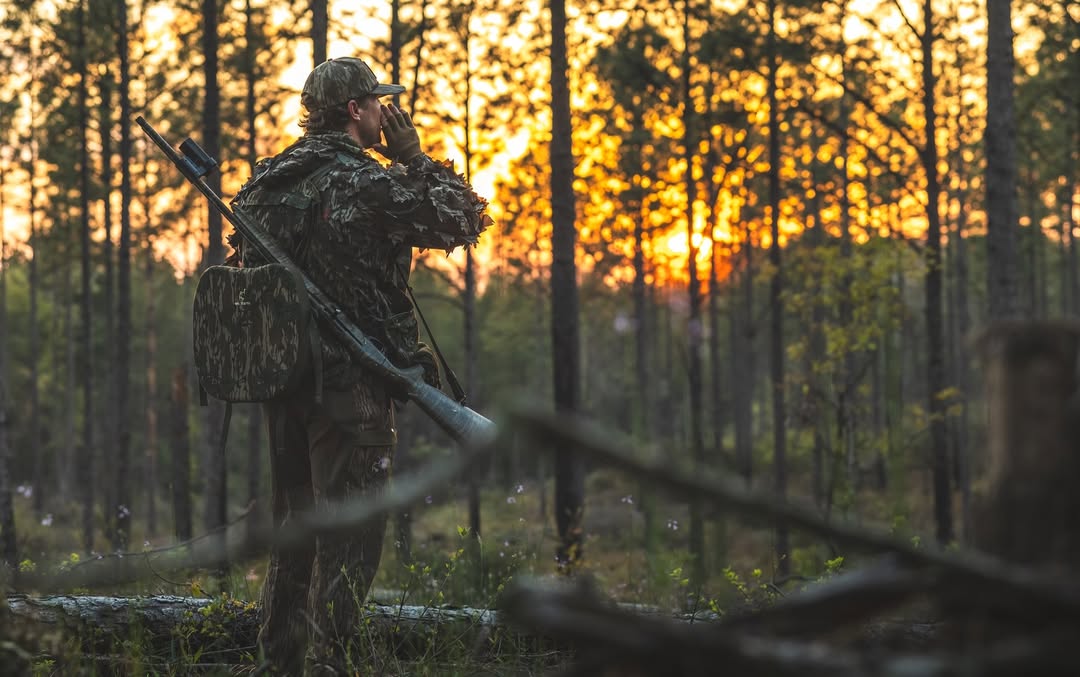
Early spring is one of the most critical times for planning a successful hunting season. As hunters gear up for the first outings, it’s not just about picking the right stand—it’s about choosing the right location before human traffic disrupts the patterns of deer and turkeys. Learning to read early spring sign can give you a strategic edge, helping you avoid crowded hunting areas and maximize your opportunities.
Why Early Spring Matters for Hunting
In many regions of the U.S., early spring represents a transitional period: temperatures are warming, daylight is increasing, and wildlife begins to emerge from winter patterns. Animals are on the move, but their behavior is still predictable if you know where to look.
This is the window where hunters can identify bedding areas, travel corridors, and feeding zones before the majority of hunters arrive. Understanding and acting on early spring sign is the difference between standing in a pressured area and finding a hidden hotspot.
Key Early Spring Signs to Watch
1. Fresh Tracks and Trails
Fresh tracks in soft soil, mud, or snow reveal active travel routes. Pay attention to the direction and frequency of tracks—these can indicate which trails deer or turkeys are using most consistently.
- Tip: Trails leading to water sources or early spring browse are often less pressured in the morning.
2. Rubs and Scrapes
For deer, early spring rubs and scrapes indicate territorial activity and active bucks. These signs often appear on peripheral areas, away from heavily hunted zones, giving you insight into more secluded stands.
- Look for smaller, overlooked areas with fresh rubs. These are likely to be avoided by crowds.
3. Bedding Site Disturbances
Bedding areas can be identified by flattened vegetation, droppings, or paths leading into thicker cover. Early spring bedding sites are particularly important because deer are still in post-winter recovery mode and sensitive to human presence.
- Strategy: Scout for these areas early, and position yourself downwind and at a distance to avoid spooking wildlife.
4. Feeding Sign
As early plants emerge, browse and early green shoots attract wildlife. Fresh nibbles, stripped bark, or flattened grass indicate recent feeding activity.
- Areas with abundant early growth that are off the main trails are often less pressured.
How to Use Sign to Avoid Crowded Areas
- Scout Before the Season Opens – Use early spring weekends to explore less obvious areas. Avoid obvious waterholes or popular ridges that attract many hunters.
- Map Your Observations – Mark fresh tracks, scrapes, and bedding zones on a map or GPS app. This will help you plan stands away from likely traffic corridors.
- Adjust Timing – Hunt during periods when others are less active, such as mid-morning or mid-afternoon, to capitalize on secluded areas.
- Look Beyond the Obvious – Early spring wildlife is often concentrated in smaller, overlooked spots, not the main valleys or public hotspots.
Benefits of Early Spring Scouting
- Higher success rate: Unpressured deer and turkeys are more predictable and less wary.
- Safer hunting: Less crowded areas reduce the risk of accidents.
- Better long-term strategy: Observing early signs helps you pattern wildlife for the entire season.
Final Thoughts
Using early spring sign to avoid crowded hunting areas is a strategy rooted in observation, patience, and timing. By understanding the subtle clues left by wildlife before leaves fill in and more hunters arrive, you can consistently find areas where animals are active but human presence is minimal.
Start scouting now, map your findings, and make the early season work for you—because the spots you identify today can lead to your best hunts all year long.
