
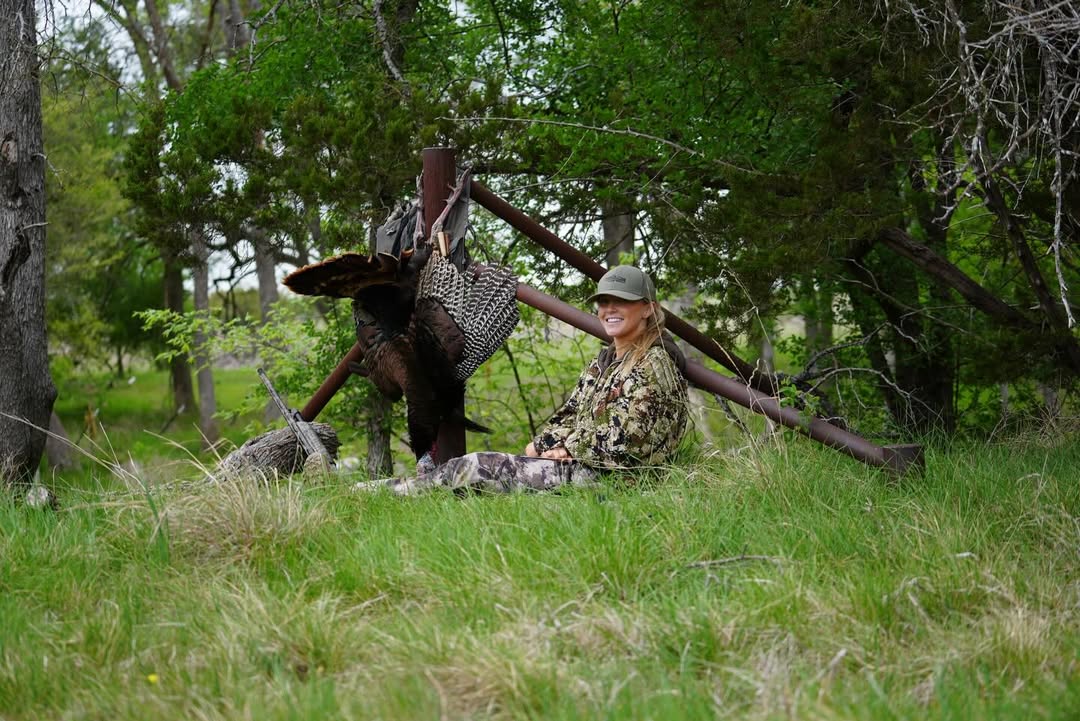
Early spring marks one of the most critical windows for turkey hunters who want to gain an edge on the fall season. Before the trees leaf out, visibility is high, and gobbler movements are easier to track. Understanding roosting behavior during this pre-green-up period can dramatically improve your chances of success later in the year.
Why Early Spring Matters for Roosting Patterns
During early spring, turkeys are transitioning from their winter routines. Food sources are scarce, and temperatures can still drop at night, influencing where gobblers choose to roost. Unlike later in the season, before the canopy fills in, hunters have a rare opportunity to observe movement corridors, identify roost trees, and map their travel routes without being obstructed by foliage.
Key factors influencing early spring roosting:
- Tree Species and Structure: Turkeys prefer tall, sturdy trees with wide branches for roosting. Oaks, maples, and pines often serve as prime roosting sites during this time.
- Proximity to Water: Even in early spring, turkeys prioritize roosts near water sources for hydration and feeding access.
- Food Availability: Gobblers may choose roosts that minimize travel to early spring food sources, such as sprouting grasses, buds, or leftover mast from fall.
- Safety from Predators: Elevated trees with clear escape routes reduce the risk from coyotes, bobcats, and raptors.
Observing Gobbler Behavior Without Disturbing Them
Tracking gobblers before leaves arrive requires stealth and patience. Here are strategies to gather intelligence without spooking birds:
- Scout from a Distance: Use binoculars or spotting scopes in low-traffic areas during early morning or late afternoon to observe roost exits.
- Look for Droppings and Tracks: Early spring mud and light soil conditions make it easier to spot turkey tracks leading to feeding areas.
- Listen for Gobble Patterns: Even before mating season fully ramps up, turkeys often gobble sporadically from roosts. Identifying these vocal patterns helps pinpoint locations.
- Use Trail Cameras Strategically: Place cameras along likely flight paths or feeding zones near suspected roost trees. Early spring visibility improves camera effectiveness.
Mapping and Predicting Fall Roost Sites
One of the biggest advantages of pre-green-up scouting is the ability to create accurate maps of roosting patterns that carry into fall. By noting consistent roosting sites, travel corridors, and feeding areas:
- You can plan your hunting blinds or stands with greater precision.
- You can anticipate early morning flights and late evening returns.
- You gain insight into how terrain and natural features guide gobbler behavior.
Remember, these patterns may shift slightly as spring progresses and leaves emerge, but early observations give hunters a predictive edge, reducing guesswork later in the season.
Tools to Maximize Early Spring Scouting
To make the most of pre-green-up scouting:
- Topographic Maps: Identify ridge lines, creek bottoms, and open areas where gobblers may fly to and from roosts.
- Binoculars & Rangefinders: Essential for observing birds from a distance without disturbance.
- Trail Cameras: Set up early to capture movement patterns before foliage obstructs visibility.
- Notebook or GPS App: Keep detailed records of roost locations, distances to feeding areas, and travel corridors.
Final Thoughts
Pre-leaf-out scouting offers an unparalleled advantage for turkey hunters. By understanding where gobblers roost and how they move before the landscape changes, you set yourself up for a successful fall season. Investing the time now to study roosting patterns pays dividends later, allowing you to anticipate movement, select prime stand locations, and approach hunts with confidence.
The key takeaway: visibility is your ally, and early spring is your window to predict gobbler behavior that most hunters overlook.
