
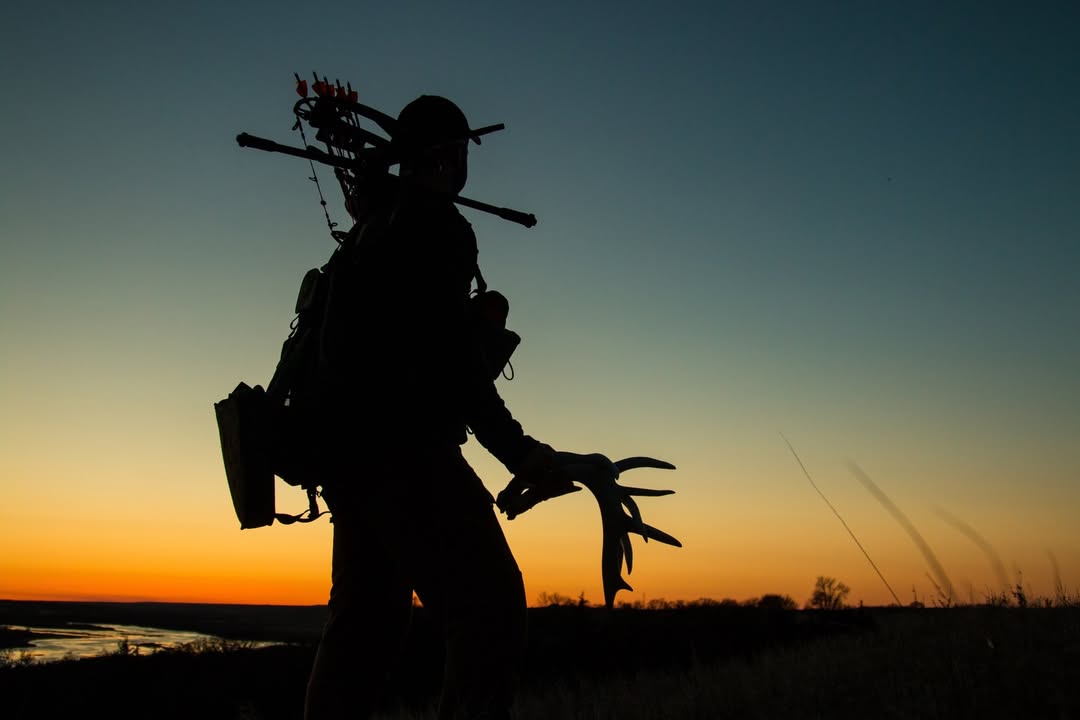
Spring is one of the most valuable times for deer scouting, yet many hunters underestimate its importance. One reason early spring scouting is so effective is that deer travel routes are far easier to spot before green-up. Before trees leaf out and grasses grow tall, trails, bedding areas, and feeding paths are exposed, giving hunters a unique opportunity to map deer activity for the upcoming fall season.
1. The Advantage of Bare Ground
Before green-up, the forest floor and fields are largely exposed. This has several benefits for hunters:
- Visible Trails: Trails connecting bedding areas to food sources are easier to identify because there’s minimal ground cover. You can see exactly where deer repeatedly travel.
- Fresh Sign Detection: Tracks, droppings, and rubs are easier to spot on bare soil or leaf litter. Early spring provides a clean canvas that highlights fresh deer activity.
- Trail Width and Usage: Without thick vegetation, it’s easier to determine which trails are heavily used versus occasional routes.
By observing trails now, hunters gain insight into where deer prefer to move before thick vegetation conceals these routes.
2. Bedding Areas Are Clearer in Early Spring
Deer often return to the same bedding areas each year. Before green-up, these spots are much easier to locate:
- Flattened Grass and Leaves: Bedding areas from last season remain visible, and new depressions created by deer this spring are easy to distinguish.
- Strategic Locations: Bedding areas tend to be on ridges, near cover edges, or along trails. Early spring makes these locations stand out.
- Patterns Reveal Movement: Multiple trails converging on a bedding site show how deer access feeding areas and water sources.
Identifying these bedding areas early gives hunters a head start in planning stand locations for fall hunts.
3. Water Sources Concentrate Deer Activity
Water sources are always hotspots for deer, especially after winter. Before spring vegetation fills in:
- Creeks, ponds, and small springs are easy to monitor.
- Tracks leading to and from water are more visible, showing exact entry and exit points.
- Hunters can mark these routes for later use in fall or summer scouting.
This early intel is invaluable because water-related travel patterns remain consistent even after vegetation thickens.
4. Understanding Deer Behavior in Early Spring
Early spring deer behavior is driven by food availability and recovery from winter:
- Feeding Routes: Deer follow predictable paths between bedding areas and early spring forage such as new shoots, clover patches, and remaining mast.
- Minimal Pressure: Many areas are less frequented by humans in early spring, giving you an accurate view of natural deer patterns.
- Trail Selection: Deer tend to select the path of least resistance, often following ridges, natural funnels, and cover lines that remain obvious before green-up.
Observing these patterns now allows hunters to predict fall movements with higher accuracy.
5. Mapping Routes for Fall Success
Once you’ve identified deer travel routes before green-up, you can:
- Map primary and secondary trails connecting bedding, feeding, and water areas.
- Note rubs, scrapes, and rub trees along these routes as potential ambush points.
- Plan stand or blind locations to intersect travel corridors during the fall rut.
Early mapping gives you an advantage over hunters who wait until vegetation is dense, making trails harder to detect.
6. Low-Impact Scouting Tips
To protect deer behavior while scouting in early spring:
- Use binoculars and spotting scopes to observe from a distance.
- Stick to edges of trails rather than walking directly through bedding or feeding areas.
- Record observations with GPS or a notebook for reference during fall hunting.
By keeping your presence low-impact, you ensure deer continue to use these routes naturally.
Key Takeaways
- Deer travel routes are easiest to see before green-up, when ground cover is minimal.
- Early spring provides clear visibility of trails, bedding areas, and water access points.
- Observing deer now allows hunters to predict fall movement patterns and plan more successful hunts.
- Low-impact scouting ensures natural behavior is preserved for later seasons.
Scouting before green-up isn’t just about gathering information—it’s about gaining a strategic advantage. Hunters who take the time to identify and map travel routes now are setting themselves up for more predictable encounters and higher success when fall hunting arrives.
If you want, I can also create a short-form, SEO-optimized version with headings, meta description, and keyword placements so it’s ready for publishing on your hunting blog or website.
Do you want me to make that version next?
