
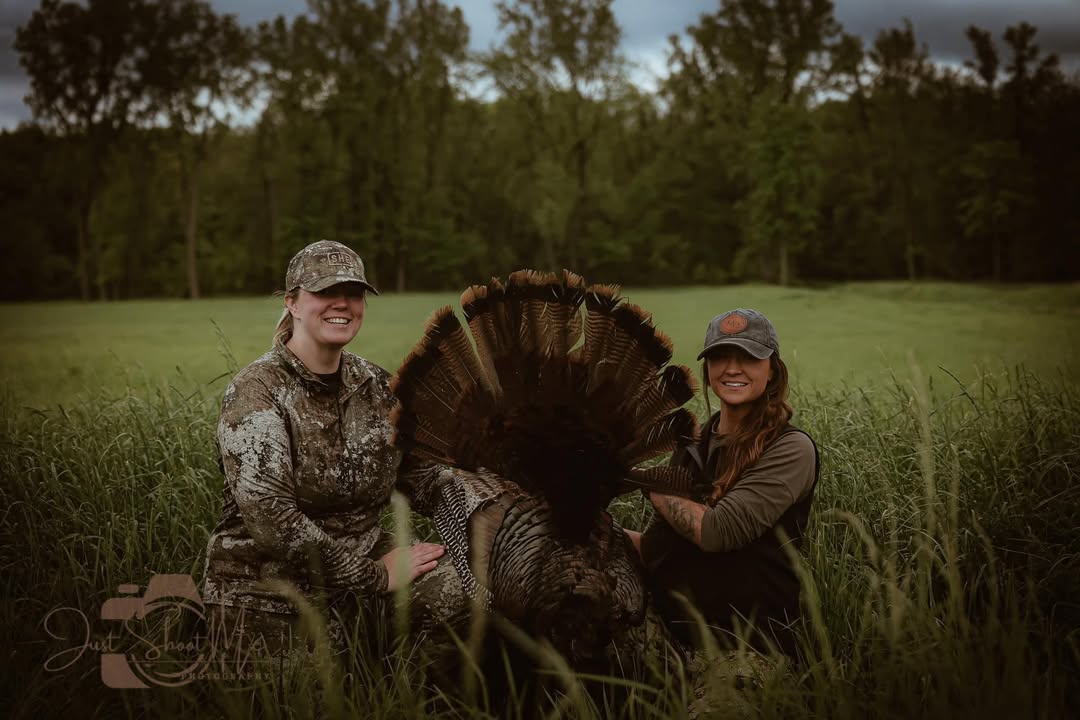
The first week of turkey season is electric.
Gobblers are vocal. They respond aggressively. Birds are still operating on relatively natural patterns, and many hunters tag out early because of it.
But once that first week passes, something changes.
Suddenly:
- Gobbling decreases
- Responses become inconsistent
- Birds hang up or go silent
- Setups that worked opening week stop producing
This isn’t random—it’s a predictable behavioral shift.
Understanding how gobblers change after the first week of the season is the key to staying successful while most hunters start struggling.
What Causes the Shift After Week One
Two major factors drive this change:
1. Increased Hunting Pressure
Even light pressure has a big impact on turkeys:
- Calling from multiple hunters
- Frequent movement in the woods
- Birds being bumped off roosts or travel routes
Gobblers quickly learn:
Not every “hen” they hear is safe.
2. Breeding Phase Progression
As the season progresses:
- Many hens are bred
- Some begin nesting
- Flock dynamics start to change
This alters how gobblers behave:
- Less competition-driven movement
- More focused, selective responses
- Increased independence later in the cycle
The Most Noticeable Behavior Changes
1. Gobblers Become Less Vocal
During opening week, gobblers often:
- Sound off at daylight
- Respond quickly to calls
- Continue gobbling throughout the morning
After the first week:
- Gobbling becomes limited to early morning
- Midday gobbling drops off significantly
- Some birds go completely silent
Silence doesn’t mean absence—it means caution.
2. They Stop Committing to Calls
Early season:
- Gobblers may run to calling
- They close distance aggressively
After pressure:
- Birds hang up out of range
- They expect hens to come to them
- They circle downwind instead of approaching directly
They’re still interested—they’re just not reckless anymore.
3. Movement Becomes More Cover-Oriented
Instead of crossing open areas:
- Gobblers stay closer to timber
- They use terrain to stay hidden
- Travel routes become tighter and less obvious
This makes them:
- Harder to see
- Easier to miss if you’re set up in the wrong place
4. Daily Patterns Shift
Opening week movement is often broad and unpredictable.
After that:
- Birds establish more defined daily routines
- Movement aligns with safe zones and known hens
- Travel becomes more repeatable—but less visible
5. Midday Becomes More Important
Here’s what many hunters miss:
Midday often improves after the first week.
Why?
- Hens leave gobblers to nest
- Gobblers begin searching again
- Pressure in the woods decreases
This creates a window where:
- Birds are alone
- More willing to respond
- Easier to pull into range
How to Adjust Your Strategy
1. Call Less—and Call Smarter
Aggressive calling worked early—but now it can hurt you.
Switch to:
- Soft yelps
- Clucks and purrs
- Longer pauses between calling
Let curiosity work in your favor.
2. Set Up Closer to Where Birds Want to Be
Instead of trying to pull birds long distances:
- Get closer to roost areas (without disturbing them)
- Hunt travel routes instead of open zones
- Focus on areas with consistent sign
3. Use Terrain to Your Advantage
Position yourself where gobblers feel comfortable:
- Inside timber edges
- Along ridges or slight elevation changes
- Near natural travel corridors
This increases the chance they’ll commit.
4. Stay Longer
Many hunters leave too early.
After the first week:
- Late morning to early afternoon becomes critical
- Birds that were silent early may respond later
Patience becomes a major advantage.
5. Minimize Pressure
This is huge.
- Avoid over-hunting the same spots
- Limit unnecessary movement
- Keep setups clean and quiet
The less pressure you create:
The more natural—and predictable—birds remain.
Common Mistakes After the First Week
- Overcalling to unresponsive birds
- Sitting too far from core movement areas
- Leaving after the early morning lull
- Hunting the same setup repeatedly
- Ignoring subtle sign and movement
Why This Phase Is Actually an Opportunity
Most hunters struggle after opening week because:
- They rely on early-season tactics
- They expect the same level of response
- They don’t adapt
But if you adjust:
- You face less competition
- Birds are more patternable
- Midday hunting improves
This is where experienced hunters separate themselves.
The Mindset Shift That Matters
Instead of thinking:
“The birds just shut down.”
Think:
“The birds got smarter—now I need to hunt smarter.”
That shift changes everything.
Final Thoughts
Gobblers don’t disappear after the first week of season—they evolve.
They become:
- Quieter
- More cautious
- More predictable in subtle ways
If you:
- Reduce pressure
- Adjust your calling
- Focus on positioning
- Hunt later into the day
You’ll continue finding success long after the easy hunts are gone.
Because in turkey hunting, the season doesn’t get worse—
It just rewards hunters who know how to adapt.
