
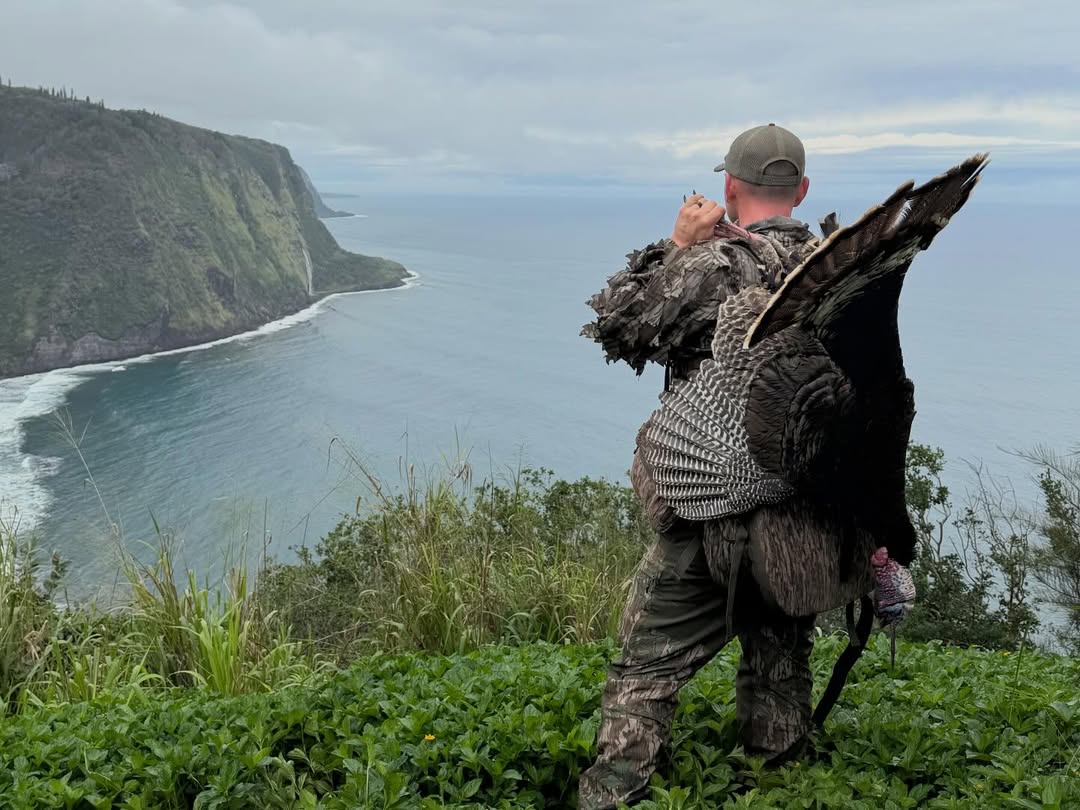
Spring may be behind us, but for serious turkey hunters, summer scouting is just as important as early-season preparations. Understanding turkey movement in the months between spring and fall isn’t about bagging birds now—it’s about positioning yourself for success in the upcoming season. Observing their patterns now can save you countless hours, keep your favorite areas productive, and help you avoid human pressure that can ruin early-season hunting.
The Summer-Into-Fall Connection
After spring breeding, turkeys enter a period of growth, flocking, and relocation. During this time, birds:
- Recover from nesting
- Establish new flock hierarchies
- Seek consistent food sources and water
- Begin pre-winter movements
For hunters, this period is a critical scouting window. Observing now lets you identify core areas and travel routes before pressure increases, rather than reacting to deer and turkey behavior in the heat of the hunting season.
Why Observing Now Reduces Pressure Later
1. Identify Core Bedding and Roosting Areas
Even in summer:
- Turkeys have preferred roosting trees and daytime bedding spots
- Observing their patterns helps map high-use areas
- Knowing these locations allows you to set up stands off the beaten path in fall
Early scouting keeps your future hunting spots untouched and undisturbed.
2. Track Feeding Patterns
Turkeys are opportunistic feeders:
- They target insects, seeds, berries, and young crops
- Food sources shift throughout summer
- Watching their feeding patterns now reveals transition zones they’re likely to use in early fall
By understanding which fields or edges they prefer, you can hunt smarter without intruding into pressured areas.
3. Discover Travel Corridors
Turkeys rarely move randomly:
- They use consistent routes from roost to feeding areas
- Observing these corridors now highlights funnels and choke points
- Early knowledge allows for low-impact stand placement later
The more you know about their habitual routes, the less you have to disrupt them during season.
4. Avoid Heavily Pressured Areas
Many hunters think scouting in summer means walking all their favorite spots. This is a big mistake:
- Turkeys are highly sensitive to disturbance
- Heavy human presence now can shift flocks to new, hard-to-access locations
- Careful observation—using optics or trail cameras from a distance—prevents spooking them
This strategy keeps your prime fall spots productive and reduces competition from other hunters.
Tools and Techniques for Low-Impact Observation
Binoculars and Spotting Scopes
- Observe from ridge tops or distant edges
- Avoid entering the birds’ core areas
Trail Cameras
- Place cameras along travel corridors rather than directly in feeding areas
- Focus on time stamps and movement trends, not just numbers
GPS and Mapping
- Track observations over weeks
- Identify patterns and predict fall behavior without repeated disturbance
Timing Matters
Even though summer is slow compared to spring, the habits turkeys establish now dictate their early-fall patterns:
- Roosting spots rarely change dramatically
- Travel corridors solidify over weeks
- Food preferences begin shaping seasonal movements
By taking notes and mapping these areas now, you set yourself up to hunt smarter, not harder when the season opens.
Mistakes to Avoid
- Overwalking your property – Spooks turkeys and ruins patterns.
- Relying on outdated intel – Summer movements differ from spring.
- Ignoring environmental changes – Water sources, crops, and cover shift quickly.
- Failing to track movement trends – Observing sporadically provides little actionable data.
Putting It All Together
Observing turkey movement now isn’t about immediate harvest. It’s about strategic positioning for fall success. The hunters who succeed are those who:
- Respect turkeys’ sensitive nature
- Avoid spooking key areas
- Identify travel corridors and feeding zones early
- Adjust their hunting plans based on current behavior
In short, summer observation is the ultimate pre-season advantage—giving you a head start over hunters who wait until the season opens.
By applying these principles, you’ll enter the early-season with productive stands, low pressure, and confidence in where and when turkeys will move, maximizing your chances for a successful hunt.
