
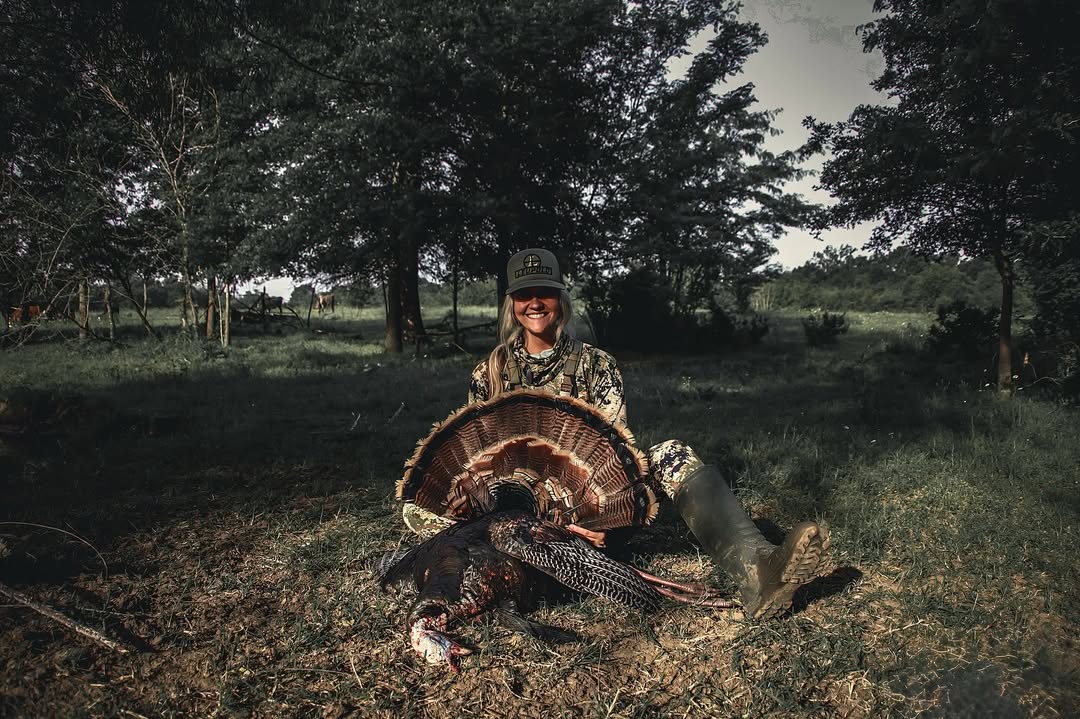
By the time turkey season winds down, the woods feel different.
Gobblers aren’t firing off at daylight like they were in the early weeks. Hens are nesting. Pressure has built. Birds have been called to, chased, and educated. For many hunters, late season becomes frustrating—and often unproductive.
But for those willing to adapt, late season turkey hunting offers something far more valuable than a punched tag:
It teaches lessons that directly translate into better success during fall hunting seasons.
Whether you’re chasing whitetails, elk, or even returning to fall turkey hunting, the skills developed during late season hunts can elevate your approach across the board.
Lesson 1: Patience Outperforms Aggression
Early in the season, aggressive calling and quick setups can work. Birds are responsive, competition is high, and gobblers are eager.
Late season is the opposite.
- Birds are cautious
- Responses are limited
- Movement is slower and less predictable
Success often comes from:
- Sitting longer
- Waiting out silent birds
- Letting the situation develop
How This Applies to Fall Hunting
In the fall—especially when hunting pressured whitetails—patience is everything.
- Mature bucks rarely make mistakes quickly
- Overmoving or forcing action can ruin setups
- Long, quiet sits often produce the best encounters
Late season turkey hunting trains you to slow down and trust the process.
Lesson 2: Reading Sign Matters More Than Hearing Gobbles
When gobbling activity drops off, many hunters struggle because they rely too heavily on vocal responses.
Late season forces you to focus on:
- Tracks
- Droppings
- Scratching areas
- Travel routes
Instead of hunting sound, you start hunting sign and movement patterns.
How This Applies to Fall Hunting
This skill is critical for deer hunting.
- Bucks rarely advertise their location
- Sign tells the real story
- Understanding movement without visual confirmation is key
Late season turkey hunting sharpens your ability to interpret subtle clues—a skill that directly impacts fall success.
Lesson 3: Subtlety Beats Volume
Loud, frequent calling might work early—but late season birds have heard it all.
Successful hunters adjust by:
- Calling less
- Using softer tones
- Letting silence do the work
Often, less input creates more curiosity.
How This Applies to Fall Hunting
In deer hunting, subtlety is everything.
- Minimal movement in the stand
- Controlled scent
- Quiet entry and exit
Overdoing anything—noise, scent, or pressure—reduces your chances.
Late season turkey hunting reinforces the idea that less is often more.
Lesson 4: Setup Location Becomes Critical
When birds are responsive, you can sometimes get away with less-than-perfect setups.
Late season doesn’t allow that.
You need to:
- Be in the right place before the bird arrives
- Use terrain and cover effectively
- Anticipate movement instead of reacting to it
How This Applies to Fall Hunting
For whitetail hunters, this is huge.
- Stand placement determines opportunity
- Being off by even a small distance can mean no shot
- Understanding travel routes is essential
Late season turkey hunts teach you to prioritize positioning over reaction.
Lesson 5: Pressure Changes Animal Behavior
By late season, turkeys have experienced weeks of hunting pressure.
They become:
- More cautious
- Less vocal
- More reliant on cover
- Less predictable
Hunters who succeed learn to adapt to these changes.
How This Applies to Fall Hunting
Pressure affects all game animals—especially deer.
- Increased human activity changes movement patterns
- Daylight movement decreases
- Animals shift to safer areas
Recognizing and adapting to pressure is a key factor in consistent success.
Lesson 6: Midday Movement Is Often Underrated
Many hunters focus on mornings, especially early in turkey season.
Late season reveals something different:
- Birds often move more during midday
- Feeding and regrouping happens outside peak hours
- Less pressure can lead to better opportunities
How This Applies to Fall Hunting
In deer season, midday is often overlooked.
But:
- Mature bucks may move when pressure is lowest
- Transition periods can create unexpected opportunities
- Staying longer increases your odds
Late season turkey hunting encourages you to hunt smarter hours—not just traditional ones.
Lesson 7: Adaptability Wins More Hunts
No two late season days are the same.
Conditions change quickly:
- Weather
- Bird behavior
- Hunting pressure
Successful hunters:
- Adjust their approach daily
- Stay flexible
- Learn from each encounter
How This Applies to Fall Hunting
Rigid plans rarely succeed in the fall.
- Deer patterns shift
- Conditions change
- Unexpected variables arise
Adaptability is what separates consistent hunters from occasional success.
Lesson 8: Mental Toughness Makes the Difference
Late season hunting can be mentally challenging.
- Fewer responses
- Longer waits
- More failed setups
But those who stay focused and committed often find success.
How This Applies to Fall Hunting
Fall hunting—especially for mature animals—requires:
- Discipline
- Confidence
- Persistence
The ability to stay locked in, even when things aren’t happening, is one of the most valuable traits a hunter can develop.
Why Late Season Hunters Often Succeed More in Fall
Hunters who embrace late season challenges gain:
- Better observational skills
- Stronger patience
- Improved decision-making
- Greater confidence in tough conditions
They’re not relying on easy conditions—they’re building skills that work anywhere.
Final Thoughts
Late season turkey hunting isn’t always about easy success—but it is about valuable experience.
It forces you to think differently, move less, observe more, and adapt constantly.
And those lessons don’t stay in the spring woods—they carry directly into the fall.
Because when conditions get tough—and they always do—the hunters who succeed aren’t the ones who rely on perfect scenarios.
They’re the ones who learned how to win when things were hardest.
