
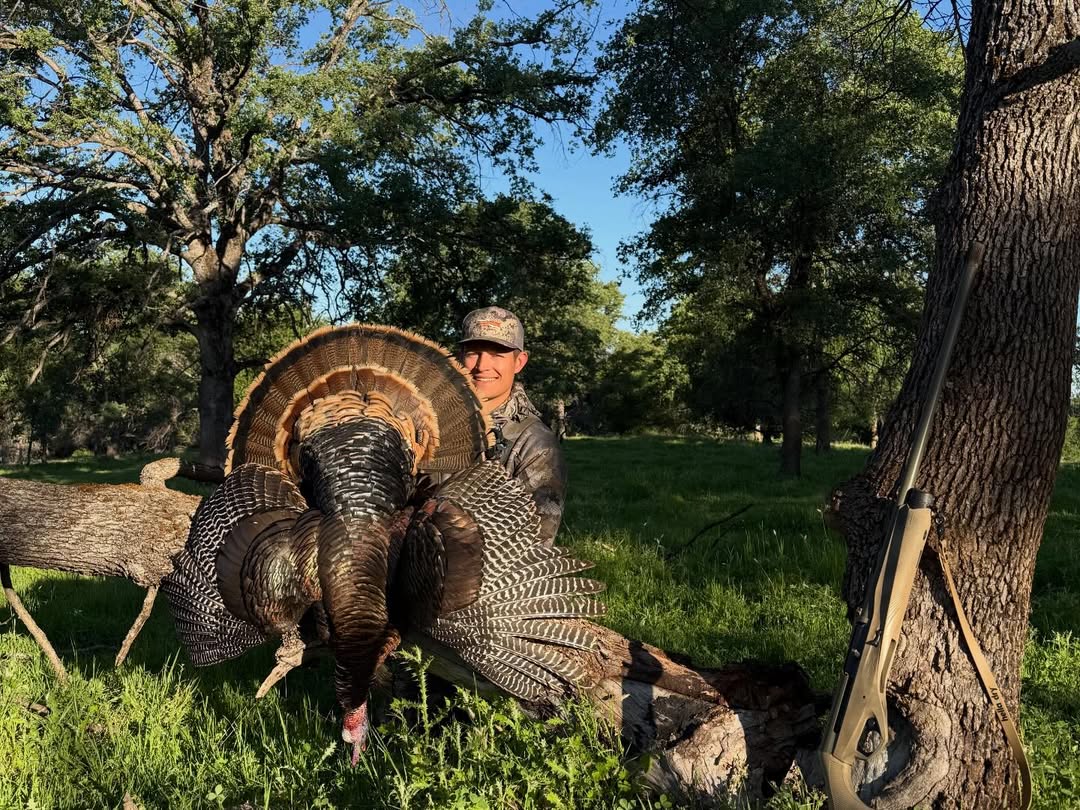
Late-season turkey hunting is a different game.
By the time the season winds down, gobblers have been hunted for weeks. They’ve heard every call, seen every decoy spread, and felt hunting pressure from multiple directions. What worked early in the season often fails now—and many hunters don’t realize why.
The truth is, it’s not your calling that’s costing you birds—it’s your setup.
There’s one mistake that consistently spooks more late-season turkeys than anything else, and fixing it can immediately improve your success in the field.
The Biggest Mistake: Setting Up Too Close
It sounds counterintuitive, but one of the most common—and costly—errors is setting up too close to the gobbler.
Early in the season, aggressive setups can work. Birds are more responsive, more vocal, and more willing to close distance. But in late spring, pressured gobblers behave very differently.
When you get too close:
- You risk being seen during setup
- You force the bird into a high-alert zone
- You leave no room for the gobbler to commit naturally
Instead of walking in confidently, the bird hangs up, circles, or disappears entirely.
Why Late Season Gobblers Hang Up
If you’ve ever had a gobbler answer your calls but refuse to come into range, you’ve likely experienced a hang-up.
This behavior is especially common late in the season, and it’s often caused by poor setup positioning.
Here’s what’s happening:
1. Gobblers Expect the Hen to Come to Them
By late season, gobblers have interacted with real hens—and hens usually come to the tom, not the other way around.
If your setup forces the gobbler to cover too much exposed ground, he may stop and wait instead.
2. Increased Caution From Hunting Pressure
Pressured birds become highly aware of their surroundings.
They’ll often:
- Approach slowly
- Use terrain for cover
- Stop at the edge of openings
If your position doesn’t allow them to approach comfortably, they’ll simply walk away.
3. Visual Confirmation Matters More
Late-season gobblers rely heavily on sight.
If they don’t see what they expect—movement, a hen, or a safe approach—they become suspicious quickly.
A tight setup often limits their ability to confirm what they’re hearing.
The Right Way to Set Up in Late Season
Adjusting your setup strategy is the key to turning close calls into successful hunts.
1. Set Up Farther Than You Think
Instead of pushing in tight, back off and give the bird space.
- Set up 100–150 yards from where you last heard the gobbler
- Let the bird come looking for you
- Avoid entering his comfort zone too early
This creates a more natural scenario where the gobbler feels in control.
2. Use Terrain to Your Advantage
Good setups aren’t just about distance—they’re about positioning.
Look for:
- Ridges or slight elevation changes
- Field edges with cover
- Natural barriers that guide movement
These features help funnel the bird into range without forcing him into exposed areas.
3. Create a “Kill Zone” in Advance
Before calling, identify where you want the bird to end up.
Ask yourself:
- Where will he likely appear?
- Where can I take a clean shot?
- What path will he take based on terrain?
A well-planned setup makes the shot opportunity happen naturally.
4. Stay Hidden and Motionless
Late-season gobblers are extremely sharp-eyed.
Even small movements can:
- Alert the bird
- Cause him to hang up
- End the encounter instantly
Use natural cover like trees, brush, or terrain shadows to break up your outline.
Calling Less, Setting Up Better
Many hunters try to fix late-season struggles by calling more.
But in reality:
Better setups beat better calling every time in late season.
Overcalling can actually make things worse, especially if your setup isn’t right.
Instead:
- Call sparingly
- Let the gobbler search for you
- Use subtle sounds to maintain interest
When your setup is correct, you don’t need to convince the bird—you just need to guide him.
Common Setup Mistakes to Avoid
Even small errors can cost you a bird late in the season.
Setting Up in Open Areas
Too much exposure makes gobblers nervous and hesitant.
Facing the Wrong Direction
Always anticipate the bird’s approach path.
Ignoring Sun Position
Having the sun at your back helps conceal movement and makes it harder for the bird to spot you.
Blocking the Approach
If terrain or obstacles prevent easy movement, the gobbler may stop short.
Why This Matters More Than Ever Right Now
Late spring conditions amplify every mistake.
At this stage:
- Vegetation is thicker
- Birds are less vocal
- Hunting pressure is high
This means you have fewer chances—and each setup needs to count.
Hunters who adapt their positioning during this time often succeed when others struggle.
A Smarter Late-Season Mindset
To consistently tag birds late in the season, shift your mindset:
Instead of asking:
“How close can I get?”
Start asking:
“How comfortable will this bird feel coming to me?”
That one change in thinking can completely transform your success rate.
Final Thoughts
The biggest setup mistake in late-season turkey hunting isn’t calling too much or using the wrong decoy—it’s getting too close too soon.
By giving gobblers space, using terrain wisely, and focusing on smart positioning, you create situations where birds can approach naturally and confidently.
In late season, success doesn’t come from forcing the encounter—it comes from setting the stage and letting it happen.
Slow down, back off, and trust your setup.
