
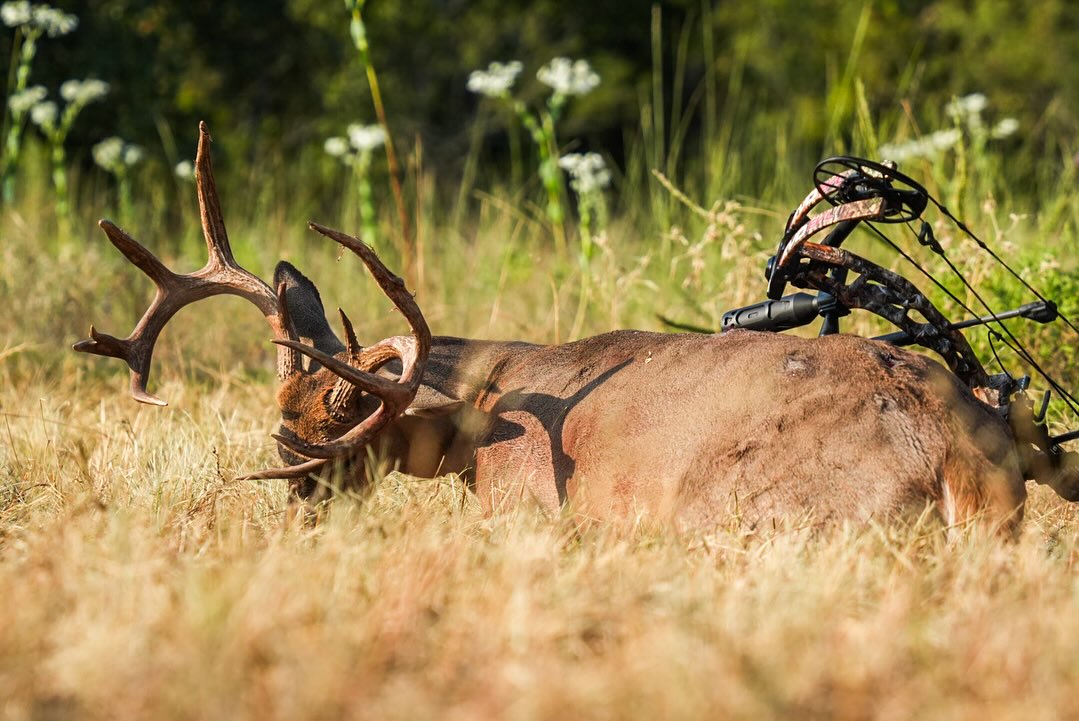
Every deer hunter knows the feeling. Some properties seem to produce mature whitetail bucks year after year, while other areas rarely hold anything older than young deer. Even when hunting pressure and habitat appear similar, certain pieces of land consistently attract and hold larger bucks.
This pattern isn’t random. Mature whitetails are extremely selective about where they live. They choose areas that provide the right balance of security, food, water, and low disturbance. When those elements come together in the right way, a property becomes highly attractive to older bucks.
Understanding why some properties consistently hold bigger bucks can help hunters identify better hunting ground, improve their own land management strategies, and make smarter scouting decisions long before the season begins.
Security Cover Is the Most Important Factor
For mature bucks, security is everything. As whitetails grow older, they become increasingly cautious and selective about where they spend their time. Bucks that survive multiple hunting seasons learn to avoid areas where they feel exposed or pressured.
Properties that consistently hold bigger bucks almost always provide dense security cover where deer can rest during the day without feeling threatened.
Examples of good security cover include:
- Thick bedding areas with brush or young timber
- Overgrown clear-cuts or regenerating forests
- Dense cedar or pine stands
- Swamp edges or wetland thickets
These areas allow bucks to remain hidden while still monitoring their surroundings. When deer feel secure in a location, they are far more likely to remain on that property throughout the year.
Low Human Pressure
Another key reason some properties hold larger bucks is limited human disturbance.
Mature bucks are extremely sensitive to human activity. Frequent noise, scent, or movement can quickly push them into neighboring areas where they feel safer.
Properties that maintain low pressure often share several characteristics:
- Limited hunting access
- Minimal ATV or vehicle traffic
- Few hiking trails or recreational activities
- Careful entry and exit routes during hunting season
Even large properties can struggle to hold mature bucks if they receive too much human activity.
Hunters who carefully manage how and when they access their land often see better results when it comes to holding older deer.
Reliable Food Sources
Food availability also plays a major role in attracting and holding mature bucks.
Deer require consistent nutrition throughout the year, and properties that offer high-quality food sources naturally become more attractive to whitetails.
Common food sources that support mature bucks include:
- Agricultural crops such as corn, soybeans, or alfalfa
- Natural browse like young saplings and shrubs
- Mast-producing trees such as oak or hickory
- Food plots designed specifically for deer
Properties that combine multiple food sources often support larger deer populations and provide better nutrition for antler growth.
However, food alone is rarely enough to hold mature bucks if security cover and low pressure are missing.
Water Availability
Water is another essential element of deer habitat.
While deer can travel to find water if necessary, properties with reliable water sources often hold more consistent deer activity.
Examples of valuable water sources include:
- Small ponds
- Creeks and streams
- Natural springs
- Wetland edges
Water becomes especially important during warm weather and early fall when deer require frequent hydration.
When food, water, and security cover exist within a relatively small area, deer have little reason to leave the property.
Terrain That Supports Natural Deer Movement
Terrain plays a surprisingly important role in how deer move across the landscape.
Certain land features naturally guide deer along predictable travel routes. Properties with these features often see more consistent deer activity.
Common terrain features that benefit hunters include:
- Ridge lines that deer use for travel
- Saddles between hills
- Creek bottoms that provide cover
- Natural funnels where terrain narrows movement
These terrain features allow deer to move efficiently while remaining protected by cover.
When a property contains several natural travel corridors, it becomes easier for mature bucks to move safely between bedding and feeding areas.
Balanced Habitat Diversity
Properties that consistently hold bigger bucks often provide diverse habitat types within a relatively small area.
Whitetails benefit from landscapes that offer a variety of resources, including bedding cover, feeding areas, and travel routes. When these elements exist close together, deer can meet their daily needs without exposing themselves to danger.
A balanced habitat might include:
- Thick bedding cover
- Open feeding areas
- Timbered travel corridors
- Water sources nearby
This diversity allows deer to move short distances between essential resources while staying hidden from predators and hunters.
Age Structure of the Deer Herd
One factor that is sometimes overlooked is the age structure of the local deer population.
In areas where hunting pressure leads to heavy harvest of young bucks, it becomes difficult for deer to reach maturity. On the other hand, properties where hunters practice selective harvest or restraint often develop stronger age structures.
Allowing bucks to reach older age classes dramatically increases the chances of seeing larger antlers.
Properties that consistently produce mature bucks often benefit from:
- Responsible harvest practices
- Cooperation among neighboring landowners
- Local hunting traditions that value older deer
Age structure plays a significant role in determining whether large bucks appear regularly.
Limited Competition From Nearby Pressure
Sometimes the reason a property holds bigger bucks has more to do with what happens around it than what happens on the property itself.
If neighboring land receives heavy hunting pressure, mature bucks may move into quieter areas where they feel safer. A well-managed property surrounded by heavily hunted land can become a refuge for older deer.
This situation often leads to higher sightings of mature bucks during both scouting season and the fall hunting season.
Consistency Over Time
Perhaps the most important factor separating productive properties from less successful ones is long-term consistency.
Land that consistently holds mature bucks is usually managed carefully over many years. Habitat improvements, controlled pressure, and thoughtful hunting strategies gradually create an environment where older deer feel comfortable.
Short-term changes rarely produce immediate results. Instead, successful properties benefit from long-term commitment to habitat health and responsible management.
Final Thoughts
Some properties seem to produce bigger bucks year after year, but the reason is rarely luck. Mature whitetails choose areas that provide the right combination of security cover, food, water, terrain advantages, and low human pressure.
When these elements come together, a property becomes highly attractive to older deer and can support a healthier, more balanced deer population.
For hunters and land managers, understanding these habitat factors offers valuable insight into how deer use the landscape. Whether scouting new ground or improving existing hunting land, recognizing what mature bucks need most can make a significant difference when the next hunting season arrives.
In the world of whitetail hunting, the biggest bucks rarely appear by accident—they show up where the habitat quietly supports them year after year.
