
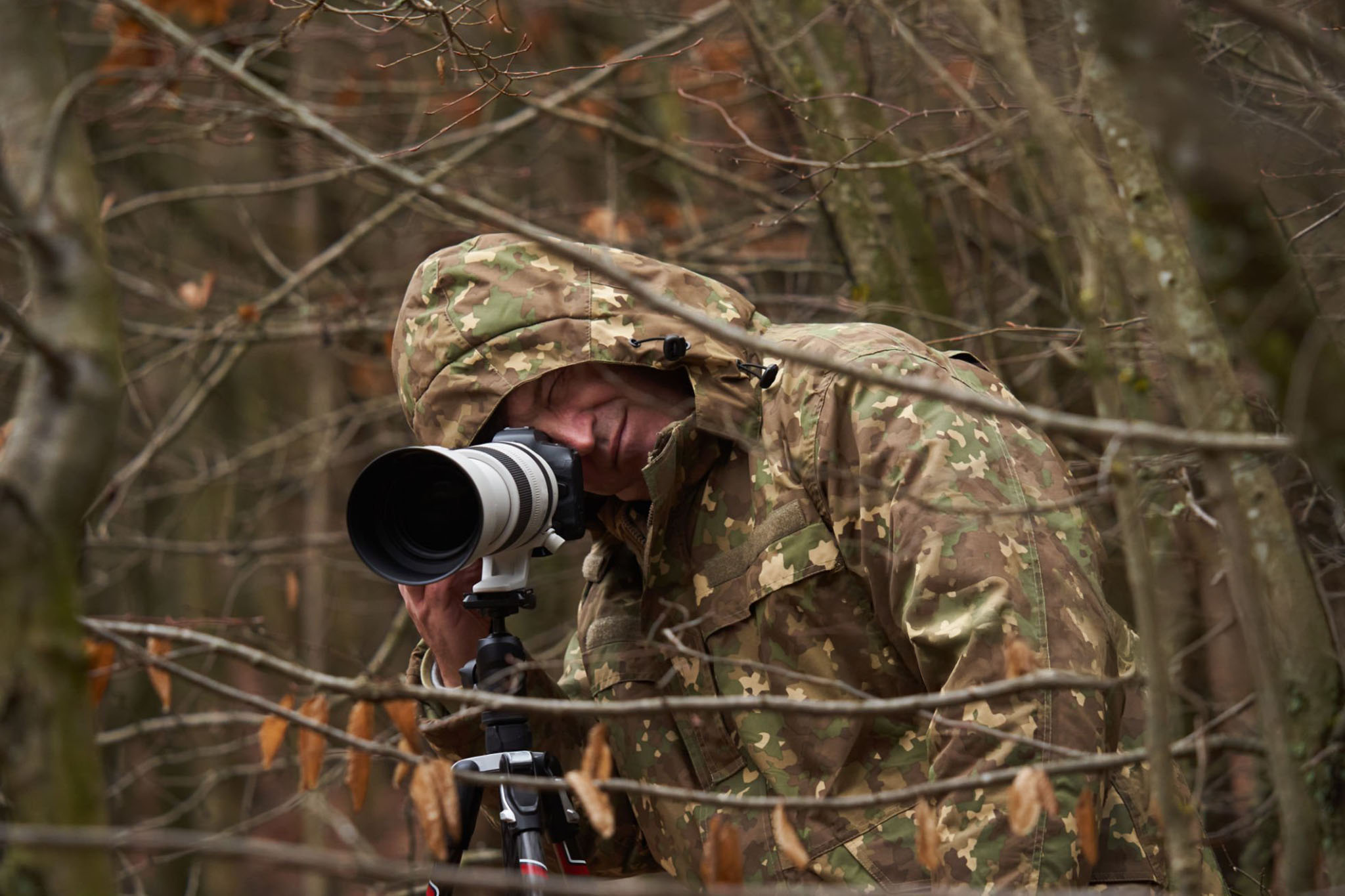
For whitetail hunters, late spring is one of the most valuable times of the year for gathering information about deer activity. While the hunting season may still be months away, this period offers a unique opportunity to learn how deer use the landscape before summer patterns fully develop. One of the most effective tools for this type of scouting is the trail camera.
When placed in the right locations, trail cameras can reveal valuable details about deer movement, buck survival from the previous season, and emerging travel patterns. However, simply placing a camera randomly in the woods rarely produces the best results. Strategic placement is the key to collecting useful data.
Understanding the best locations for trail cameras during late spring can give hunters a clearer picture of the deer population on their property and help them begin planning for the upcoming season.
Why Late Spring Is Ideal for Trail Camera Scouting
Late spring provides conditions that make deer easier to monitor compared to other times of the year.
During this period:
- Vegetation has started growing but is not yet too thick.
- Deer have settled into predictable feeding and bedding routines.
- Hunting pressure from the previous season has long faded.
- Bucks have begun developing new antler growth.
These factors make late spring an excellent time to identify which bucks survived winter and where they are spending most of their time.
Trail cameras placed during this window can provide valuable insights into herd structure, buck age classes, and movement corridors.
Field Edges and Feeding Areas
One of the most reliable places to set trail cameras in late spring is along field edges and feeding areas.
As new vegetation begins growing, deer are naturally drawn to locations where food is plentiful. Agricultural fields, natural forage areas, and regenerating vegetation patches often become regular feeding destinations.
Placing trail cameras near these areas can capture deer activity during early morning and evening hours.
Good feeding-related camera locations include:
- Edges of crop fields
- Newly planted agricultural areas
- Natural clearings with fresh green growth
- Clover or forage patches
Deer frequently approach these feeding areas from the same entry points, which makes them ideal spots for camera placement.
Travel Corridors Between Bedding and Food
Another excellent location for trail cameras is along travel corridors that deer use to move between bedding areas and feeding zones.
Whitetails often follow the same paths repeatedly, especially when traveling through thick cover. These trails may not always be obvious at first glance, but careful scouting can reveal subtle signs of consistent deer movement.
Look for trails that show:
- Flattened vegetation
- Disturbed soil
- Tracks or droppings
- Narrow paths through thick brush
Placing cameras along these travel routes increases the chances of capturing images of both does and mature bucks as they move across the landscape.
Natural Terrain Funnels
Terrain plays a major role in directing deer movement. Certain landscape features naturally guide animals into predictable paths, creating what hunters often refer to as funnels.
Funnels force deer to travel through narrower areas, which makes them excellent locations for trail cameras.
Common terrain funnels include:
- Narrow strips of timber between fields
- Gaps between ponds or wetlands
- Saddles between hills or ridges
- Fence crossings
- Creek crossings
Because deer tend to use these features regularly, cameras placed in these locations often capture consistent activity throughout the season.
Water Sources
As temperatures begin rising in late spring, water becomes an increasingly important resource for deer.
Creeks, ponds, springs, and small water holes attract deer throughout the day, especially during warmer afternoons. Cameras placed near these water sources can reveal patterns that might otherwise go unnoticed.
Water-related camera locations may include:
- Pond edges
- Small stream crossings
- Natural springs
- Water holes within thick cover
These areas can be particularly productive during warm weather when deer seek water more frequently.
Bedding Area Edges
While placing cameras directly inside bedding areas can risk disturbing deer, the edges of bedding zones can be highly productive locations.
Mature bucks often travel along the outer boundaries of bedding cover before moving toward feeding areas. Cameras placed along these edges can capture images of deer leaving or returning to their resting areas.
Common bedding edge locations include:
- Thick brush transitioning into open woods
- Young timber stands
- Overgrown clear-cuts
- Dense vegetation along ridges
Careful placement is important in these areas to avoid creating unnecessary pressure that might push deer away.
Mineral Sites and Natural Licks
In many regions, deer actively seek minerals during late spring and early summer to support antler development and overall health.
Natural mineral deposits or established mineral sites can attract deer repeatedly over several weeks. These locations often provide excellent opportunities to capture clear images of bucks as their antlers begin growing.
Mineral sites also allow hunters to observe:
- Herd size
- Buck age structure
- Early antler growth
While regulations regarding mineral sites vary by state, natural mineral areas can still serve as productive camera locations.
Avoiding Common Trail Camera Mistakes
Even well-chosen camera locations can produce poor results if certain mistakes are made.
Some common errors include:
Mounting cameras too high or too low
Improper height can lead to missed triggers or poor image angles.
Facing cameras directly toward the sun
Sun glare can cause overexposed images or false triggers.
Placing cameras in overly dense vegetation
Moving leaves or branches may trigger thousands of empty photos.
Checking cameras too frequently
Excessive human scent and disturbance can alter deer behavior.
Minimizing disturbance helps ensure deer continue using the areas naturally.
How Late Spring Data Helps Fall Hunting
The information gathered from trail cameras in late spring can become extremely valuable later in the year.
While deer movement patterns will evolve during summer and fall, many core features of the landscape remain consistent. Travel corridors, bedding areas, and feeding zones identified in spring often continue influencing deer movement during hunting season.
Photos collected during this time may help hunters:
- Identify mature bucks on the property
- Track antler development throughout summer
- Understand deer travel routes
- Determine potential stand locations
The earlier this information is collected, the more time hunters have to refine their strategies.
Final Thoughts
Late spring is one of the most effective times of year to begin gathering information about deer activity, and trail cameras are one of the best tools for the job.
By placing cameras along field edges, travel corridors, terrain funnels, water sources, and bedding area edges, hunters can capture valuable insights into how deer move across their property.
Strategic camera placement not only improves scouting success but also builds a foundation for smarter hunting decisions when the season finally arrives.
The more a hunter understands about deer behavior months before opening day, the better prepared they will be when the opportunity for a mature buck finally appears.
